
Blooming
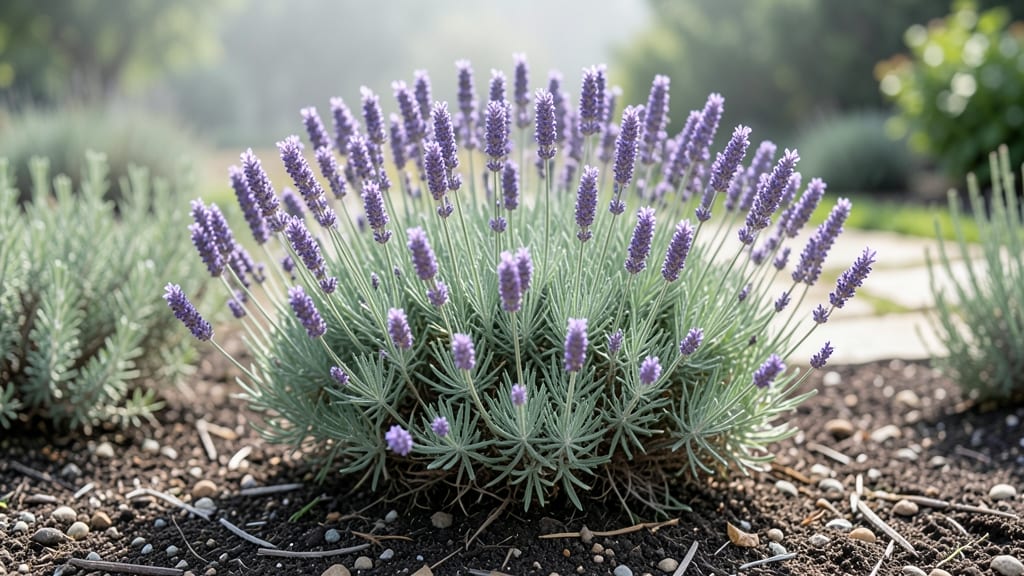
Lavender blooms in Michigan arrive like clockwork—mid-June through August—when the air smells like summer and your garden finally earns its "fragrant oasis" reputation. 🌿 I’ve watched mine burst into purple spikes every year, and the timing depends more on your microclimate than the calendar.
Northern Michigan’s cooler zones (5-6) may see blooms push back to early July, while southern areas (6-7) can enjoy flowers as early as late May in sheltered spots. The secret to extending that bloom window?
Prune back spent stems in early spring and choose varieties like ‘Munstead’ or ‘Hidcote’, which handle Michigan’s humidity better than fussy Mediterranean types. These hardy types also bounce back from our occasional late frosts—just wait until after the last frost date (usually mid-May) to trim.
You’ll get 6-8 weeks of peak fragrance if you deadhead regularly, and the bees will thank you with endless pollination. The flowers dry beautifully too, so bundle some for sachets before they fade.
For Michigan gardeners, local nurseries like Michigan Bulb or Wayne County MSU Extension offer cultivars bred for our climate. Start with a sunny, well-drained spot—lavender’s not fussy, just patient.
📚 In This Guide
- What you need
- Instructions
- Tips and common mistakes
- Wrapping up and next steps
What you need
- ● Lavender plants: Choose Lavandula angustifolia (English lavender) or Lavandula x intermedia (hybrid lavender)—both thrive in Michigan’s climate. Buy 3–5 mature plants (1–2 feet tall) for a fuller display or 10+ seedlings if starting from scratch.
- ● Well-draining soil: Lavender hates soggy roots! Mix 50% native soil with 50% coarse sand or perlite (1–2 bags, ~40 lbs each) to improve drainage.
- ● Sunlight access: Ensure a full-sun location (6+ hours of direct sunlight daily). South- or west-facing spots are ideal.
- ● Garden tools: Trowel or small shovel
- ● Garden gloves (to protect from prickly stems)
- ● Pruners (sterilized to prevent disease)
- ● Measuring tape or ruler (for spacing plants 18–24 inches apart)
- ● Mulch: Use gravel or pebbles (1–2 bags, ~50 lbs) to suppress weeds and retain heat—lavender loves it!
- ● Slow-release fertilizer: A balanced 10-10-10 fertilizer (1–2 lbs) applied once in early spring promotes healthy growth.
- ● Drip irrigation or soaker hose: Lavender prefers infrequent watering (1–2 inches per week). A drip system (or a 5-gallon watering can) makes this easy!
- ● Windbreaks: If your garden is exposed, use bamboo stakes or small trellises to protect delicate stems.
- ● Harvesting tools: Sharp scissors or pruning shears for cutting blooms (leave 1/3 of the stem for regrowth).
When does lavender bloom in Michigan: seasonal timeline and care
Michigan's short growing season means timing matters—here's exactly when lavender blooms and how to coax peak fragrance from your plants.
🌱 Step 1: Understand Michigan's Lavender Bloom Window
In Michigan's climate zones, lavender typically blooms between mid-June and early August, with peak fragrance occurring in late July. English lavender varieties often bloom slightly earlier than French or Spanish types, so choose your cultivar based on your desired bloom time. The first flush of buds appears when daytime temperatures consistently reach 60-65°F and nights stay above 50°F—usually around Memorial Day weekend.
Watch for the first flower buds to form at the tips of stems. These tiny green buds will swell and turn purple as they mature. In Michigan's cooler summers, you might see a second, smaller bloom cycle in late August to September, though this is less reliable. The key to extending your bloom window is selecting hardy varieties like 'Munstead' or 'Hidcote', which handle Michigan's humidity better than Mediterranean natives.
☀️ Step 2: Provide Optimal Conditions for Michigan Blooms
Lavender needs full sun (6-8 hours daily) to set buds, but Michigan's intense summer sun can scorch plants. I plant mine in morning sun with afternoon shade—either under a deciduous tree or on the north side of a building. The soil should drain so quickly that it feels almost dry between waterings; Michigan's clay-heavy soils need amending with 50% sand or gravel for proper drainage.
Here's the thing—lavender in Michigan needs drought stress to bloom well. Water deeply once every 7-10 days during establishment, then let the soil dry completely between waterings once mature. Overwatering in Michigan's humid summers leads to fungal diseases that kill plants before they bloom. You'll know you're doing it right when the stems feel dry at the base when you touch them.
✂️ Step 3: Prune Strategically for Next Year's Blooms
After the first frost (typically mid-October in Michigan), cut back stems to just above the woody base—this prevents winter dieback and encourages stronger blooms next season. I always prune after flowering because lavender sets next year's buds during the current season's growth. Never prune into old wood; you'll see this as brown, woody stems that won't regrow.
In Michigan's harsh winters, mulch lavender plants with 3-4 inches of straw or pine needles to protect roots from freeze-thaw cycles. Remove mulch in early spring before new growth appears. The first flush of spring growth should appear by late April to early May—this is your signal that the plant survived winter and will bloom again. If you see no new growth by Memorial Day, the plant likely died and should be replaced.
🌿 Step 4: Extend Bloom Time with Michigan-Specific Care
To push blooms later into August, fertilize lightly in early June with ½-strength balanced fertilizer (10-10-10). Michigan's poor soil means lavender often needs this boost to produce abundant flowers. I avoid high-nitrogen fertilizers—they produce leafy growth at the expense of blooms. After fertilizing, water deeply to help roots absorb nutrients before Michigan's summer drought sets in.
Deadhead spent blooms by cutting stems back to the first set of healthy leaves. This encourages new flower production and prevents seed formation, which diverts energy from blooming. In Michigan's climate, lavender often produces a second, smaller bloom cycle in late August if given proper care. Watch for new buds forming at the stem tips—these will bloom even if the first flush is already fading.
Tips & tricks for Michigan lavender blooms
Michigan's lavender thrives when you work with its quirks—not against them. Here's what I've learned after years of growing lavender in the Great Lakes climate.
Variety Selection: Michigan's humidity means not all lavender varieties perform equally. For the most reliable blooms, choose 'Munstead' or 'Hidcote'—these English varieties handle Michigan's climate better than Mediterranean natives. I've found French lavender ('Grosso') also does well in southern Michigan but struggles in the northern regions where summers are cooler and more humid. The key is selecting varieties bred for cooler climates with better disease resistance.
Sunlight Strategy: While lavender needs 6-8 hours of daily sun, Michigan's intense afternoon sun can scorch leaves. I've had the most success with morning sun exposure (6-8 AM) followed by afternoon shade—either under deciduous trees or on the north side of buildings. This balance prevents leaf burn while still providing the light intensity needed for bud formation. If you must plant in full sun, ensure the soil is amended with 50% sand or gravel to improve drainage and reduce heat stress.
Watering Wisdom: The 7-10 day watering schedule during establishment might seem counterintuitive, but it's crucial for Michigan lavender. Overwatering in our humid summers leads to root rot and fungal diseases that can kill plants before they bloom. I test soil moisture by feeling the stems—when they feel dry at the base, that's your watering cue. Once established, lavender becomes remarkably drought-tolerant, which is why Michigan's climate actually works in its favor after the initial adjustment period.
Frost Timing: Michigan's first frost typically arrives in mid-October, and that's when you should prune lavender. The key is cutting back to just above the woody base—this prevents winter dieback and encourages stronger blooms next season. I've learned the hard way that pruning too late (after frost) can damage new growth trying to form. For northern Michigan gardens, consider adding 3-4 inches of straw mulch in late fall to protect roots from freeze-thaw cycles that can be more damaging than the cold itself.
Pro Tips for When Does Lavender Bloom In Michigan
- Michigan's lavender thrives when you work with its quirks—not against them.
- Variety Selection: Michigan's humidity means not all lavender varieties perform equally.
- Sunlight Strategy: While lavender needs 6-8 hours of daily sun, Michigan's intense afternoon sun can scorch leaves.
Frequently asked questions
Got questions about lavender blooms in Michigan? You’re not alone! Here are some of the most common queries—plus expert answers to help you plan your garden.
When is the best time to plant lavender in Michigan for summer blooms?
For peak blooms in Michigan, plant lavender in early spring (April–May) or early fall (September–October). This gives roots time to establish before winter or summer heat. Avoid planting in late spring or summer—lavender hates soggy soil and struggles with transplant shock.
Why isn’t my Michigan lavender blooming this year?
Lavender skips blooms for a few common reasons: overwatering (it prefers drought), poor drainage, or too much fertilizer (which encourages leafy growth over flowers). Also, young plants (under 2 years old) may not bloom yet. Try pruning spent blooms in early summer to encourage new growth.
Can Michigan’s hot summers damage lavender flowers?
Lavender thrives in Michigan’s hot, dry summers—it’s native to Mediterranean climates! However, prolonged heatwaves over 90°F (32°C) can stress plants. Mulch with gravel (not organic mulch) to retain heat and reduce moisture. Water deeply but infrequently (once a week in dry spells) to prevent root rot.
What’s the latest I can harvest lavender in Michigan before it’s too late?
Harvest lavender when 50–70% of buds are open (usually July–early August in Michigan). Avoid harvesting after mid-August—late blooms won’t regrow well before frost. Cut stems in the morning after dew dries, and bundle them upside-down to dry in a dark, airy space.
Are there Michigan-friendly lavender varieties that bloom later in the season?
Yes! While most lavender blooms June–August, try these Michigan-hardy varieties for extended color:
- ‘Grosso’ (English lavender): Reliable blooms July–September.
- ‘Hidcote’: Compact and late-blooming (July–October).
- Spanish lavender (L. stoechas): Blooms July–September, loves heat.
Wrapping up and next steps
Now that you know lavender blooms in Michigan from mid-June through August, you’re ready to embrace the season’s sweetest fragrance! Whether you’re planning a garden, a DIY project, or simply admiring nature’s beauty, timing is everything. 🌿
Ready to dive in? Start by marking your calendar for peak bloom season—then grab your gardening gloves and enjoy the journey! Happy blooming! 🌸