
Blooming
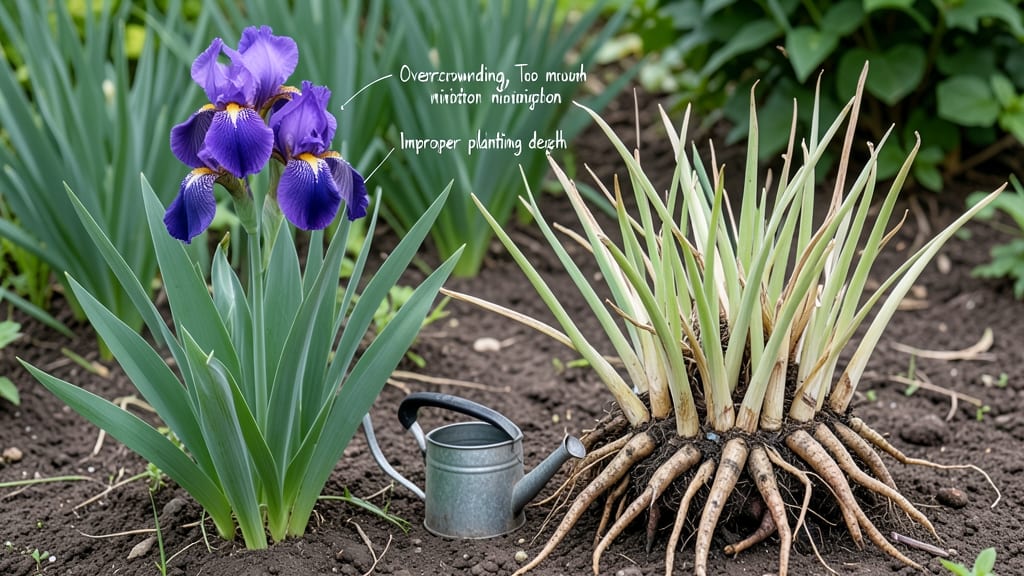
Why didn’t my irises bloom this year? Your irises are hiding their blooms for one of these five reasons—and the fix is simpler than you think. 🌿 I’ve seen this happen more than I’d like to admit, and the good news is that next year’s showstopping display is just a few adjustments away. The most common culprits? Too much shade, overcrowded roots, or skipping the dormancy period. Irises need full sun (6+ hours daily) and room to breathe—when they’re packed in, they focus on leaves instead of flowers. Even nutrient-rich soil won’t help if they’re not getting what they truly need: sunlight, space, and a little winter rest. Here’s the game-changer: after blooming, let the foliage yellow naturally before cutting it back. Those leaves feed the rhizomes for next year’s flowers. A quick soil test can reveal if phosphorus or potassium is missing—both are key for blooms. For immediate results, divide clumps in early fall when foliage turns brown. Each rhizome should have 3-5 fans of leaves and a 1-inch-thick section. Plant them 12 inches apart in well-draining soil, and you’ll see blooms return within 2-3 years—sometimes sooner.
The Real Culprits Behind Missing Blooms
If your irises are looking more like a lush green lawn than a vibrant spring display, don’t panic—there are specific, fixable reasons why they might be skipping their usual floral show. Irises thrive on routine, and even small disruptions can send them into a blooming slumber.
Let’s break down the most common culprits, explained in clear, actionable science so you can diagnose the issue and get those flowers back on track.
Irises are sun worshippers—they demand at least 6 to 8 hours of direct sunlight daily to trigger blooming. When they don’t get enough light, their energy goes into leaf growth instead of flower production.
Why it happens:
- Partial shade (e.g., under trees or near buildings) weakens the rhizomes’ ability to photosynthesize efficiently.
- New plantings in shaded spots may take years to adjust, if ever.
- Overcrowding from dense foliage blocks sunlight from reaching the center of clumps.
How to fix it:
- 🔍 Audit your iris bed: Walk through it at midday—if shadows linger past noon, relocate or thin out plants.
- ✂️ Prune aggressively: Remove old, yellowing leaves and trim back overgrown clumps to improve airflow and light penetration.
- 📏 Space them out: Irises need 12–24 inches between rhizomes; dig up and redistribute crowded clusters to sun-drenched areas.
Irises are drought-tolerant and hate soggy feet. Too much water—or worse, waterlogged soil—stresses rhizomes, diverting energy away from blooms and toward survival.
Why it happens:
- Heavy clay soil retains moisture, suffocating roots and promoting fungal diseases like rhizoctonia.
- Frequent watering (e.g., daily or after every rain) keeps rhizomes too wet, leading to rot.
- Low-lying areas where water pools after storms.
How to fix it:
- 🏗️ Amend the soil: Mix in coarse sand, perlite, or gritty compost to improve drainage. Aim for soil that drains within 24 hours of watering.
- 🚰 Water deeply but infrequently: Soak the soil once a week (or less in dry climates) and let it dry out completely between waterings.
- 🌿 Raise the bed: If your garden floods, mound soil or create a slight slope to encourage runoff.
Irises are hardy, but unusual temperature swings—whether scorching heat, late frosts, or sudden cold snaps—can disrupt their blooming cycle. These plants need a proper dormancy period to recharge for next year’s flowers.
Why it happens:
- Late spring frosts (below 28°F/-2°C) can damage emerging flower buds before they open.
- Heatwaves before blooming (temperatures above 90°F/32°C) stress rhizomes, causing them to bolt (send up leaves but no flowers).
- Winter dieback from harsh freezes or thaw-freeze cycles weakens the plant’s energy reserves.
How to fix it:
- 🌡️ Protect from late frosts: Cover plants with frost cloth when nighttime temps drop below 32°F/0°C.
- 🌞 Shade during heatwaves: Use light shade cloth (30–50%) to reduce stress if blooms appear wilted in extreme heat.
- 🌱 Choose cold-hardy varieties: Siberian irises (Iris sibirica) and Iris ensata tolerate colder climates better than bearded irises.
Irises need specific nutrients to bloom, and too much (or too little) of the wrong kind can stall flower production. Over-fertilizing with high-nitrogen feeds, for example, promotes leafy growth at the expense of blooms.
Why it happens:
- Excess nitrogen (from lawn fertilizer or manure) makes irises grow tall and leafy but flowerless.
- Phosphorus deficiency (critical for root and bloom development) leads to weak, sparse flowers.
- Old, depleted soil lacks micronutrients like magnesium or boron, which irises need for flower initiation.
How to fix it:
Problem
Solution
Too much nitrogen
Switch to a low-nitrogen, high-phosphorus fertilizer (e.g., 5-10-10 or 3-4-6 ratio). Apply in early spring before new growth starts.
Phosphorus deficiency
Feed with bone meal or rock phosphate in late winter to encourage root and bloom development.
Micronutrient deficiency
Use an Epsom salt solution (1 tbsp per gallon of water) every 4–6 weeks to boost magnesium, or apply boron-rich compost.
Pro tip: 💡 Test your soil with a home kit (or send a sample to a lab) to pinpoint exact deficiencies before fertilizing.
Irises are perennials with a lifespan, and after 3–5 years, their rhizomes can become overcrowded, depleted, or senescent, leading to fewer—or no—blooms. Even healthy plants slow down as they age.
Why it happens:
- Rhizome exhaustion: Older rhizomes deplete their energy reserves and may produce only 1–2 small flowers (or none) before dying back.
- Fan formation: When rhizomes divide into too many small offsets, they compete for nutrients, leaving little energy for blooms.
- Lack of division: Irises need regular thinning every 3–4 years to rejuvenate.
How to fix it:
- ✂️ Divide and conquer: Dig up clumps in late summer or early fall, separate the rhizomes, and replant the healthiest, firm ones (discard soft, mushy, or disease-ridden pieces).
- 📏 Space like a pro: Plant rhizomes 1/3 above soil level with 12–24 inches between
Revive Your Irises Now
Now that you’ve identified why your irises skipped blooming this year, it’s time to take action! The good news? Most fixes are simple, and with a little TLC, your irises can bounce back stronger next season.
Below, we’ve mapped out practical solutions for each common cause—plus prevention tips to keep your garden thriving.
If your irises are tucked away in too-shady spots, they’ll struggle to bloom. Here’s how to fix it:
✂️ Step-by-Step Fix:
- 🔍 Assess sunlight: Check if your irises get at least 6 hours of direct sun daily. If not, they’re likely starved for light.
- 🌿 Relocate (if needed): Dig up clumps and transplant them to a sunnier, well-draining spot (more on soil later!).
- 🌳 Trim obstructive plants: Prune overgrown shrubs, trees, or weeds blocking sunlight.
💡 Prevention Tip:
- Plant irises in full sun from the start—this is non-negotiable for blooms!
- Avoid deep shade (like under dense evergreens). Even partial shade can reduce flowering.
Irises hate soggy roots—this is a top reason they skip blooming. Here’s how to drain the drama:
🚰 Step-by-Step Fix:
- 🌧️ Check soil moisture: Stick your finger 2 inches deep—if it’s damp, you’re overwatering.
- 🏗️ Improve drainage:
- Raise beds slightly (add gravel or sand at the bottom).
- Avoid heavy clay soil—amend with compost or perlite.
- 💧 Water wisely: Irises need moderate water (1 inch per week). Water at the base, not the leaves, to prevent rot.
💡 Prevention Tip:
- Plant in spring or fall when soil is naturally drier, reducing waterlogging risks.
- Mulch lightly (1–2 inches of organic mulch) to retain moisture without suffocating roots.
Old, congested rhizomes (those thick, fleshy roots) steal energy from blooms. Here’s how to refresh them:
✂️ Step-by-Step Fix:
- 🗓️ Time it right: Divide irises after blooming (late summer/early fall) or early spring (before new growth).
- 🔪 Dig carefully: Use a fork to lift clumps. Gently separate rhizomes, keeping healthy fans (leaf clusters) attached.
- 🌱 Replant properly:
- Top 1/3 of rhizome should be above soil (sun exposure prevents rot).
- Space clumps 12–24 inches apart for airflow.
- 🌿 Discard the old: Toss any soft, mushy, or pest-damaged rhizomes.
💡 Prevention Tip:
- Divide every 3–5 years to prevent overcrowding.
- Label new plantings to track growth and blooming cycles.
Slugs, iris borers, or fungal issues can stunt blooms or kill plants entirely. Act fast:
🐌 Step-by-Step Fix:
- 🔍 Spot the problem:
- Holes in leaves? → Iris borers (cutworms).
- Yellowing leaves? → Fungal disease (like leaf spot).
- Silvery slime trails? → Slugs/snails.
- 🛡️ Treat accordingly:
- For borers: Handpick larvae or apply Bt (Bacillus thuringiensis) spray.
- For fungus: Remove infected leaves and spray with neem oil or copper fungicide.
- For slugs: Set up beer traps or use iron phosphate bait.
- 🌿 Boost immunity: Fertilize with low-nitrogen, high-phosphorus (like 5-10-10) to encourage strong roots.
💡 Prevention Tip:
- Mulch with gravel (not organic matter) to deter slugs.
- Rotate plants every few years to prevent soil-borne diseases.
Irises need specific nutrients—too much nitrogen = lush leaves, zero blooms. Here’s how to fix it:
🍽️ Step-by-Step Fix:
- 📊 Test your soil: A simple DIY test kit (or lab test) tells you if your soil lacks phosphorus/potassium.
- 🌿 Feed right:
- Spring (after blooming): Use a balanced fertilizer (10-10-10) or bone meal (for phosphorus).
- Fall (pre-winter): Add potassium-rich fertilizer (like greensand) to strengthen roots.
- 🚫 Avoid overdoing it: Irises are low-maintenance—too much fertilizer burns rhizomes!
💡 Prevention Tip:
- Skip high-nitrogen fertilizers (like lawn food). They promote leaves, not flowers.
- Compost lightly (1–2 inches) in spring to improve soil without overfeeding.
If you planted at the wrong time or missed key care steps, blooms may be delayed:
⏰ Step-by-Step Fix:
- 📅 Check planting time:
- Spring-bloomers (like Dutch irises) need fall planting.
- Summer-bloomers (like bearded irises) thrive with spring/fall planting.
- 🌱 Give them time: Irises take 2–3 years to establish and bloom. If newly planted, patience is key!
- 🌿 Encourage blooms:
- Deadhead spent blooms (but leave seed pods if you want more plants).
- Avoid heavy pruning—cut back leaves only after they turn brown (they feed next year’s blooms!).
💡 Prevention Tip:
- Plant in the correct season for your climate (check local guidelines).
- Mark planting dates in a garden journal to track progress.
🎉 Pro Tip: Combine fixes! For example, divide crowded rhizomes → improve drainage → fertilize for a triple boost next season.
With these solutions, your irises should rebound beautifully—and next year, you’ll be the envy of the neighborhood with bold, vibrant blooms! 🌈💐
Frequently asked questions
My irises had plenty of leaves but no flowers—what could be wrong?
This is classic over-fertilization with nitrogen! Too much leafy growth at the expense of blooms usually means you're feeding them wrong. Irises need low-nitrogen, high-phosphorus fertilizer (like 5-10-10 ratio) in early spring. Their leaves actually store energy for next year's blooms—never cut them back until they turn completely brown.
I moved my irises to a sunnier spot last year, but they still didn't bloom. What am I missing?
Sunlight alone isn't enough—you may need to divide the rhizomes. Overcrowded irises (3+ years old) compete for nutrients, so dig up clumps in late summer, separate the healthy sections (keep 3-5 leaf fans per rhizome), and replant them 12-24 inches apart in well-draining soil. This gives them room to bloom properly next season.
My irises bloomed last year but nothing this spring—is this normal?
Not necessarily! Irises typically bloom every year, but stress factors like extreme heatwaves, late frosts, or improper dormancy can disrupt the cycle. Make sure they get 6+ hours of sun and a dry summer dormancy period—water only when the soil is completely dry. If they're established plants, check for pests or disease that might be sapping their energy.
Can I force my irises to bloom earlier than their usual time?
Unfortunately, no—irises bloom based on their natural cold requirement and daylight hours. However, you can encourage more blooms next season by: fertilizing with bone meal in late winter, ensuring they're in full sun, and not cutting back leaves until they yellow. Some varieties like Siberian irises bloom later in the season naturally.
What's the fastest way to get blooms back next year?
Combine these three steps for maximum impact:
- Divide and replant healthy rhizomes in well-draining soil
- Apply phosphorus-rich fertilizer (like bone meal) in early spring
- Ensure full sun exposure (6+ hours daily) With these changes, you should see noticeable blooms within 1-2 years. The key is giving them the right conditions now so they can store energy properly.