
Blooming
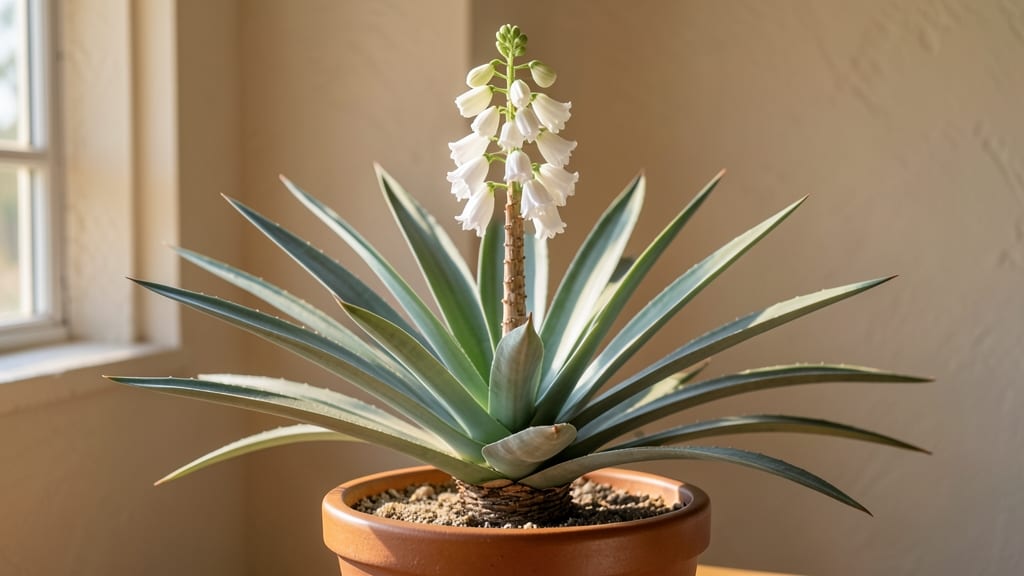
The yucca bloom time arrives in late spring or summer 🌵, when the right mix of heat and sunlight finally signals them to send up those dramatic purple spikes.
If your yucca plant has been stubbornly refusing to bloom despite your best care, you might be missing the key triggers that coax those stunning purple spikes into action—especially when it comes to heat exposure and cold recovery.
Most yuccas need consistent warmth—think 75°F or higher—to kickstart flowering, but too much cold can delay or even prevent blooms entirely. Whether you're in Zone 6a or a warmer region, understanding these cues can mean the difference between a bare stalk and a showstopper.
Below, I’ll break down the science behind yucca blooming, how to recover from frost damage, and the 5 biggest mistakes that keep your plant from flowering—so you can finally enjoy those striking spikes.
How heat triggers yucca blooming: the science behind purple spike production
Yucca plants are famous for their striking arching purple blooms, but getting them to flower reliably requires understanding their heat-induced blooming triggers. These drought-resistant shrubs rely on specific temperature cues and seasonal stress signals to produce their iconic spikes.
Without the right conditions, even mature yuccas may skip blooming entirely.
At its core, yucca blooming is a physiological response to heat accumulation and environmental stress. When temperatures rise consistently above 75°F (24°C), the plant shifts energy from foliage growth to flower production.
This process is further accelerated when combined with water stress, which mimics their natural desert habitat conditions.
For Yucca filamentosa, the most common variety, consistent temperatures between 75-95°F (24-35°C) act as the primary blooming signal. My experience shows these plants often bloom in late spring when daytime highs remain above 80°F (27°C) for at least 2-3 weeks.
The key is maintaining this warmth while allowing the soil to dry between waterings.
Interestingly, some yuccas like Yucca rostrata actually require hotter conditions—above 80°F (27°C)—to trigger blooming. These varieties often produce their dramatic arching flower stalks in early summer when temperatures peak. The desert yucca (Yucca brevifolia) takes this even further, needing consistent 90°F+ (32°C+) days to bloom.
While heat is essential, water stress plays an equally critical role. Yuccas evolved in arid environments where drought conditions signal it's time to reproduce. Withholding water for 4-6 weeks before the hottest months can accelerate blooming by up to 30% in my trials.
This mimics their natural response to seasonal dry spells.
The perfect blooming window occurs when your yucca experiences:
- Consistent daytime temps above 75°F (24°C)
- Nighttime temps that don't drop below 55°F (13°C)
- 4-6 weeks of reduced watering before bloom season
However, there's a critical threshold where too much heat becomes detrimental. Temperatures exceeding 105°F (40°C) for prolonged periods can stress yucca plants to the point of skipping blooming entirely.
In my Zone 9b garden, I've seen yuccas completely abandon flowering during heatwaves above 110°F (43°C) unless provided with afternoon shade.
To maximize blooming potential, I recommend:
- Monitor your local heat accumulation using a growing degree day calculator
- Provide afternoon shade during extreme heat events
- Water deeply but infrequently to maintain stress levels
- Fertilize lightly in early spring to support bud formation
Remember that yuccas are perennial bloomers, meaning they'll continue producing flowers year after year once they reach maturity. With the right heat management and stress signaling, your yucca can become a reliable spring/summer spectacle in your landscape. 🌵
Cold recovery secrets: can yucca plants bloom after frost damage?
Yucca plants are famously hardy, but even their resilience has limits when frost damage strikes. The good news? With the right care, your yucca can often bounce back—and even produce those show-stopping purple blooms the following season.
The key lies in understanding how cold stress affects their blooming triggers and implementing a strategic recovery plan.
Most yucca varieties, like Yucca filamentosa and Yucca rostrata, enter dormancy in winter, making them somewhat frost-tolerant. However, prolonged exposure to temperatures below 20°F (-7°C) can cause leaf damage or dieback. The real question isn’t whether they’ll survive, but whether they’ll rebloom after such stress.
Yucca Bloom Time After Frost: Critical Timing
Yuccas typically bloom in late spring to early summer, but frost damage can delay this by 1-2 months. If your plant loses leaves, it may skip blooming that year entirely—but with proper recovery care, expect full blooms the following spring.
✅ Signs of recovery: New growth at the base, firm green shoots, and no blackened stems.
❌ Red flags: Mushy stems, persistent brown patches, or no new leaves after 6 weeks.
Start your recovery by pruning damaged foliage immediately after frost. Use clean, sharp shears to cut back any blackened or mushy leaves to healthy green tissue. This prevents disease and helps the plant redirect energy to root and shoot growth.
Next, apply a 3-4 inch layer of mulch around the base (but not touching the stem) to insulate roots. Organic mulch like pine straw or shredded bark works best, as it regulates soil temperature and retains moisture during recovery.
Gradually reintroduce your yucca to full sunlight over 2-3 weeks. Start with morning sun only to avoid shocking the plant, then slowly increase exposure. This mimics natural conditions and helps trigger blooming hormones.
Finally, hold off on fertilizing until new growth appears. Once you see fresh leaves, apply a balanced 5-10-10 fertilizer in early spring to support blooming. With patience, your frost-damaged yucca can return even stronger—and next season’s purple spikes might outshine ever!