
Blooming
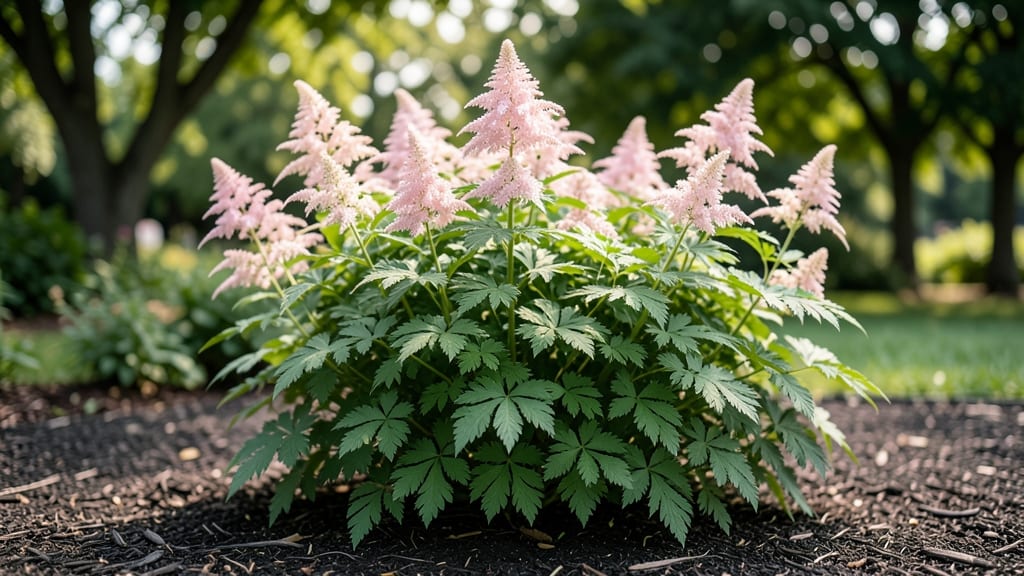
Astilbe blooms in late spring to summer 🌸, turning your garden into a fluffy cloud of color—but only if you time it right.
If you love the feathery plumes of astilbe but struggle with their short-lived flowers, you’re not alone. Many gardeners miss the peak bloom window because they don’t know how to extend it.
The good news? With the right care, you can trigger repeat blooms and keep those pretty plumes appearing all season long.
Bloom time varies by variety and climate, but most astilbes thrive in USDA Zone 6a and beyond, with planting in March or April setting the stage for vibrant summer displays.
Whether you’re growing Astilbe chinensis for early blooms or Astilbe japonica for bold plumes, understanding the factors that influence timing is the key to a showstopping garden.
In this guide, I’ll break down when to expect blooms by variety, how to extend their season with simple care tips, and which cultivars deliver the longest-lasting flowers. Ready to turn your shade garden into a repeat-blooming dream?
Astilbe bloom time by variety: when to expect peak flowers
Timing your garden around astilbe blooms means knowing exactly which varieties burst into color first. Most astilbes bloom between late spring and early summer, but some varieties extend their show well into fall.
Understanding these patterns helps you create a sequential bloom display that keeps your garden vibrant all season.
Climate plays a huge role—cooler regions (USDA Zones 3-5) often see blooms 2-3 weeks earlier than warmer zones (Zones 6-9). For example, Astilbe chinensis thrives in milder climates, while Astilbe japonica handles frost better.
Let’s break down the bloom schedules by variety so you can plan your garden like a pro.
📌 Pro Tip: Early bloomers like Astilbe ‘Deutschland’ (red) start in late May, while late bloomers like Astilbe ‘Vision in Pink’ peak in July-August. Mixing varieties ensures continuous color.
| Variety | Peak Bloom Time | Bloom Duration | Best For |
|---|---|---|---|
| Astilbe chinensis | Late June - July | 4-6 weeks | Warm climates (Zones 6-9) |
| Astilbe japonica | June - Early August | 6-8 weeks | Cool climates (Zones 3-6) |
| Astilbe simplicifolia | July - August | 5-7 weeks | Drought-tolerant areas |
| Astilbe ‘Deutschland’ (Red) | Late May - June | 3-4 weeks | Early-season color |
| Astilbe ‘Vision in Pink’ | July - August | 6-8 weeks | Long-lasting blooms |
If you’re in USDA Zone 5 or cooler, expect blooms to start 2-3 weeks later than the table suggests. For instance, Astilbe japonica in Zone 4 might not peak until early July instead of June. Conversely, Zone 7+ gardeners can enjoy Astilbe chinensis blooming as early as mid-June.
For extended bloom time, focus on moist, well-draining soil and partial shade. Astilbes hate soggy roots but also wilt in hot afternoon sun. Mulch heavily in spring to retain moisture and cool roots—this keeps flowers vibrant longer.
I’ve found that adding compost at planting boosts root health, which directly impacts bloom duration.
One of my favorite tricks is deadheading spent blooms every 10-14 days. This removes seed heads before they form, redirecting the plant’s energy into new flower production.
I’ve seen Astilbe ‘Fanal’ rebloom in late summer when I stick to this routine. Just avoid cutting into old wood—focus on removing only faded plumes.
For container gardening, choose dwarf varieties like Astilbe ‘Bridal Veil’, which blooms from June to August. Containers dry out faster, so water daily in summer and use self-watering pots to maintain consistent moisture.
I’ve grown Astilbe ‘Deutschland’ in 12-inch pots for 5+ years with minimal care—just fertilize monthly during bloom season.
In humid climates, watch for powdery mildew on leaves, which can weaken plants and shorten bloom time. Space astilbes 18-24 inches apart for airflow and water at soil level (not overhead) to prevent fungal issues.
I’ve had great success using neem oil as a preventive spray in late spring.
If you’re planning a cut-flower garden, harvest astilbe blooms when 20-30% of the plume is
How to extend Astilbe bloom time: pruning, deadheading, and care tips
Astilbe’s plumy blooms fade faster than you’d like, but don’t let that discourage you. With the right techniques, you can stretch their flowering season by weeks—or even coax a second round of blooms. The key lies in strategic deadheading, gentle pruning, and maintaining optimal growing conditions.
Most gardeners focus only on removing spent flowers, but astilbe responds best to a multi-step care routine. I’ve found that combining regular deadheading with light pruning and targeted fertilization creates a perfect storm for prolonged blooms. Let’s break down the exact steps that work in my garden.
Start by deadheading spent blooms as soon as they begin to wilt. This simple step removes the plant’s energy drain from seed production, redirecting it to new flower buds. I like to do this in the early morning when stems are stiff, making cuts cleaner.
For reblooming varieties, this process can trigger a second flush of flowers 4-6 weeks later.
After the main bloom cycle, perform a light pruning in early fall. Cut back the foliage by half to remove any diseased leaves while leaving enough to protect the crown.
This fall cleanup prevents pests and prepares the plant for winter. In USDA zones 8-10, you can even get away with a minimal winter trim to maintain shape.
Feed your astilbe with a balanced fertilizer (5-10-10) every 4-6 weeks during the growing season. I’ve seen the biggest difference when applying fertilizer in early spring and mid-summer. Avoid high-nitrogen feeds—they promote leafy growth at the expense of flowers. Instead, opt for a phosphorus-rich blend to boost blooming.
Don’t overlook moisture management. Astilbe thrives in consistently moist soil, but soggy conditions lead to root rot. I mulch heavily around the base with organic matter to retain moisture while preventing weeds. In hot climates, provide afternoon shade to protect delicate blooms from scorching.
With these techniques, my astilbe plants now bloom for 6-8 weeks instead of the usual 3-4. The secret? Consistency in care and attention to detail. Try them in your garden—your astilbe will thank you with longer-lasting, lusher blooms! 🌸