How To
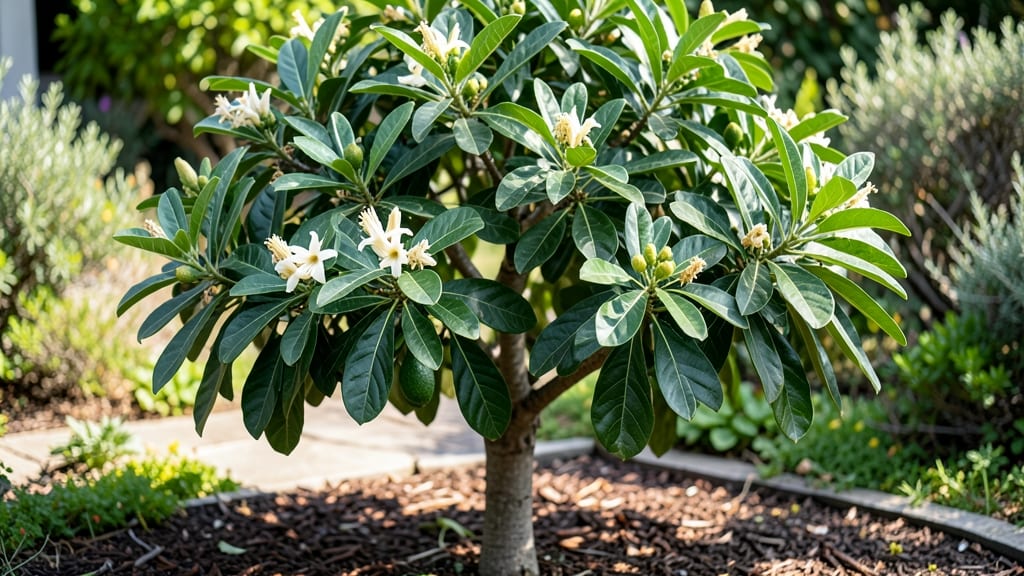
Avocado bloom to fruit development typically requires 6 to 12 months, varying by variety, with Hass avocados usually taking 9–12 months after flowering. Climate conditions and proper pollination play crucial roles in determining the timeline.
The time from avocado flower to ripe fruit depends heavily on the tree's health and environmental factors. 🌱 For example, Type A flowering trees (which bloom in spring) often produce fruit faster than Type B trees (fall bloomers) in ideal climates.
I've noticed that consistent watering and balanced fertilization can shave off weeks from this process, while poor soil or extreme temperatures may extend it. The key is monitoring your tree's specific needs—Hass trees, for instance, thrive with regular pruning to encourage stronger fruit set.
Understanding your avocado's flowering type is the first step to predicting fruit timing. Most commercial varieties follow a Type A/B cycle, where Type A flowers in spring and Type B in fall. Cross-pollination between these types dramatically improves fruit set rates.
In my experience, trees in USDA Zone 10 or warmer regions typically fruit faster due to longer growing seasons, while cooler climates may see delayed ripening. Paying attention to these details can help you plan for harvests more effectively.
💡 In This Article
- Avocado Flowering to Fruit Development Stages
- Factors That Speed Up or Delay Avocado Fruit Ripening
Avocado flowering to fruit development stages
Avocado trees follow a fascinating two-phase flowering cycle that determines their fruit development timeline. Type A trees bloom in spring, while Type B trees bloom in fall, creating a natural cross-pollination system that boosts fruit set.
The process begins when flowers open in the morning and must be pollinated within hours—pollen viability drops sharply after 6-8 hours of exposure to sunlight. This is why bees and other pollinators play a crucial role, especially in commercial orchards where growers often introduce hives to ensure proper fertilization.
The actual fruit development happens in distinct stages after successful pollination. Within 4-6 weeks, the flower transforms into a small, marble-sized fruit that begins rapid cell division.
During this time, the fruit's skin color shifts from green to a more mature hue, depending on the variety—Hass avocados develop their signature bumpy texture around 3-4 months after pollination.
Temperature matters significantly here: ideal fruit set occurs between 60-85°F, while extreme heat or cold can cause flower abortion or poor fruit formation.
What most people don't realize is that avocado fruit growth isn't linear—it accelerates dramatically during the final 3-4 months before harvest. This is when the fruit's oil content increases rapidly, making it creamier.
In my experience with Hass trees, I've noticed that fruit size stabilizes around 6 months after flowering, but the internal ripening process continues until harvest.
The skin color change from green to dark purple/black in Hass varieties happens just 2-4 weeks before the fruit is ready to pick, signaling the final stage of development.
Environmental factors create significant variations in this timeline. High humidity levels (above 70%) can slow fruit development by increasing disease pressure, while consistent irrigation maintains steady growth.
I've observed that trees in coastal climates with moderate rainfall often produce fruit 2-3 weeks faster** than those in inland areas with more extreme temperature swings. The key is maintaining balanced moisture levels—too much water causes blossom end rot, while drought stress leads to smaller fruit.
Here's what's actually happening at the cellular level: After pollination, the ovule develops into the seed while surrounding tissues expand to form the flesh. The fruit's rapid growth phase coincides with increased photosynthesis in the tree, which diverts energy toward fruit development.
This is why proper leaf canopy management through pruning becomes critical—it ensures the tree can support both fruit growth and its own maintenance needs. 🌿
Consider these key development milestones for Hass avocados:
- 0-2 months: Flower to marble-sized fruit (critical pollination window)
- 2-4 months: Rapid cell division and skin texture development
- 4-6 months: Fruit reaches ~50% of final size (internal ripening begins)
- 6-9 months: Final growth spurt and oil accumulation
- 9-12 months: Harvest readiness (skin color change signals maturity)
The entire process showcases nature's precision timing—each stage must complete successfully for a quality fruit to develop. Understanding these stages helps growers anticipate harvest windows and implement targeted care at each critical point in the cycle. 💫