
Blooming
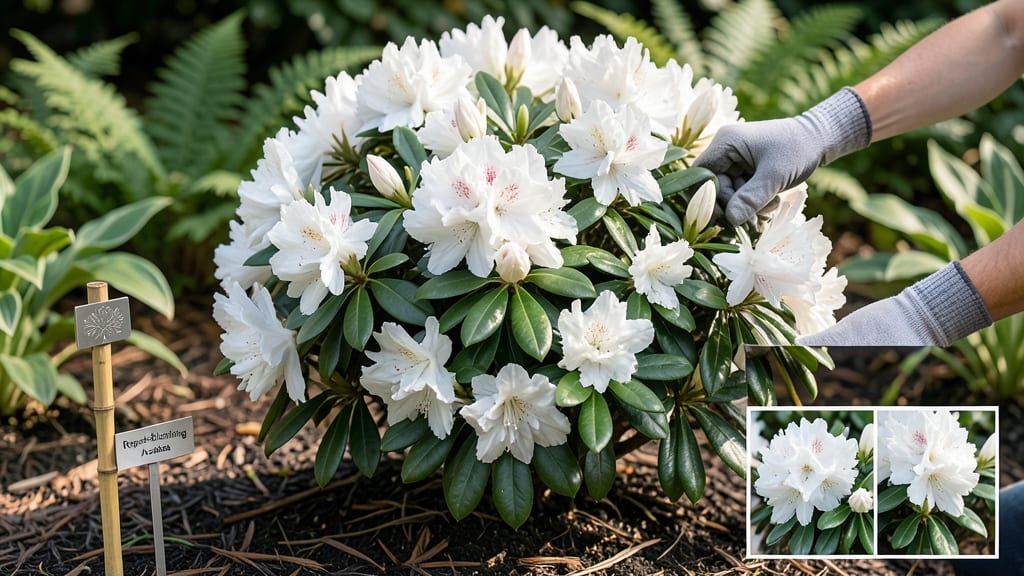
Finding azaleas that bloom multiple times a year feels like magic—until you know the secret varieties. 🌸 These reblooming beauties defy the once-a-year rule with the right care, and I’ve grown them for years in my shade garden without the fuss of constant pruning.
The key is choosing cultivars bred for repeat blooms like ‘Girard’s Pink’ or ‘Hino Crimson’, which thrive in partial shade and acidic soil. Skip heavy pruning—just shape lightly after the first flush—and feed with azalea-specific fertilizer in spring and summer.
My plants now put on two stunning shows each year with minimal effort. You’ll end up with lush, multi-season blooms that outshine single-flowering varieties. The secret? Matching sunlight, soil, and feeding to what these varieties naturally crave. Let’s get your azaleas reblooming reliably.
Start with acidic, well-draining soil (pH 5.0–6.0) and morning sun with afternoon shade—these are non-negotiables for reblooming. Most garden centers sell pre-mixed rhododendron soil, but you can amend regular soil with peat moss or pine bark. Mulch with pine needles to maintain acidity and moisture.
Pruning is where most people go wrong. Light shaping after the first bloom keeps the plant tidy without sacrificing next year’s flowers. Avoid cutting back into old wood—new growth is where those second blooms form. I prune mine in late summer, just enough to open up the center for airflow.
Feed with a balanced 10-10-10 or azalea-specific fertilizer every 6–8 weeks from spring through early summer. Over-fertilizing in fall can trigger tender new growth that won’t survive winter. My plants get a light feeding in late summer too, just enough to push those second blooms without stressing them.
Watch for over-pruning (which kills next year’s buds) and too much sun (which burns blooms). Reblooming azaleas are forgiving but need consistency. With the right variety and care, you’ll have two seasons of color instead of one.
📚 In This Guide
- What you need
- Instructions
- Tips and common mistakes
- Wrapping up and next steps
What you need
- ● Reblooming Azalea Plants: Choose from varieties like ‘Girard’s Pink,’ ‘Hino Crimson,’ or ‘Kaleidoscope.’ (3–5 plants for optimal visual impact.)
- ● Well-Draining Soil: Mix 1 part peat moss + 1 part perlite + 2 parts garden soil (pH 5.0–6.0).
- ● Organic Mulch: 3–4 inches of pine bark or wood chips (retains moisture and mimics natural forest floors).
- ● Slow-Release Fertilizer: 10-10-10 or acid-loving plant blend (apply 2–3 times/year, spring/fall/winter).
- ● Watering Can or Drip Irrigation: Azaleas hate soggy roots—aim for 1–1.5 inches/week (adjust for rain).
- ● Pruning Shears: Bypass pruners (sharp, clean between cuts to prevent disease).
- ● Gloves & Long Sleeves: Azalea leaves can be slightly prickly—protect yourself!
- ● Epsom Salt (Magnesium Sulfate): 1 tbsp/gallon of water (monthly spray for extra blooms).
- ● Shade Cloth (30–50% coverage): Protects young plants from harsh afternoon sun.
- ● Plant Tags: Label varieties to track blooming cycles and care needs.
How to select and care for reblooming azaleas
Here’s how to pick the right azaleas and keep them flowering twice yearly with minimal fuss.
🌿 Step 1: Choose the Right Reblooming Varieties
Not all azaleas rebloom—look for Kurume, Satsuki, and Encore varieties, which are bred for multiple flushes. I always go for Encore azaleas because they bloom in spring and fall with minimal pruning. Check the label for phrases like "reblooming" or "repeat blooming." These hybrids produce pink, white, or purple flowers that return after their first flush.
Plant them in partial shade (3-6 hours of morning sun) to prevent leaf scorch. Too much direct afternoon sun will stress the plant, reducing its energy for reblooming. If your yard has harsh afternoon light, choose a north-facing spot or use dappled shade from nearby trees.
☀️ Step 2: Provide Consistent Light and Water
Reblooming azaleas demand steady moisture—never let the soil dry out completely. I water mine twice weekly during dry spells, aiming for 1-2 inches of water per week. Use a soaker hose or drip irrigation to keep moisture even; overhead watering can lead to fungal issues. The soil should feel slightly damp 1-2 inches down—if it’s bone-dry, you’re watering too little.
Afternoon shade is key, but don’t skimp on light entirely. Morning sun fuels photosynthesis, giving the plant energy for new blooms. If leaves yellow or drop, your azalea is either overwatered or underwatered—check the soil before panicking.
💧 Step 3: Feed for Continuous Blooms
Reblooming azaleas need regular feeding with acidic, high-phosphorus fertilizer (like a 10-30-20 formula). I apply fertilizer every 4-6 weeks from spring through early summer, then switch to a low-nitrogen, high-potassium blend (like 5-10-10) in late summer to encourage fall blooms. Always water before and after feeding to prevent root burn.
Test your soil’s pH—azaleas thrive in acidic soil (4.5-6.0). If your yard’s soil is alkaline, amend with sulfur or peat moss before planting. Yellowing leaves on older growth (not new spring shoots) often signal pH issues—this is your cue to adjust.
✂️ Step 4: Prune Strategically After Each Bloom
Reblooming azaleas bloom on both old and new wood, so pruning is gentle. After the first flush of flowers fades, trim spent blooms down to the first set of healthy leaves—this encourages the next set. Avoid heavy pruning; never cut more than 1/3 of the plant at once. I use clean, sharp shears to make 45-degree cuts just above a leaf node.
In late winter (before buds swell), remove dead, crossing, or weak branches to improve airflow. This prevents fungal diseases like powdery mildew, which can wipe out blooms. If you see blackened stems or mold, prune those areas immediately and treat with neem oil to protect the plant.
🌱 Step 5: Protect for Fall Reblooming
To trigger a second bloom cycle, keep the plant well-watered and fed through early fall. Reduce fertilizer in late summer to avoid soft, weak growth that won’t bloom. I also mulch heavily (2-3 inches of pine bark or shredded leaves) to retain moisture and cool roots—this mimics the plant’s natural dormancy cues.
Watch for buds forming in late summer—they’ll look like small, tight clusters at the ends of branches. If buds drop off, your azalea is stressed (likely from drought or heat). Move it to a shadier spot and water deeply until buds set again. With consistent care, you’ll see another stunning display in September or October.
Tips & tricks for perfect reblooming azaleas
Here's the thing—reblooming azaleas are finicky, but these small tweaks make all the difference between a single spring show and two seasons of color.
Variety Selection: When shopping for reblooming azaleas, don't just trust the label—ask your nursery about the specific growing conditions of each variety. Some Encore azaleas, for example, handle more sun than others. I've found that Kurume varieties often perform best in hotter climates, while Satsuki azaleas prefer cooler, more humid conditions. The key is matching the plant's native growing zone to your climate for maximum blooms.
Lighting Strategy: The 3-6 hours of morning sun mentioned in Step 1 is non-negotiable, but I've learned to watch for subtle signs of stress. If you notice leaves curling or developing brown edges by midday, your azalea is getting too much sun. Move it to a slightly shadier spot immediately—this can happen even with just 3-6 hours of morning sun if your afternoon light is intense. A north-facing location with some tree dappling works best in most yards.
Watering Wisdom: The twice-weekly watering schedule assumes average weather conditions. During heatwaves, I increase to daily watering but always check the soil first. Stick your finger 1-2 inches down—if it feels completely dry, water thoroughly. The secret is consistent moisture without waterlogging. I've ruined blooms by both underwatering and overwatering, so always let excess water drain completely from the pot or soil.
Fertilizer Timing: That 4-6 week feeding schedule in Step 3 is perfect, but here's what nobody tells you—the transition between fertilizers is critical. When switching from the 10-30-20 blend to the 5-10-10 formula in late summer, do it gradually over 2 weeks. Mix equal parts of each fertilizer for the first week, then go to all 5-10-10. This prevents nutrient shock that can cause buds to drop before they open.
Pro Tips for Azaleas That Bloom Multiple Times A Year
- Here's the thing—reblooming azaleas are finicky, but these small tweaks make all the difference between a single spring show and two seasons of color.
- Variety Selection: When shopping for reblooming azaleas, don't just trust the label—ask your nursery about the specific growing conditions of each variety.
- Lighting Strategy: The 3-6 hours of morning sun mentioned in Step 1 is non-negotiable, but I've learned to watch for subtle signs of stress.
Frequently asked questions
Got questions about reblooming azaleas? You’re not alone!
Here are the most common queries—plus straightforward answers—to help you grow stunning, multi-season blooms with ease.
Can azaleas really bloom twice (or more) a year?
Reblooming azaleas (like Kaleidoscope or Girard’s Vanilla Fragrance) are bred to produce spring and fall flowers—sometimes even light summer blooms—if given the right care. The key? Pruning after spring blooms and avoiding heavy fertilizers that encourage only one flush. Think of them as the overachievers of the shrub world!
When do reblooming azaleas flower the second time?
Most rebloomers push out fall flowers in September or October, though some (like Autumn Splendor) may linger into November. Timing depends on your climate—cooler regions often see later blooms. Pro tip: Deadhead spent spring flowers to redirect energy toward fall blooms, but avoid pruning until after the second flush!
What if my azalea only blooms once? How do I fix it?
Don’t panic! Over-fertilizing (especially with high-nitrogen feeds) or pruning at the wrong time (like after summer) can stunt reblooming. Try this:
- Use a balanced, acidic fertilizer (10-10-10 or 8-3-9) in early spring and late summer.
- Avoid heavy pruning—just trim after fall blooms to shape, not cut back hard.
- Ensure 6+ hours of sunlight and well-draining, acidic soil (pH 4.5–6.0).
Are there reblooming azaleas that need zero pruning?
While no azalea is truly "no-prune", varieties like Bow Bells or Hino Crimson are low-maintenance and tolerate light shaping. Focus on:
- Removing only dead or crossing branches (use clean, sharp shears!).
- Avoiding "topping" (cutting back the top to stunt growth)—this stresses the plant.
- Let the shrub grow to its natural shape for easier reblooming.
Do reblooming azaleas need extra care in extreme heat or cold?
Yes! These azaleas thrive in USDA Zones 6–9, but:
- Heat: Mulch heavily to retain moisture and provide afternoon shade in scorching climates.
- Cold: Choose hardy varieties like George L. Taber (Zone 5) and avoid late spring frosts by covering young blooms if needed.
Wrapping up and next steps
Transforming your garden into a year-round azalea paradise is easier than you think! With the right reblooming varieties and a little care, you can enjoy vibrant blooms from spring through fall—without the stress of heavy pruning.
Whether you’re a seasoned gardener or just starting out, these low-maintenance beauties are your ticket to long-lasting color and curb appeal.
Ready to elevate your garden? Start by selecting a few reblooming azaleas from our list, then dive into the pruning tips or soil prep to set them up for success. Your future self—and your neighbors—will thank you! 🌸✨