
Blooming
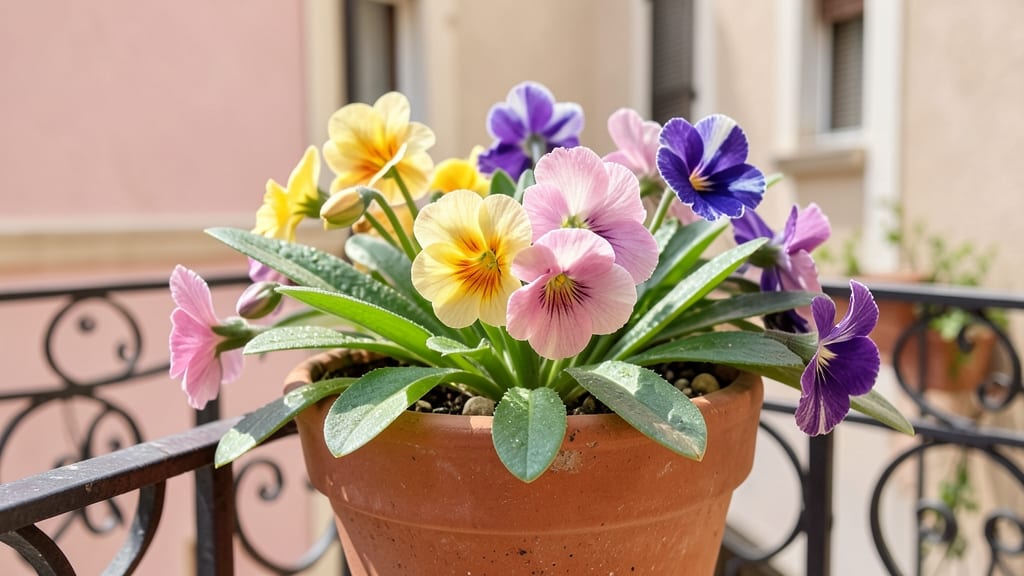
Spring brings vibrant color to gardens, and these seven easy-to-grow flowers bloom early to create instant visual impact. Perfect for beginners or seasoned gardeners, each variety offers unique beauty with minimal care requirements.
Tulips for Early Season Brilliance
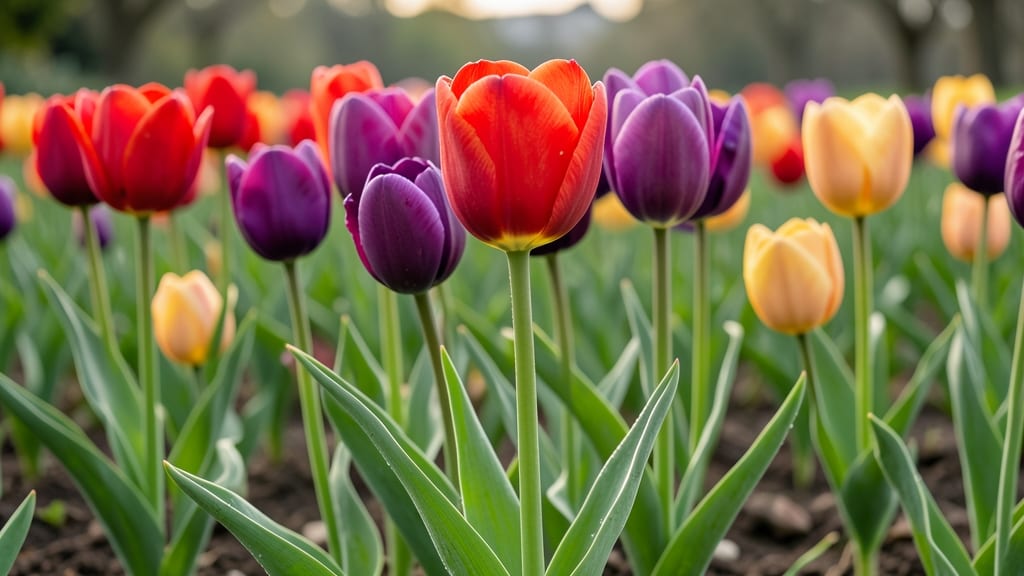
When you crave instant color without the fuss of summer perennials, tulips deliver—blooming as early as late winter in mild climates or by April in cooler zones. Their bold hues (from fiery reds to soft apricots) create dramatic focal points, while their long vase life (up to 10 days) makes them a cut-flower favorite.
Plant tulip bulbs in fall (6-8 weeks before frost) in well-draining soil with 6 hours of sun for best results. Mulch after planting to protect bulbs from freezing, and fertilize lightly in spring once shoots emerge. Unlike some spring bloomers, tulips thrive in cool weather, often reblooming if given proper care and well-drained soil.
Perfect for low-maintenance gardeners, tulips require minimal upkeep—just remove spent blooms to redirect energy to next year’s flowers. Their versatility shines in borders, containers, or even as lawn accents, offering year-round interest with their striking foliage. 🌻
Daffodils That Return Year After Year
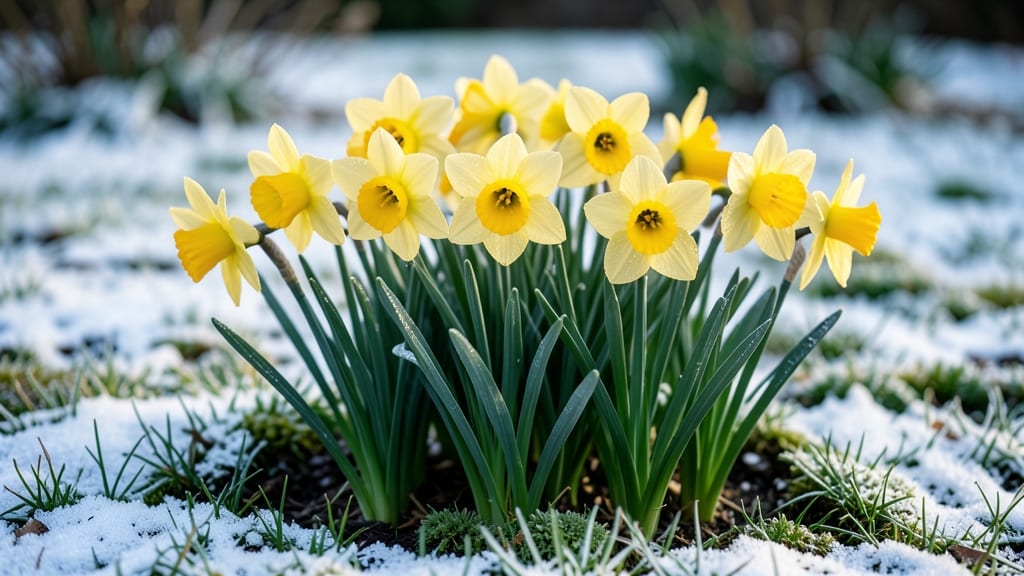
While tulips steal the show with their vibrant hues, daffodils are the unsung heroes of spring gardens—bold, cheerful, and nearly impossible to kill. Their golden trumpets burst through snow-covered lawns as early as February in mild climates, signaling the end of winter with minimal fuss.
Unlike tulips, which often require annual replanting, daffodils multiply naturally, creating dense clusters over time. Plant them in full sun to partial shade and well-drained soil—they thrive even in rocky or grassy areas where other flowers struggle. Choose varieties like 'Tête-à-Tête' (compact) or 'Ice Follies' (pure white) for reliable, long-lasting color.
Perfect for low-maintenance gardeners, daffodils naturalize effortlessly, reducing weeds and providing year-after-year blooms. Their toxicity to deer and squirrels makes them a practical choice too. 🌻
Pansies for Edible Colorful Accents
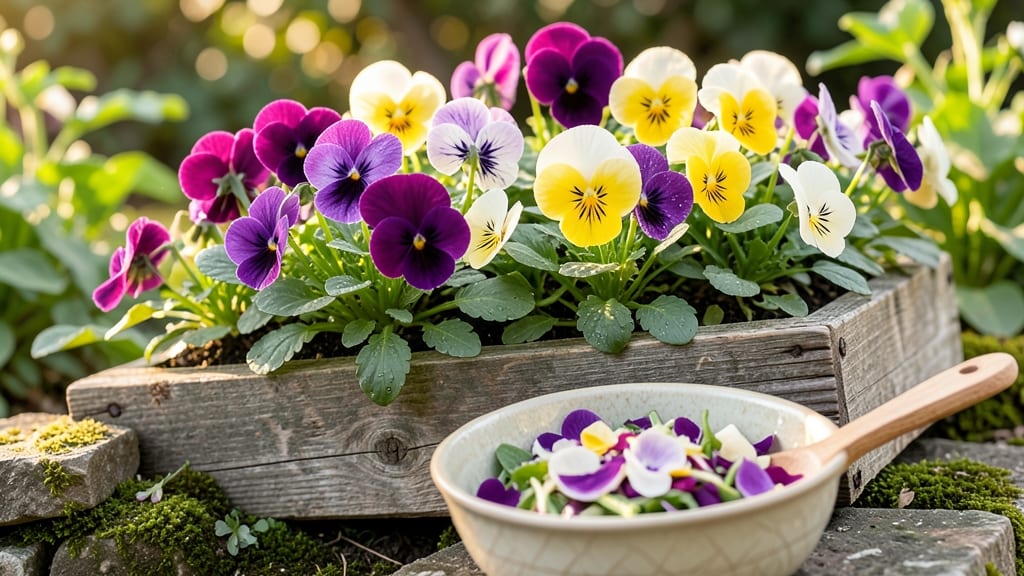
When you crave color and flavor before summer even arrives, pansies deliver both in one cheerful package. These cold-hardy annuals bloom from late winter through spring, offering vibrant hues that brighten containers, borders, and even edible salads.
Plant them in full sun to partial shade for continuous blooms, and pinch back spent flowers to encourage more production. Their edible petals add a mild, slightly sweet flavor to spring salads—just avoid the bitter center. Choose varieties like 'Cool Wave' or 'Majestic Giants' for extra-large blooms that pop in window boxes.
Perfect for urban gardeners with limited space or anyone who loves whimsical garden accents, pansies bring joy with minimal fuss. 🌷
Hyacinths with Fragrant Clusters
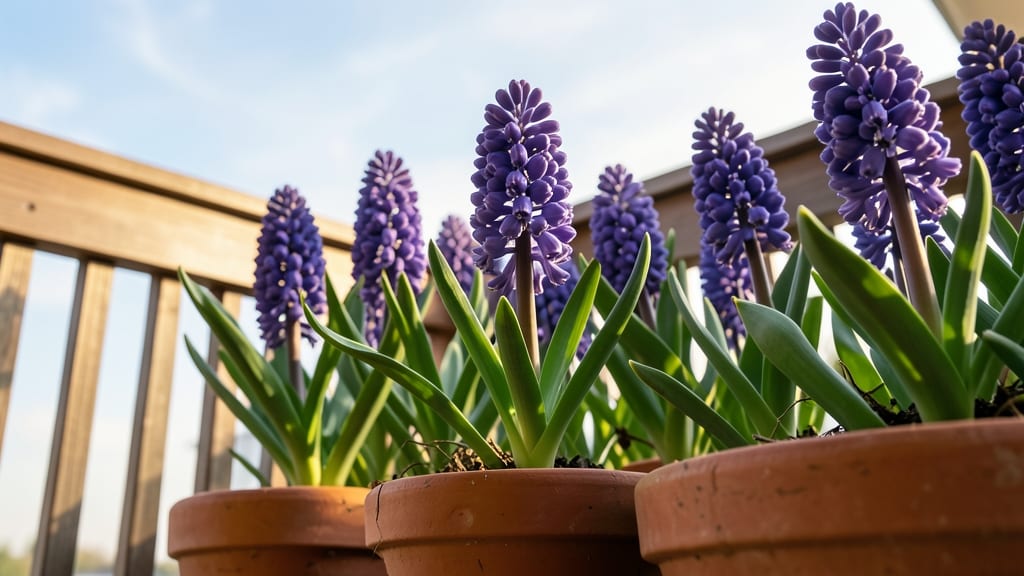
Want to transform a small balcony or patio into a fragrant springtime oasis? Hyacinths deliver intense, sweet-scented blooms in compact clusters, making them perfect for tight spaces. Their upright, dense flower spikes (up to 8 inches tall) create vertical interest while filling the air with a perfume that attracts bees and butterflies.
These bulbs thrive in partial sun (4-6 hours daily) and well-draining soil, making them ideal for containers. Plant bulbs in fall for spring blooms, choosing varieties like 'Blue Jacket' or 'Pink Pearl' for vibrant colors. Deadhead spent blooms to encourage reblooming, and fertilize lightly after flowering to support next year's growth.
Urban gardeners and balcony planters will love how hyacinths pack a punch of fragrance without requiring much space. Their early spring blooms also bridge the gap between winter and summer flowers, ensuring your garden stays aromatic and alive. 🌷
Crocuses for Early Pollinator Support
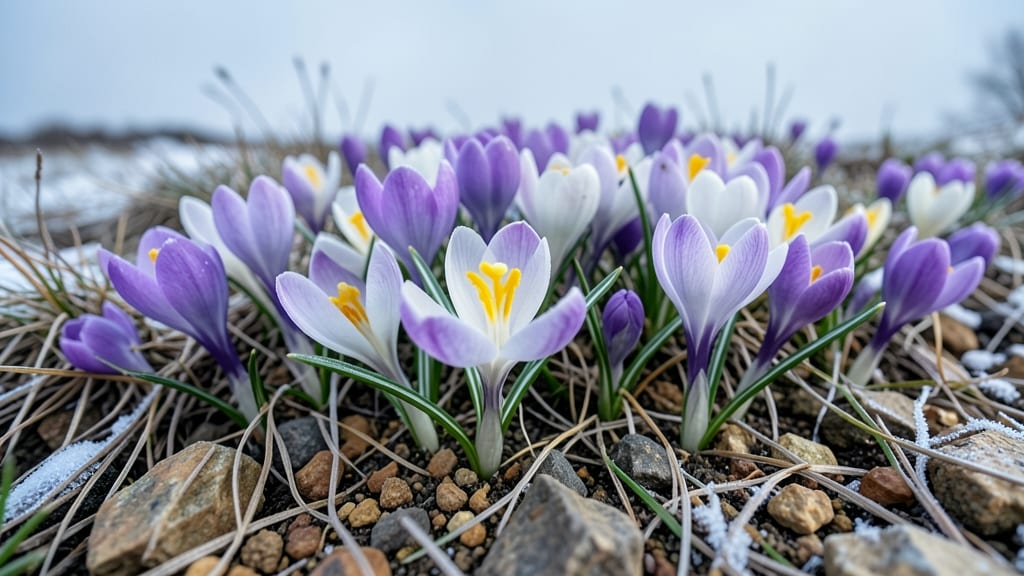
When bees wake up from winter hibernation, they need food—and crocuses are often the first meal of the season. These tiny but mighty blooms emerge through snow or grass in late winter, offering critical early nectar for pollinators struggling to find sustenance.
Plant them in rocky or grassy areas where other flowers haven’t yet sprouted. Most varieties thrive in full sun to partial shade and prefer well-draining soil. For maximum impact, choose mixed colors like purple, white, or yellow—each bloom is a pollinator buffet. Bonus: They naturalize easily, returning year after year with minimal care. 🌱
Sweet Alyssum for Honeybee Magnet
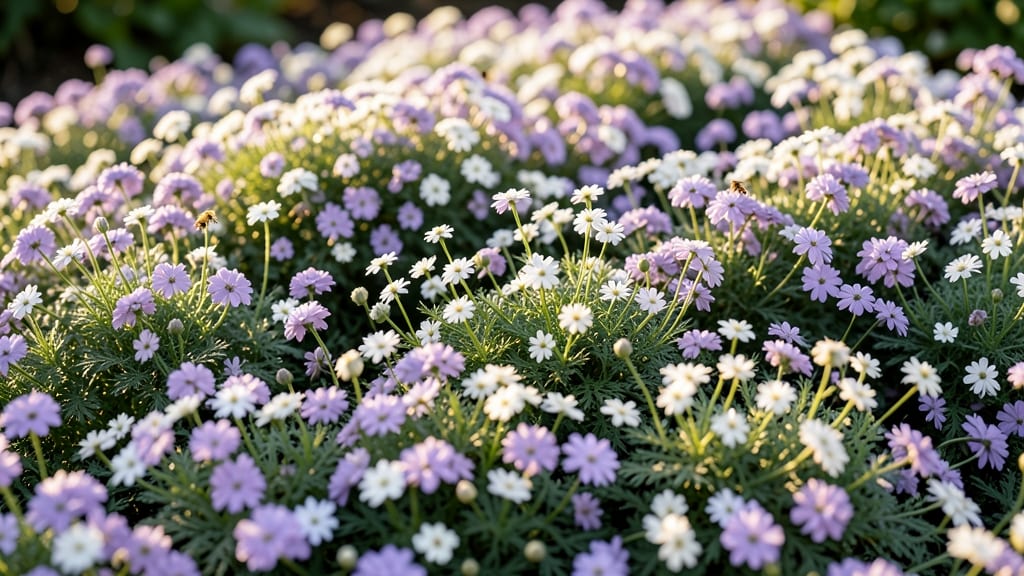
Looking for a flower that turns bare spots into a fragrant, buzzing carpet of color? Sweet alyssum is your answer—this delicate annual blooms in clusters of tiny white or purple flowers that create a lush, honey-scented display perfect for pollinators.
Thriving in full sun to partial shade, sweet alyssum grows just 4-6 inches tall, making it ideal for edging paths, spilling over container rims, or filling gaps between larger plants. Its drought-tolerant nature means you’ll spend less time watering and more time enjoying the buzzing activity of bees and butterflies it attracts. Simply deadhead spent blooms to encourage continuous flowering.
This low-maintenance beauty is a must-have for urban gardeners, container enthusiasts, and anyone who wants to support local pollinators while adding texture and color to their spring garden. 🌿
Bleeding Heart for Shade Gardens
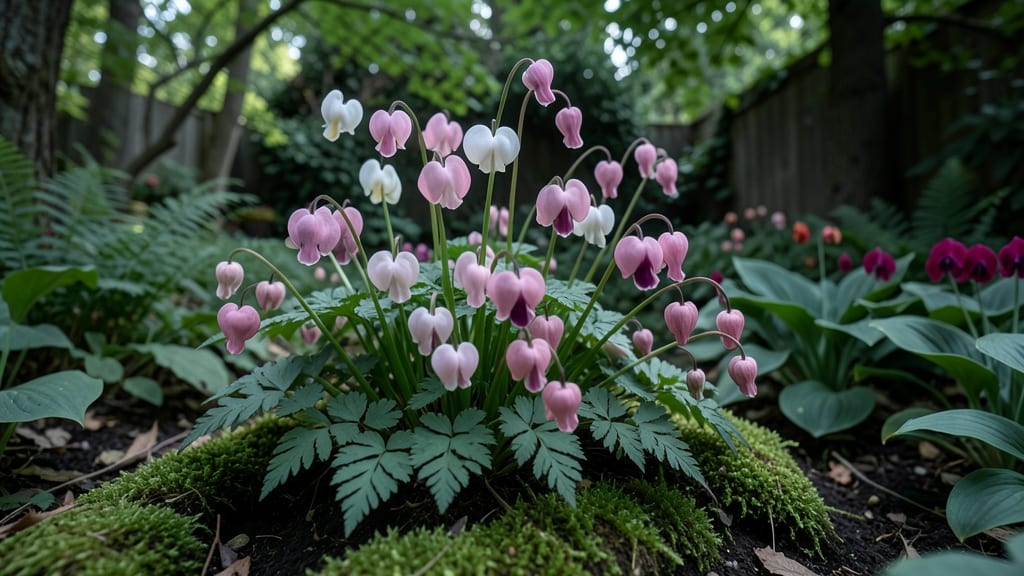
If your garden has shady corners where most spring flowers refuse to thrive, bleeding heart (Dicentra spectabilis) is your secret weapon. This dreamy perennial produces cascading clusters of heart-shaped flowers in soft pinks, whites, and reds—perfect for woodland gardens, north-facing beds, or under trees where sunlight is scarce.
Plant bleeding heart in moist, well-draining soil with partial to full shade, and it will reward you with lush, fern-like foliage and delicate blooms from late spring through early summer. Unlike sun-loving spring flowers, it actually prefers cooler conditions and can handle light frost. Deadhead spent blooms to encourage a second flush, and mulch around the base to retain moisture.
This is the perfect choice for gardeners with shaded spaces who want romantic, low-maintenance beauty. It pairs beautifully with hostas, ferns, and other shade-tolerant perennials for a lush, woodland-inspired look. 💚