
Blooming
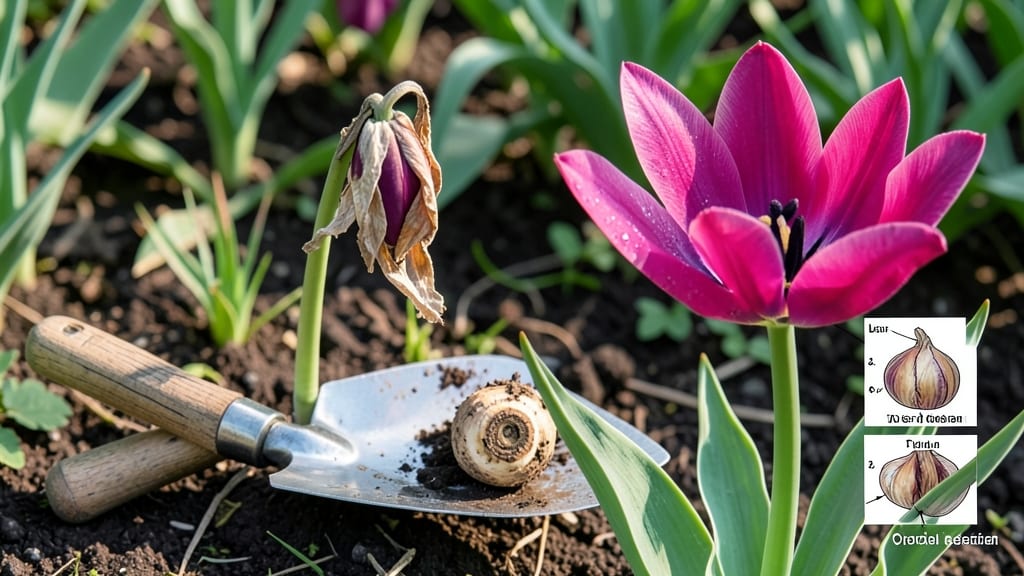
Tulip bulbs do not bloom only once—most varieties are perennial and will rebloom yearly if given proper care, though some may produce smaller flowers over time or require dormancy periods to regenerate energy for future blooms.
Most gardeners assume tulips are one-and-done plants, but the truth is far more rewarding. 🌷 These bulbs store energy underground like natural batteries, allowing them to push through soil year after year when conditions are right.
The key difference between first-year and subsequent blooms lies in how well you support their energy reserves—think of it like recharging a phone battery. Some heirloom varieties even improve with age, producing larger blooms in their third or fourth year when given consistent care.
What surprises many is that even after a "rest year" (when they skip blooming), the bulbs remain viable and often bounce back stronger than before.
Understanding this cycle transforms tulips from seasonal splashes of color to long-term garden investments. The secret lies in mimicking their natural growth patterns—providing rich soil in fall, protecting them from extreme cold, and avoiding overwatering during dormancy.
These simple steps can turn a single spring display into decades of reliable blooms.
💡 In This Article
- How Tulip Bulb Growth Cycles Work
- Tips to Encourage Repeated Tulip Blooms
How tulip bulb growth cycles work
Tulip bulbs operate like biological energy reservoirs, storing carbohydrates and nutrients in their scales during the growing season. This stored energy—primarily in the form of starches—fuels the shoot's emergence in spring. The bulb's ability to rebloom depends on how effectively it replenishes these reserves after each flowering cycle.
For example, a Darwin Hybrid tulip might produce a 4-inch bloom its first year, but if the bulb doesn't receive adequate nutrients, subsequent blooms could shrink to just 2-3 inches.
The dormancy period is where the magic happens. After blooming, tulips enter a 6-8 week rest phase where they focus entirely on rebuilding energy stores. During this time, the leaves (often overlooked) continue photosynthesis, converting sunlight into sugars that get transported back to the bulb.
Cutting back foliage too early robs the bulb of its food supply—imagine unplugging a phone mid-charge! Some varieties, like fosteriana tulips, naturally decline after their first bloom but often recover vigor in their third year when given proper dormancy.
Temperature plays a critical role in this cycle. Tulips need chilling at 35-45°F for 12-16 weeks to break dormancy properly. Without adequate cold exposure, bulbs may produce weak stems or fail to bloom altogether.
This is why gardeners in warm climates often struggle—artificial chilling or planting in high-altitude areas can help replicate these conditions. The bulb's outer scales act as insulation, protecting the inner growth center where next year's bud forms.
What most people don't realize is that tulip blooms actually emerge from buds formed the previous year. The flower stalk you see in spring is essentially a pre-programmed growth sequence triggered by the stored energy.
This explains why some bulbs produce multiple stems—each one represents a separate flower bud that developed during the previous growing season. The more energy stored, the more stems and larger blooms you'll get in subsequent years.
There's also a fascinating phenomenon called "bulb offsetting," where daughter bulbs form around the parent bulb. These offsets can be carefully separated and replanted to create new blooming plants. Some heirloom varieties, like Tulipa gesneriana, are particularly good at this, allowing gardeners to expand their collections over time.
The offset bulbs typically take 1-2 years to reach flowering size, demonstrating how tulips invest in their future growth.
One common misconception is that tulips decline after their first year, but this only happens when care is inadequate. With proper conditions—well-draining soil, 2-3 inches of mulch, and balanced fertilization—the same bulb can produce reliable blooms for 10-15 years.
The key is understanding that each bloom represents a temporary energy expenditure, and the bulb's long-term health depends on how well it recovers between cycles.