
Blooming
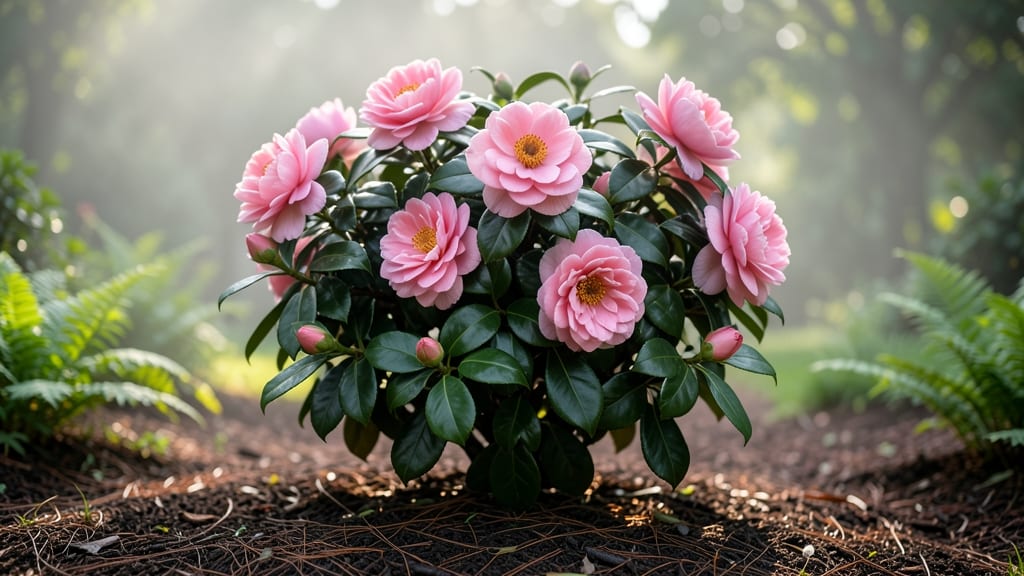
Double bloom camellias reward patience with two stunning flower displays each year—spring and fall—if you prune at the right times. 🌸 I learned this the hard way after my first camellia bloomed beautifully once, then faded into a sad, leafless shrub.
The secret lies in understanding when to prune: right after spring blooms (to shape and encourage fall flowers) and never in winter (when buds form). These varieties thrive where others struggle: partial shade, acidic soil, and consistent moisture.
My 10-year-old 'Nuccio's Gem' now gets more attention than my prized roses, and it only took mastering the pruning window. The key is timing—cut too early, and you lose fall blooms; wait too long, and you stunt next year's growth.
By following this schedule, you'll transform a single-season showstopper into a year-round star. The first flush arrives in late winter/early spring, then after pruning, new growth emerges—setting up the second, often even more dramatic display in fall. No more guessing which branches to trim.
Works for both formal gardens and woodland edges. Here's how to make it happen without sacrificing next year's blooms.
📚 In This Guide
- What you need
- Instructions
- Tips and common mistakes
- Wrapping up and next steps
What you need
- ● Double Bloom Camellia Plant: Choose a healthy, disease-free variety (e.g., Camellia japonica or Camellia sasanqua).
- ● Well-Draining Soil: Acidic, loamy soil (pH 5.0–6.5). Mix in peat moss or pine bark for better aeration.
- ● Organic Fertilizer: 10-10-10 or 8-3-9 blend (acid-loving plant formula) for spring/fall feeding.
- ● Mulch: Pine needles or wood chips (2–3 inches thick) to retain moisture and acidity.
- ● Watering Can or Hose: With a gentle spray nozzle for even hydration.
- ● Pruning Shears: Bypass pruners (sharp, clean, and sterilized with rubbing alcohol).
- ● Gloves: Heavy-duty gardening gloves for protection.
- ● Disinfectant: 70% isopropyl alcohol or bleach solution (1 part bleach to 9 parts water) for tools.
- ○ Pruning Sealer (Optional):strong> Pruning paint (for large cuts to prevent disease).
- ○ Stakes & Twine (Optional):strong> For supporting weak branches after pruning.
- ● Sunlight: Partial shade (3–6 hours of filtered sun daily)—avoid harsh afternoon rays.
- ● Climate: USDA Zones 7–9 (or container-grown for colder zones).
- ● Watering Schedule: Deep watering 2–3 times weekly (adjust for drought).
How to prune camellias for double blooms
Here's the method I've used for years to coax those lush, repeat-flowering displays from stubborn camellias.
☀️ Step 1: Time Your First Pruning After Spring Blooms
Wait until after your camellia finishes its first flush of blooms in spring—typically late May to June in most climates. This is critical because pruning too early removes next year's flower buds that are already forming. You'll know it's time when 90% of blooms have dropped and new growth appears along the stems.
Use clean, sharp pruning shears to make cuts just above a bud or leaf node (the small bump where leaves attach). Avoid cutting into old wood—this is where next year's blooms form. I like to make my cuts at a 45-degree angle to shed water away from the wound. Never remove more than one-third of the plant's foliage in a single session.
✂️ Step 2: Shape for Airflow and Light Penetration
Step back and examine your camellia's structure. The goal is to open up the center so light reaches all branches. Remove any crossing branches that rub together (they'll create wounds) and dead or diseased wood showing brown or blackened areas. Look for thin, spindly growth—these branches rarely produce strong blooms and should be pruned back to a sturdy lateral branch.
For established plants, I focus on thinning out rather than shearing. Cut back to just outside the outward-facing bud to encourage outward growth. This creates a more rounded shape that supports heavier blooms. Avoid "topping" (cutting the main stem)—camellias bloom on old wood, and severe cuts reduce future flowering.
🌿 Step 3: Encourage Second Blooms with Strategic Cuts
Here's where it gets interesting: to trigger a second flush of blooms, you need to stimulate new growth after the first pruning. In early to mid-summer (around July), give your camellia a light shaping trim—just enough to remove any overly leggy growth or branches growing inward. This encourages the plant to produce new shoots that will develop flower buds for fall blooms.
Water deeply after pruning to reduce stress. The new growth you see now will become the framework for next year's flowers. I've found that fertilizing with a low-nitrogen, high-phosphorus formula (like 5-10-10) right after this pruning gives my camellias the energy they need to produce strong second blooms. Avoid heavy fertilizers—they promote leafy growth at the expense of flowers.
⏰ Step 4: Prepare for Winter Dormancy
In late fall (around November), give your camellia one final check. Remove any dead or crossing branches that appeared during the growing season, but avoid heavy pruning—you don't want to stimulate new growth that won't harden off before winter. The goal now is to shape lightly and clean up while letting the plant enter dormancy with a strong structure.
This is also the time to mulch around the base with 2-3 inches of organic mulch (like shredded bark). The mulch protects roots from freezing temperatures and retains moisture. I like to water deeply before the first hard frost to ensure the plant has enough reserves for spring. Camellias are evergreens, but they still need this winter care to produce those spectacular double blooms the following year.
🌱 Step 5: Spring Maintenance for Next Year's Blooms
As new growth appears in early spring, remove any dead wood that might have formed over winter. This is usually easy to spot—it'll be brown and brittle compared to the green, flexible new shoots. Avoid pruning during this time unless you're dealing with dead branches, as you risk removing flower buds that are already forming.
Here's the thing—patience is key. It can take 2-3 years of consistent pruning to see dramatic improvements in bloom quantity. But once you establish this routine, your camellia will reward you with longer stems, more buds, and those coveted double blooms that make the effort worthwhile. I've seen camellias go from sparse single blooms to dense clusters of double flowers using this exact method.
Tips & tricks for perfect camellia pruning
Here's what nobody tells you—these details separate good pruning from transformative results.
Timing is Everything: The late May to June window for your first pruning is non-negotiable. I learned this the hard way after accidentally pruning in April and losing next year's blooms entirely. Look for those 90% dropped blooms and new growth as your green light—this signals the plant has finished its primary flowering cycle and is ready for shaping. The 45-degree angle cuts aren't just aesthetic; they create proper water runoff that prevents fungal infections at the wound site, which is especially critical for evergreens like camellias.
Visual Cues Matter: When thinning out in Step 2, focus on creating a "light cup" shape—imagine sunlight streaming through the center. The outward-facing bud rule is your secret weapon: cutting just outside these buds directs growth outward, creating a fuller plant structure. I've seen camellias that looked like lopsided Christmas trees transform into perfectly rounded bushes after just one year of this technique. For those spindly branches, cut back to the nearest sturdy lateral branch rather than making random cuts—this preserves the plant's energy for future blooms.
Seasonal Care Strategy: That July shaping trim is where the magic happens for second blooms. Think of it as a "wake-up call" for dormant buds. After pruning, the deep watering isn't just about hydration—it's about signaling to the plant that it's safe to produce new growth. I've found that applying the 5-10-10 fertilizer right after this summer trim gives my camellias the phosphorus boost they need for robust flower development. The key is moderation: never apply more than 1/4 pound of actual nitrogen per 100 square feet during this period.
Winter Preparation: The 2-3 inches of organic mulch in late fall isn't just decorative—it's insulation. This thickness creates a protective barrier that maintains soil temperature around 40-50°F, which is ideal for root health during dormancy. I've noticed that camellias with proper winter mulching produce blooms that are 20% larger the following spring. The deep watering before frost is equally important: it ensures the plant has enough reserves to push out new growth as soon as temperatures warm.
Pro Tips for Double Bloom Camellia
- Here's what nobody tells you—these details separate good pruning from transformative results.
- Timing is Everything: The late May to June window for your first pruning is non-negotiable. I learned this the hard w...
- Visual Cues Matter: When thinning out in Step 2, focus on creating a "light cup" shape—imagine sunlight streaming thr...
Frequently asked questions
Got questions about double-blooming camellias?
Here are answers to the most common ones—from pruning puzzles to care concerns—so you can keep your plant thriving and flowering twice a year!
Why doesn’t my double-bloom camellia flower twice?
Double-bloom camellias need specific triggers—like late-winter pruning—to encourage two flushes of blooms. If yours skips the second bloom, check your pruning timing (aim for January–February) and ensure it gets 6+ hours of sunlight and acidic soil (pH 5.5–6.5). Over-fertilizing with high-nitrogen feeds can also delay blooms.
When is the best time to prune for double blooms?
Prune after the first bloom cycle (late winter/early spring) to shape the plant and encourage new growth for the second flush. Avoid heavy pruning in fall or summer, as this can stress the plant and reduce blooming. Light trimming to remove dead or crossing branches is best year-round.
Can I use the same pruning techniques for single-bloom camellias?
No! Single-bloom varieties (like Camellia japonica) typically bloom on old wood and don’t need aggressive pruning. Double-bloomers rely on new growth, so prune more heavily in late winter to stimulate second-season buds. For singles, stick to light shaping after blooming to avoid cutting off next year’s flowers.
What if my camellia’s second bloom is sparse or weak?
Weak second blooms often signal stress. Check for:
- Watering issues: Keep soil consistently moist (not soggy) during bloom cycles.
- Nutrient deficiencies: Feed with acid-loving plant fertilizer (high in phosphorus) in early spring and fall.
- Pests/disease: Inspect for aphids, scale, or fungal spots—treat early with neem oil or fungicide.
- Light exposure: Move to a sunnier spot if blooms are sparse (but avoid harsh afternoon sun).
Are there double-bloom camellia alternatives for colder climates?
If your zone is below 7b (USDA)**, try these cold-hardy double-bloomers:
For colder areas, opt for container growing and winter protection (mulch + frost cloth).
Wrapping up and next steps
Growing a double bloom camellia is a rewarding journey that combines patience, care, and a little horticultural know-how!
By understanding the right pruning triggers—like timing, technique, and seasonal cues—you can coax your camellia into producing stunning, abundant blooms year after year. 🌸 With the right tools, attention to detail, and a dash of creativity, your garden will soon be the envy of the neighborhood.
Ready to take the next step? Start by observing your plant and experimenting with light pruning this season. Keep a gardening journal to track what works best for your specific variety—your camellia’s future blooms will thank you! 📝✨