
Blooming
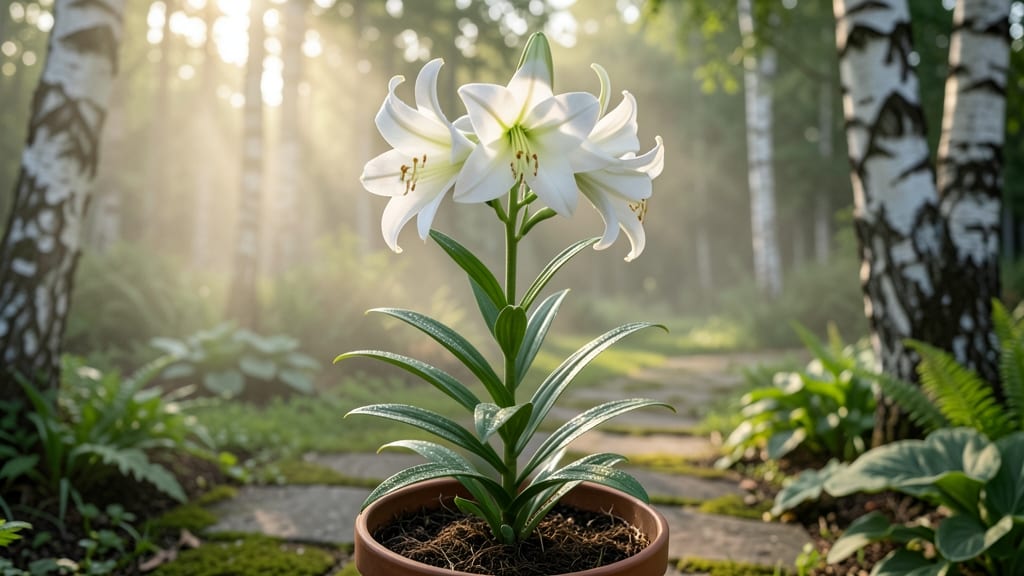
Easter lilies bloom in spring after a 120- to 180-day dormancy period, turning your garden into a fragrant spectacle 🌸 — but timing depends entirely on when you planted the bulbs and your local climate.
If you’ve ever waited eagerly for Easter lilies to burst into fragrant blooms—only to be disappointed by late or absent flowers—this guide is your key to timing perfection.
In Zone 6a (like most of the Midwest), bulbs planted in September or October will typically produce blooms by April or May, aligning with their namesake holiday.
But warmer zones like 8 or 9 can see flowers as early as March, while colder zones (3-5) may delay blooms until June.
Below, I’ll break down the exact bloom windows by zone, share pro tips to accelerate flowering, and help you troubleshoot why your Easter lilies might be playing hide-and-seek with their trumpet-shaped spikes.
Easter lily bloom time by USDA climate zones: when to expect fragrant spikes
Easter lilies (Lilium longiflorum) are famous for their snow-white trumpet blooms and heavenly fragrance, but their bloom timing varies dramatically depending on where you live. Unlike annuals, these hardy perennials (in zones 3-9) rely on cold dormancy periods to trigger spring blooms.
If you’ve planted bulbs expecting Easter morning color—only to wait until June—your USDA zone is likely the culprit. Let’s break down exactly when to expect those fragrant spikes in every growing region.
The key to predicting Easter lily blooms lies in understanding three critical factors: your USDA hardiness zone, your planting season (fall vs. spring), and the length of your frost-free period.
In warmer zones like 9-10, lilies may bloom twice yearly, while colder zones (3-5) get one reliable spring show. Even within the same zone, microclimates (like urban heat islands or coastal breezes) can shift bloom windows by weeks.
Below, I’ve mapped out the average bloom windows for each zone, plus pro tips to adjust timing if your lilies run late.
| USDA Zone | Fall Planting Bloom Window | Spring Planting Bloom Window | Key Climate Notes |
|---|---|---|---|
| 3-4 | Late May - June | Not recommended (short season) | Long dormancy; needs 4-6 months cold |
| 5-6 | April - May | June - July (late) | Classic Easter bloom zone; plant October-November |
| 7-8 | March - April | May - June | Mild winters; may rebloom in fall if cared for |
| 9-10 | February - March | April - May | Tropical zones; year-round blooms possible with care |
*Bloom windows assume 6-8 weeks of chilling post-planting. Adjust for early/late frosts.
In zones 3-4, where winters are harsh, Easter lilies need a full 6 months of dormancy to trigger blooms. Plant bulbs in September-October, and expect spikes to appear late May-June.
The delay happens because these zones require extended cold exposure—think of it like a natural countdown before growth resumes. For gardeners in zone 5-6, the classic Easter bloom window (April-May) is reliable, but only if you plant bulbs 4-6 weeks before the first frost.
Miss that window, and you’ll push blooms into June-July.
Warmer climates (zones 7-10) offer a game-changing advantage: year-round bloom potential. In zones 7-8, lilies often produce two bloom cycles—once in spring (March-April) and again in fall (September-October) if given proper care. Meanwhile, zones 9-10 can enjoy near-continuous blooms if planted in winter (December-February).
The trick here is mimicking seasonal cues: in tropical zones, lilies need a cooling period (like a 2-week fridge stay) to break dormancy before replanting.
Here’s a zone-specific pro tip to sync blooms with your goals: In zones 5-6, plant bulbs in containers and move them to a garage or cold frame for 6-8 weeks before transplanting outdoors in spring. This shortens dormancy and can push blooms 2-3 weeks earlier.
Conversely, in zones 9-10, avoid fertilizing after June to prevent fall blooms from being weak or sparse. The right balance of chilling and warmth is what unlocks those fragrant trumpet spikes on schedule.
Light exposure also plays a surprisingly big role in bloom timing. Easter lilies thrive with 4-6 hours of morning sun but avoid hot afternoon rays, which can stress bulbs and delay flowering. In shady zones (like under trees), blooms may arrive 2-4 weeks later than in full sun.
For container growers, place pots near east-facing windows or use grow lights for 12 hours daily to <
How to accelerate Easter lily blooms: pro tips for faster fragrant spikes
Easter lilies are famous for their stunning trumpet-shaped blooms and heavenly fragrance, but sometimes they take their time to deliver. If your Easter lilies are blooming later than expected—or not at all—don’t worry! With the right care, you can speed up their bloom time and enjoy those fragrant spikes sooner.
The secret lies in optimizing their growing conditions, from planting depth to light exposure and soil health. Let’s dive into the proven strategies that will help your lilies bloom faster and more abundantly.
One of the biggest factors in accelerating Easter lily blooms is creating the ideal environment for their bulbs. These plants thrive in well-draining soil with a slightly acidic to neutral pH (around 6.0 to 7.0).
If your soil is too alkaline or compacted, the bulbs may struggle to establish strong roots, delaying flowering. Additionally, proper watering techniques and light exposure play a crucial role in encouraging early blooms.
By tweaking these elements, you can give your Easter lilies the best chance to burst into fragrant beauty weeks ahead of schedule.
5 Pro Tips to Speed Up Easter Lily Blooms
- 🌱 Plant bulbs at the correct depth: Bury them 6-8 inches deep in well-draining soil to encourage strong root growth.
- 💧 Water deeply but infrequently: Soak the soil once a week in spring and reduce to bi-weekly in summer to avoid rot.
- ☀️ Provide morning sun and afternoon shade: 4-6 hours of sunlight daily is ideal—too much direct sun can stress the bulbs.
- 🌿 Adjust soil pH to 6.0-7.0: Test your soil and amend with sulfur or lime if needed for optimal nutrient uptake.
- ✂️ Remove spent blooms promptly: Deadheading encourages the plant to redirect energy to new flower spikes.
If your Easter lilies are struggling to bloom, the issue might be overcrowded bulbs. When bulbs are planted too close together, they compete for nutrients and water, which can delay flowering.
To fix this, gently dig up the bulbs in late summer or early fall, separate them, and replant them with 6 inches of space between each bulb. This gives them room to grow strong roots and produce more abundant blooms the following spring.
Another common reason for delayed blooms is inadequate sunlight. While Easter lilies tolerate partial shade, they need at least 4-6 hours of morning sun to thrive.
If your lilies are in a shady spot, consider moving them to a location with dappled sunlight or supplement with a grow light if growing indoors. Even a slight increase in light exposure can trigger earlier and more vigorous blooming.
For potted Easter lilies, container size matters. If the roots are root-bound or the pot is too small, the plant will focus on growing roots rather than producing flowers.
Repot your lilies into a larger container with fresh potting mix every 2-3 years to give them the space they need. Additionally, ensure the pot has drainage holes to prevent waterlogging, which can lead to bulb rot and delayed blooming.
Finally, don’t forget that fertilizer timing plays a key role in accelerating blooms. Apply a balanced fertilizer (5-10-10) in early spring when the leaves first emerge, and again after the blooms fade.
Avoid fertilizing in late summer or fall, as this can encourage new growth that won’t harden off before winter. With these adjustments, your Easter lilies will be bursting into fragrant spikes weeks earlier than before!