
Blooming
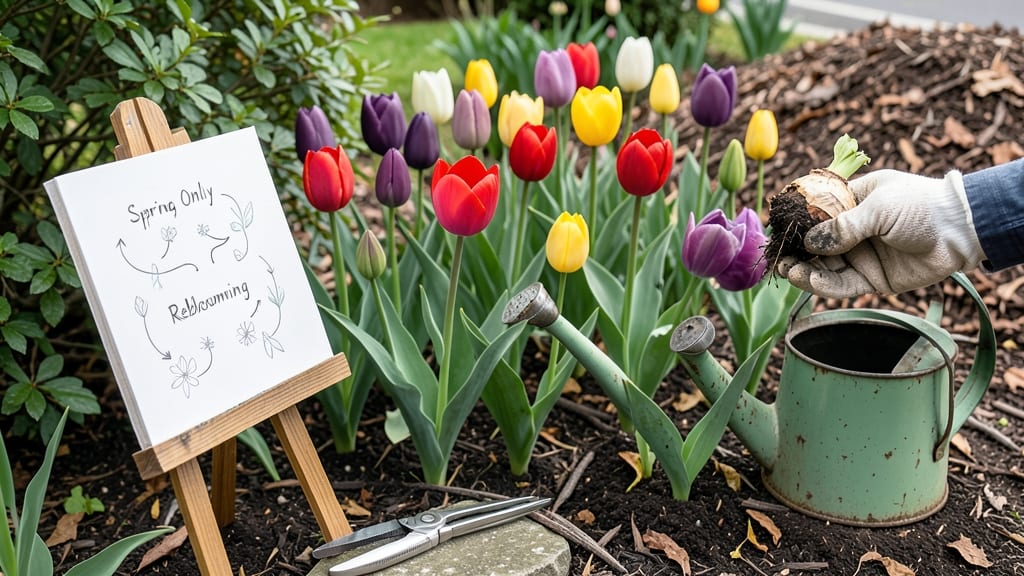
Tulips do not bloom all summer—they typically flower for 2-4 weeks in spring, with most varieties fading by early summer. Late-blooming species like Darwin hybrids or species tulips may extend blooms into early summer, but continuous summer blooms require replanting or forcing techniques.
Tulips are seasonal bloomers, primarily triggered by spring's longer daylight hours and cold winter dormancy. 🌸 Most garden varieties peak in late spring, then enter a rest period—this natural cycle is hardwired into their genetics.
Even late-blooming types like Darwin hybrids (which flower 2-3 weeks later than standard tulips) rarely last past June unless you take action. The good news? With strategic replanting or indoor forcing, you can create summer-long color displays that mimic tulip behavior while extending their seasonal window.
For gardeners in warmer climates (USDA zones 7-10), the challenge is even greater—heat stress accelerates bulb decline. That's why I recommend pairing tulips with summer-blooming perennials like black-eyed Susans or coreopsis to maintain continuous garden interest.
The key is understanding that tulips are one-season wonders by nature, but with the right techniques, you can stretch their visual impact well beyond their natural bloom cycle.
💡 In This Article
- Tulip Bloom Cycles: Why Most Varieties Fade by Summer
- Extending Tulip Blooms: Varieties and Techniques for Summer Interest
Tulip bloom cycles: why most varieties fade by summer
Tulips follow a strict biological clock tied to seasonal light exposure and cold dormancy. Their blooming is triggered by vernalization—a process requiring 12-16 weeks of temperatures below 50°F (10°C)—followed by photoperiod sensitivity where longer daylight hours in spring signal blooming.
This cycle is hardwired into their genetics, with most varieties programmed to flower in late spring when days lengthen to 14-16 hours of daylight. 🌱 The problem? Once they bloom, tulips deplete their energy reserves, entering a mandatory rest period that typically lasts until next winter.
Climate zones dramatically affect bloom timing. In cooler northern regions (USDA zones 3-5), tulips often bloom earlier (March-April) due to longer winter chilling periods, while southern zones (7-10) may see blooms delayed until May or even June.
Darwin hybrids, known for their late-season blooms, typically flower 2-3 weeks later than standard tulips but still complete their cycle by early summer. The heat of summer actually accelerates bulb deterioration—temperatures above 80°F (27°C) for prolonged periods can cause bulbs to rot or fail to rebloom.
What most gardeners don't realize is that tulips have a built-in one-season bloom window due to their energy allocation strategy. Each bulb stores nutrients for just one spectacular bloom before requiring a full year of recovery.
This explains why even late-blooming varieties like 'Apeldoorn' or 'Fosteriana' (which can extend blooms into early June) still follow this pattern. The plant's survival mechanism prioritizes reproduction over prolonged flowering—nature's way of ensuring energy isn't wasted on extended displays when the bulb needs to regenerate.
Species tulips offer slight variations in timing, with some like Tulipa greigii blooming 1-2 weeks later than standard varieties, but they still follow the same fundamental cycle. The key difference lies in their natural habitats—many species tulips originate from mountainous regions where cooler summer temperatures naturally extend their bloom period.
Even these, however, cannot defy biology completely; their summer blooms are an extension rather than a complete seasonal shift. 🌿
For gardeners in warmer climates, this biological reality becomes particularly challenging. In USDA zone 9, for example, tulips planted in fall may bloom in late winter, but the subsequent summer heat often prevents them from storing enough energy for next year's blooms.
This is why many southern gardeners treat tulips as annuals—planting fresh bulbs each fall rather than expecting perennial performance. The trade-off between seasonal beauty and long-term bulb viability is a fundamental limitation of tulip cultivation.
Understanding these natural constraints helps explain why tulips never achieve continuous summer blooming. Their entire lifecycle is optimized for a single spectacular display in spring, followed by a necessary period of dormancy.
This biological design ensures maximum impact during their optimal growing window while conserving energy for future seasons—a perfect example of nature's efficiency in plant reproduction strategies. 🌸