
Blooming
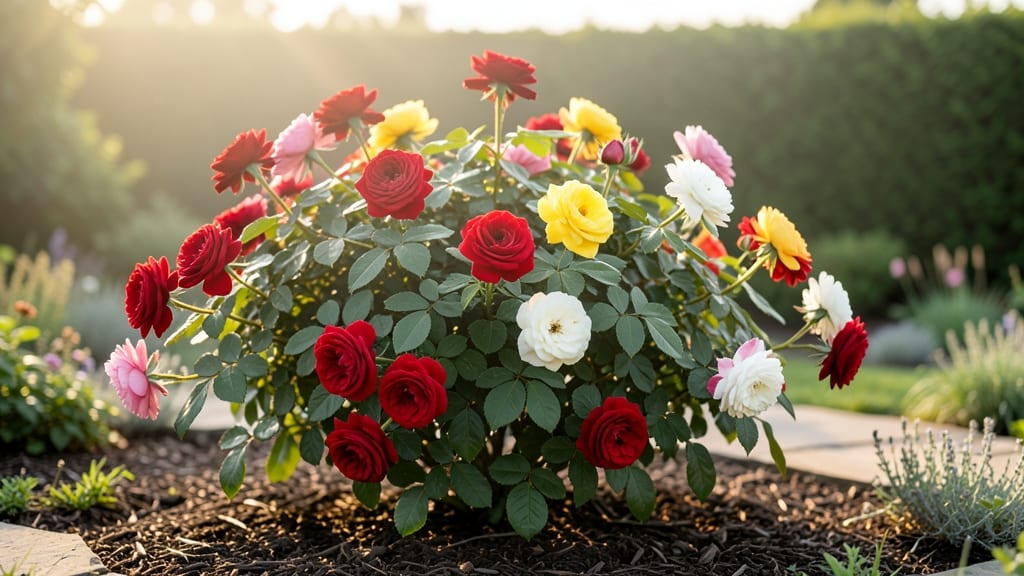
Knockout roses don't just bloom all summer—they throw down a nonstop parade of flowers from spring until frost, no deadheading required. 🌹 I've grown them for years, and they've never once taken a summer break, even in my hot, humid zone.
The secret lies in their disease-resistant genetics and heat-loving nature, but there's still a trick or two to keep them going strong.
These roses thrive because they bloom on new wood, not just last year's growth. That means pruning isn't about forcing blooms—it's about shaping the plant for better air circulation and sunlight. I cut mine back by about a third in early spring, then just remove any dead or crossing branches.
The flowers keep coming because the plant stays healthy, not because you're forcing it to perform.
What you'll end up with is a bush covered in bold, velvety blooms from May through October, with minimal effort. They handle heat waves better than most roses and bounce back from pests like a champ.
The only real maintenance is watering during dry spells and an occasional fertilizer boost—nothing fancy.
Perfect for busy gardeners, urban patios, or anyone tired of roses that need constant deadheading. They're the ultimate low-maintenance showstopper, and once you try them, you'll never go back to finicky varieties. Here's how to keep yours in peak bloom all season long.
Understanding Why Blooms Fade Early
Knockout roses are famous for their long-blooming season, but even these hardy plants can sometimes stop flowering before summer ends. If your Knockout roses aren’t putting on a show until the first frost, the issue likely stems from one (or more) of these common causes.
Let’s break down the science behind why blooms taper off prematurely—and how to fix it.
---
Knockout roses thrive in heat, but intense, prolonged heatwaves (above 90°F/32°C) can shock their systems. Here’s why:
- Photosynthesis Overload: High temperatures cause leaves to overheat, reducing their ability to convert sunlight into energy.
When roses can’t produce enough glucose, they prioritize root and stem growth over flower production—a survival mechanism. - Water Loss & Wilting: Even drought-tolerant Knockouts struggle when soil dries out too quickly.
Roots can’t absorb water fast enough, leading to bud drop (flowers aborting before opening). - Hormonal Shift: Heat stress triggers ethylene gas production in plants, which signals buds to senesce (age prematurely) instead of blooming.
💡 Pro Tip: Mulch with 3–4 inches of organic matter (like shredded bark) to retain moisture and regulate soil temps. Water deeply 2–3 times per week (early morning) rather than shallow daily doses.
---
Knockout roses are low-maintenance, but they still need balanced nutrients to keep flowering. Common deficiencies include:
| Nutrient Deficiency | Symptoms | Solution | |-------------------------|---------------------------------------|------------------------------------------------------------------------------| | Nitrogen (N) | Yellowing lower leaves, stunted growth | Apply a balanced 10-10-10 fertilizer in early summer. | | Phosphorus (P) | Purple-tinged leaves, weak stems | Use bone meal or rock phosphate (spring/fall). | | Potassium (K) | Brown leaf edges, poor heat tolerance | Add wood ash or greensand to soil. | | Magnesium (Mg) | Yellow patches between leaf veins | Sprinkle Epsom salt (1 tbsp/gal water) monthly. |
⚠️ Warning: Over-fertilizing with high-nitrogen feeds (like lawn fertilizer) can stop flowering entirely—roses prioritize foliage over blooms!
--- Knockout roses bloom on new wood, meaning they rely on fresh growth from the current season. If pruned incorrectly, they’ll focus energy on recovery instead of flowers.
- Pruning Too Late: Cutting back after June 15th removes potential bloom buds.
New growth needs 6–8 weeks to mature into flowers. - Over-Pruning: Removing more than 1/3 of the plant at once stresses the rose, diverting energy to regrowth. - Deadheading Neglect: While Knockouts don’t require deadheading, removing spent blooms with 1–2 leaves below encourages continuous flowering.
🔪 Fix It: Prune lightly in early spring (after last frost) to shape the plant, then trim back lightly after each flush of blooms to promote new growth.
---
Even Knockouts aren’t immune to hidden stressors
- Japanese Beetles: These skeeters skeletonize leaves, reducing the plant’s ability to photosynthesize. A single beetle can defoliate a bush in days! - Powdery Mildew: White fungal growth on leaves blocks sunlight, weakening the plant. Common in humid, shaded conditions. - Black Spot: Dark spots on leaves lead to premature leaf drop, starving the rose of energy for blooms. 🛡️ Prevention:
- Spray with neem oil or insecticidal soap at first sign of pests.
- Improve air circulation by spacing plants 3–4 feet apart.
- Water at the base (not overhead) to prevent fungal spores from spreading. ---
Knockout roses in small or root-bound pots (or overcrowded in the ground) struggle to support continuous blooming because: - Limited Nutrient Uptake: Roots can’t spread to access water/nutrients, leading to stunted growth.
- Competition for Resources: Nearby plants or aggressive roots (like from trees) steal moisture and nutrients.
- Poor Drainage: Compacted soil or clay-heavy gardens cause roots to suffocate, reducing flowering. 🌱 Solution:
- Potted Knockouts: Repot into a larger container (1–2 sizes up) every 2–3 years with fresh potting mix.
- In-Ground Plants: Loosen soil around the base with a garden fork in early spring to aerate roots.
- Mulch Heavily: Use 4–6 inches of mulch to protect roots from temperature swings.
Revive Your Knockout Roses Summer Bloom
Knockout roses are famous for their hardy, long-lasting blooms—but even the toughest varieties can struggle to keep up with summer’s heat, pests, or neglect. The good news? With a few targeted fixes, you can restore their vibrant, continuous flowering.
Below, we break down common issues and practical solutions to keep your roses blooming all season.
---
Symptoms: Wilting, yellowing leaves, buds dropping before opening, or stunted growth.
How to Fix It: 🔥 Boost Hydration - Water deeply 2–3 times per week (early morning or evening to reduce evaporation). - Use drip irrigation or soaker hoses to keep roots moist without wetting foliage (which attracts disease). - Mulch heavily (3–4 inches of organic mulch like shredded bark) to insulate roots and retain moisture.
🌿 Provide Shade Relief - If your roses are in full sun (6+ hours/day), consider partial afternoon shade (especially in extreme heat zones). - Use lightweight shade cloth (30–50% coverage) or plant taller annuals (like sunflowers) nearby for natural shade.
💡 Pro Tip: Avoid overhead watering—it can scorch leaves. Drip systems are a game-changer for heat-prone gardens!
---
Symptoms: Holes in leaves, black spots, powdery mildew, or chewed buds.
How to Fix It: 🔪 Inspect & Remove Infestations - Handpick aphids, Japanese beetles, or spider mites (spray with a soapy water solution if severe). - Prune diseased leaves or stems immediately—sterilize shears with rubbing alcohol between cuts. - Neem oil spray (applied in the evening) deters pests and prevents fungal growth.
🌡️ Improve Air Circulation - Space roses 3–4 feet apart to reduce humidity around foliage (fungi thrive in damp, crowded areas). - Thin out suckers (shoots growing from the base) to redirect energy to blooms.
💡 Prevention Tip: Preventative sprays (like copper fungicide) in early summer can stop powdery mildew before it starts.
---
Symptoms: Pale leaves, weak stems, excessive leaf growth (but few buds), or fertilizer burn (brown leaf edges).
How to Fix It: 🍳 Adjust Your Fertilizer Game - Test your soil (a simple DIY kit or lab test) to check pH (ideal: 6.0–6.5 for roses). - Feed lightly but often: Use a balanced rose fertilizer (10-10-10 or 5-10-5) every 4–6 weeks—less is more in summer heat. - Avoid high-nitrogen fertilizers (like lawn food)—they promote leaves over blooms.
🥗 Boost Organic Matter - Side-dress with compost or worm castings in early summer to replenish nutrients. - Fish emulsion or seaweed extract (diluted) gives a gentle nutrient boost without burning.
💡 Pro Tip: Slow-release granules (like Osmocote) reduce the risk of over-fertilizing while keeping roses fed.
---
Symptoms: Leggy growth, sparse blooms, or roses flowering in clusters instead of continuously.
How to Fix It: ✂️ Prune for Continuous Blooms - Deadhead spent blooms weekly—this encourages new buds by redirecting energy. - Cut back to the first 5-leaflet leaf (just above a outward-facing bud) to promote bushier growth. - Lightly prune in summer (avoid heavy cuts—save major pruning for early spring).
🌿 Encourage Airflow & Sunlight - Remove crossing branches and suckers growing from the base. - Shape roses into an open vase form to maximize airflow and sunlight penetration.
💡 Prevention Tip: Prune in the morning when plants are hydrated—it reduces stress and speeds up recovery.
---
Symptoms: Drooping leaves (even after watering), crispy edges, or buds drying up before opening.
How to Fix It: 💧 Establish a Watering Routine - Water at the base (not the leaves) for 10–15 minutes, 2–3x per week (adjust for clay/sandy soil). - Use a moisture meter to check soil depth—topsoil can dry fast while roots stay wet below. - Group roses with thirsty plants (like lavender or salvia) to create a micro-climate that retains moisture.
🌱 Drought-Proof Your Soil - Amend soil with compost to improve water retention. - Add hydrogel crystals (reusable water-absorbing beads) to the root zone for extra hydration.
💡 Pro Tip: Mulch with straw—it’s lighter than bark and helps retain moisture better in extreme heat.
--- To keep your Knockout roses blooming nonstop, follow this monthly maintenance guide:
| Task | When | How | |-------------------------|----------------|------------------------------------------| | Deep watering | Every 2–3 days | 10–15 mins at the base | | Deadhead spent blooms | Weekly | Cut back to 5-leaflet leaf | | Light fertilizer | June & August | Balanced rose food (diluted) | | Pest/disease check | Bi-weekly | Inspect undersides of leaves | | Mulch refresh | Early summer | 2–3 inches of organic mulch |
--- With these fixes, your Knockout roses will bounce back stronger and reward you with nonstop color all summer long. 🌹✨ The key? Stay consistent—hydration, pruning, and a little TLC go a long way!
Frequently asked questions
Do Knockout roses really bloom all summer without deadheading?
Yes! These roses are bred to bloom continuously from early summer until frost, often with minimal deadheading. While removing spent blooms can encourage more flowers, they'll still produce plenty without it. The key is their ability to bloom on new wood, unlike traditional roses.
Why do my Knockout roses stop blooming in extreme heat?
Heatwaves above 90°F (32°C) can stress roses, causing them to prioritize survival over blooming. The plants may drop buds or produce fewer flowers when soil dries out too quickly. Mulching with 3-4 inches of organic matter and watering deeply 2-3 times per week helps maintain their bloom cycle.
Can Knockout roses grow in containers?
They thrive in containers as long as the pot is at least 15-20 gallons and has drainage holes. Use a high-quality potting mix and repot every 2-3 years to prevent root binding. Container-grown roses may need more frequent watering during hot spells.
Are Knockout roses deer-resistant?
While they're more deer-resistant than many roses, they're not completely deer-proof. Deer may nibble on young shoots or flowers if other food sources are scarce. Planting them near deer-resistant companions like lavender or Russian sage can help deter browsing.
How do I prune Knockout roses for maximum summer blooms?
Light pruning is key! Trim back by about 1/3 in early spring to shape the plant, then deadhead spent blooms by cutting just above a 5-leaflet leaf. Avoid heavy summer pruning—this can reduce flowering. Prune in the morning when plants are hydrated for best results.