
How To
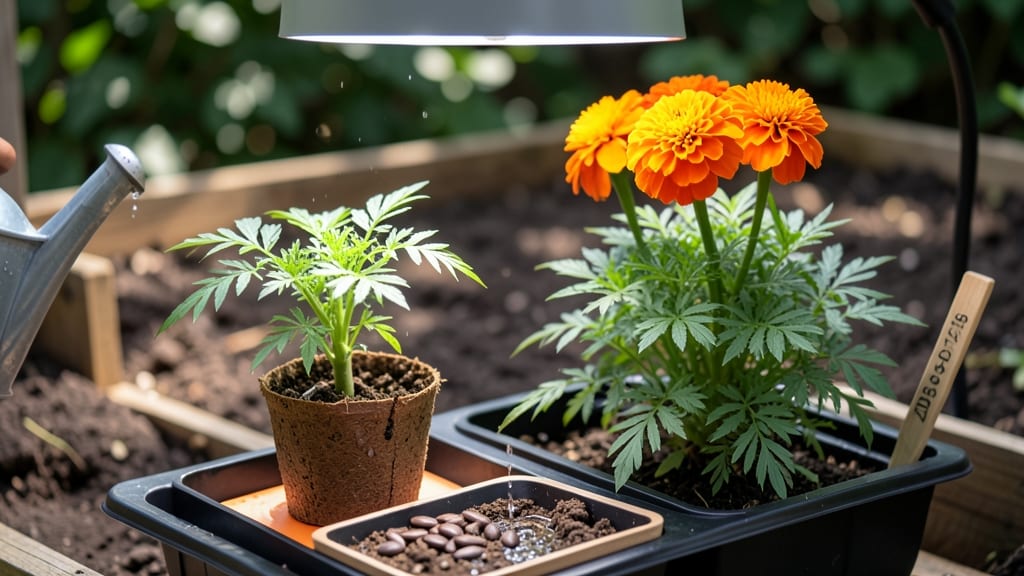
Marigolds take 6 to 10 weeks to bloom from seed when grown in ideal conditions, but the timeline can stretch to 12 weeks if soil or light isn't just right.
That cheerful 🌼 you’re waiting for? It’s worth the patience—especially since some varieties, like French marigolds, bloom faster than others. But if you’re eager to see color sooner, a few tweaks to your garden setup can shave weeks off the wait.
Here’s the secret: soil temperature, sunlight, and even the type of marigold you plant all play a role. For example, African marigolds tend to take longer than Signet varieties, and cooler springs can slow things down.
But with the right approach, you can push those blooms along—even in Zone 6a.
Below, I’ll walk you through the fastest-growing marigold types, how to speed up germination, and the 5 key adjustments that make the biggest difference in bloom time. Ready to turn those seeds into a burst of color sooner than you thought?
Marigold bloom time from seed: variety-specific growth charts & fastest options
If you’ve ever impatiently waited for marigold seeds to transform into those bright orange and gold blooms, you’re not alone.
The timeline varies wildly depending on the variety and growing conditions. French marigolds typically bloom faster than their African or Signet cousins, but with the right tricks, you can shave weeks off the wait. Let’s dive into the specifics so you can plan your garden with precision.
Most marigold seeds sprout within 5–14 days under ideal conditions—warm soil (at least 70°F) and consistent moisture.
However, the real waiting game begins after germination. French marigolds often reward patience with blooms as early as 6–8 weeks from seed, while African marigolds can take 8–12 weeks or longer. Signet marigolds, the compact dwarfs, usually bloom in 7–10 weeks, making them a favorite for container gardens.
Here’s the catch: Climate plays a huge role. In hot, sunny regions like USDA Zone 9 or 10, marigolds can bloom 2–3 weeks faster than in cooler zones.
Conversely, in Zone 5 or 6, you might need to start seeds indoors 4–6 weeks early or use grow lights to compensate. The key is matching your variety to your last frost date and adjusting expectations accordingly.
🌼
| Variety | Germination Time | Bloom Time from Seed | Fastest Bloom Hack | Best For |
|---|---|---|---|---|
| French Marigold (e.g., 'Bonanza Orange') | 5–10 days | 6–8 weeks | Pinch back early growth | Borders, cut flowers |
| African Marigold (e.g., 'Tangerine Gem') | 7–14 days | 8–12 weeks | Use black plastic mulch | Heat-loving beds |
| Signet Marigold (e.g., 'Baby') | 5–12 days | 7–10 weeks | Grow in containers | Patio, windowsills |
| Mexican Marigold (e.g., 'Mexican Sun') | 7–14 days | 9–14 weeks | Stake tall varieties | Drought-prone areas |
For the fastest results, prioritize French marigolds like 'Bonanza' or 'Queen Sophia'. These varieties are bred for speed and thrive in full sun with well-draining soil.
If you’re in a cooler climate, opt for Signet marigolds—their compact size means they mature quickly even in shorter growing seasons. African marigolds, while slower to bloom, reward you with larger, longer-lasting flowers, perfect for cutting gardens.
Did you know? African marigolds can bloom up to 3 weeks later than French varieties, but their disease resistance makes them worth the wait. If you’re growing marigolds as companion plants (like with tomatoes or peppers), French marigolds are the top choice—they deter pests faster and attract beneficial insects sooner.
For container gardens, Signet marigolds are unbeatable because they fit in small pots and bloom in half the time of larger varieties.
One of my biggest mistakes was planting African marigolds in partial shade, which delayed blooms by 4 weeks.
Since then, I’ve learned to always place marigolds in 6+ hours of direct sun and avoid overcrowding—spacing seeds 12–18 inches apart ensures better airflow and faster maturation. Black plastic mulch is another game-changer: it warms the soil and can cut bloom time by 1–2 weeks in cooler zones.
If you’re eager to see blooms by a specific date (like for a wedding or fall festival), calculate backward from your target bloom date.
For example, if you need French marigolds to bloom by September 1st in Zone 6, start seeds indoors by June 15th and transplant outdoors by July 1st.
This gives you a 10-week window from seed to bloom, accounting for cooler temperatures. Pro tip: Use a seedling heat mat to speed up germination in early spring.
For container growers, Signet marigolds are the clear winners. Varieties like 'Baby' or 'Petite' bloom in 7–10 weeks and thrive in 5-gallon pots. To maximize speed, use a lightweight potting mix with perlite and fertilize with a
5 Proven ways to make marigolds bloom faster from seed (climate & care hacks)
If you're eager to see those bright marigold blooms popping up sooner, you're in the right place. While most varieties take 60-75 days to flower, smart climate adjustments and care tricks can shave off weeks.
Start by giving your seeds the perfect warmth boost—marigolds thrive when soil stays above 60°F (15°C). Use a seedling heat mat if your spring nights are chilly, as cooler temps slow germination and delay blooming.
Next, don’t underestimate the power of light optimization. Place your seedlings in the sunniest spot possible—marigolds need at least 6-8 hours of direct sunlight daily. If growing indoors, supplement with a grow light for 12-14 hours a day.
Skimping on light stretches out the time to bloom, so prioritize this early on. Even a south-facing window won’t cut it once seedlings outgrow their initial space.
Now let’s talk soil secrets. Amend your garden beds with compost or aged manure before planting to provide a nutrient-rich foundation. Marigolds aren’t heavy feeders, but they do best in well-draining soil with a pH between 6.0-7.5.
If your soil is heavy clay, mix in perlite or sand to improve drainage—waterlogged roots stall growth and delay flowering. A quick soil test can save you guesswork here.
🌱 Numbered Highlights: Speed Up Marigold Blooms
- 🌡️ Warmth Hack: Use a heat mat (70-75°F) for faster germination—seeds sprout in 5-10 days vs. 2+ weeks in cool soil.
- ☀️ Light Boost: Move seedlings to full sun ASAP; 8+ hours/day cuts bloom time by 10-15 days.
- 🌱 Soil Prep: Add compost + perlite for drainage; marigolds bloom 2 weeks earlier in enriched soil.
- ✂️ Pruning Trick: Pinch back top growth when plants hit 6 inches—triggers bushier growth and earlier flowers.
- 💧 Water Wisdom: Water deeply 2x/week (not daily); prevents stress that delays blooming by 3-5 days.
Here’s a temperature tip most gardeners miss: marigolds love warmth, but they’ll bolt (flower too early) if stressed by heat waves. If your summer temps soar above 90°F (32°C), provide afternoon shade with a lightweight shade cloth.
This keeps plants healthy and ensures blooms last longer. In cooler zones (USDA 5-6), start seeds indoors 4-6 weeks before the last frost for a head start.
Don’t forget the pruning power! Once your marigolds hit 6 inches tall, pinch off the top set of leaves to encourage branching. This creates a bushier plant with more flower stems, which can lead to blooms 2-3 weeks sooner than unpruned plants.
It’s a simple hack that pays off big time for container growers or small-space gardens.
Finally, feed your marigolds lightly but consistently. Use a balanced fertilizer (5-10-10) every 4-6 weeks during the growing season. Too much nitrogen makes them grow leaves instead of flowers, while phosphorus (the middle number) promotes blooming. A half-strength feed every 3 weeks keeps them happy without overstimulating foliage growth.