
Blooming
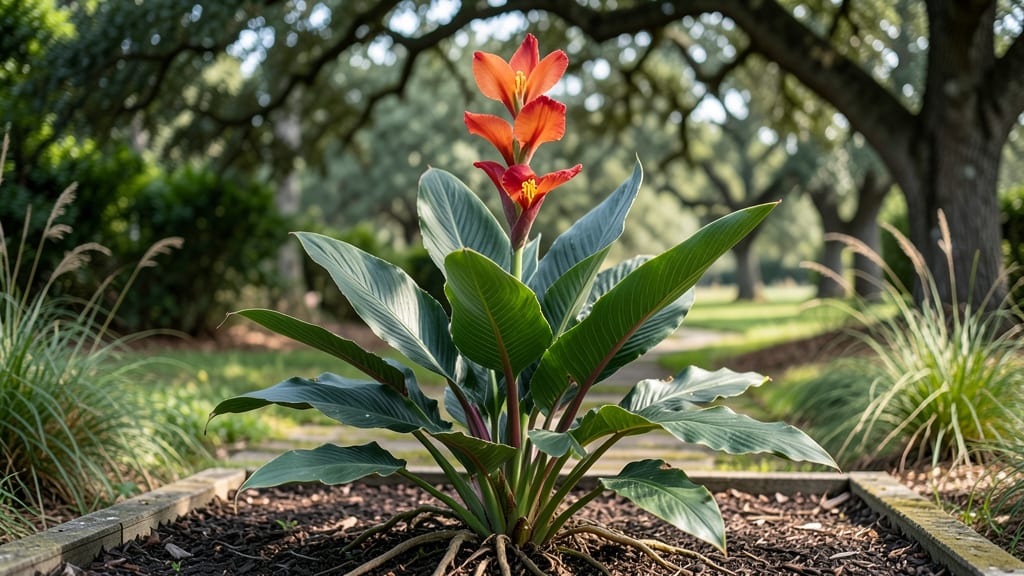
Canna blooms thrive when triggered by the right light conditions—typically between July and September—but getting those vibrant flowers depends on more than just timing.
If your 🌺 canna lilies are sitting pretty with lush foliage but stubbornly refuse to bloom, the secret might lie in understanding their light-dependent triggers. These tropical beauties need a balance of sun and shade, and even a small misstep can delay flowering for weeks.
Most gardeners in USDA Zone 6a expect blooms to kick off in late summer, but regional variations—like earlier starts in warmer climates—can shift that window. The key? Mimicking their natural habitat with the right light exposure and a little strategic care.
In this guide, I’ll break down how sunlight, soil, and even fertilizing schedules work together to extend your canna’s bloom time—so you can enjoy those bold, tropical flowers for weeks longer.
How light exposure directly controls canna bloom time
Canna lilies are short-day plants, meaning their blooming cycle is triggered by reduced daylight hours rather than warmth alone. Unlike long-day plants that flower when days lengthen, cannas need 12-14 hours of darkness to initiate blooming.
This explains why your summer-planted cannas might wait until late summer or early fall to burst into color.
Understanding this light-dependent mechanism is key to predicting bloom time and even manipulating it. For example, in USDA Zone 9, where days remain long into fall, cannas may not bloom until October or November—unless you intervene with light adjustments.
The critical photoperiod (ideal light duration) varies slightly by variety, but most cannas follow this same pattern.
Here’s how light exposure directly controls bloom timing in cannas:
| Light Factor | Effect on Bloom Time | Optimal Range |
|---|---|---|
| Day Length | Longer days delay blooming; shorter days trigger flowers. | 12-14 hours of darkness |
| Light Intensity | Bright, direct sun promotes foliage growth; reduced intensity signals blooming. | 6+ hours sun (full sun), then gradual reduction |
| Timing of Light Reduction | Sudden shade shocks plants; gradual reduction speeds up blooming. | 2-4 weeks before desired bloom time |
| Local Climate | Northern regions bloom earlier; southern regions may need intervention. | Adjust based on USDA Zone (4-11) |
| Artificial Light | Extended light delays blooming; timed blackout periods can force flowers. | 12-hour light max, then 12+ hours dark |
In northern climates (Zones 4-7), cannas often bloom from mid-July to September because days naturally shorten earlier. But in southern zones (8-11), where daylight lingers, blooming can stretch into November or December—or never happen without intervention.
This is why gardeners in Florida or California sometimes use shade cloth or blackout tents to trick cannas into flowering.
To read your local climate for optimal results, check your USDA Zone and note the average day length in late summer. For example, in Zone 6, days drop below 14 hours of light by early August, signaling cannas to bloom.
In Zone 10, this might not occur until October, so you’ll need to shorten daylight artificially if you want flowers by Labor Day.
Another critical factor is light intensity. While cannas thrive in full sun (6+ hours daily) for lush foliage, they need a gradual reduction in light intensity to trigger blooming.
This is why cannas planted in partial shade (like under 30% shade cloth) often bloom earlier than those in full sun. Think of it like a light diet: too much sun keeps them growing leaves, while the right amount of shade sends the signal to flower.
For container-grown cannas, this becomes even more critical because pots overheat easily and can delay blooming. If your potted cannas are sitting in direct afternoon sun, move them to a spot with morning sun and afternoon shade 4-6 weeks before you want flowers.
This mimics the natural day-length reduction that triggers blooming.
Pro tip: Pay attention to your canna’s foliage color. Healthy green leaves mean the plant is happy but not yet ready to bloom.
When you see darker green or reddish hues on the undersides of leaves, it’s a sign the plant is responding to reduced light stress and preparing to flower. This visual cue is your green light to expect blooms soon!
Finally, don’t overlook the role of night temperatures. While light is the primary trigger, cooler evening temps (60-70°F) enhance blooming. In hot climates, use evening shade or mist systems to help cannas transition smoothly into their flowering phase.
With the right light management, you can extend your canna’s bloom season by 4-6 weeks—or even force early blooms for special occasions.
5 Light manipulation techniques to speed up canna blooms
Canna lilies thrive on sunlight, but too much of the wrong kind can delay those showstopping blooms. These tropical beauties are short-day plants, meaning they flower best when daylight hours naturally shorten in late summer.
If your cannas are putting energy into leaves instead of blooms, it’s time to take control of their light exposure. The good news? With a few simple adjustments, you can trick your plants into blooming earlier—or extend their flowering season—without moving them entirely.
Light manipulation works by mimicking seasonal changes. For example, reducing sunlight in early summer can signal your cannas that shorter days are coming, prompting them to shift from vegetative growth to flowering. The key is gradual changes—abrupt shifts can stress the plant.
Whether you’re dealing with overly long days in spring or a slow start in early summer, these techniques will help you fine-tune your cannas’ environment for optimal bloom time.
- 1 Gradual Shade Reduction: Start with 30% shade cloth in early summer, then reduce to 10-20% by mid-July to simulate shorter days. This mimics the natural light decline and triggers blooming.
- 2 Artificial Light Scheduling: Use LED grow lights for 12 hours daily in spring, then reduce to 10 hours by June to create a "short-day" effect. Place lights 18-24 inches above the foliage.
- 3 Partial Morning Shade: Cover plants with lattice or sheer fabric from 10 AM to 2 PM to reduce peak sunlight hours. This mimics the natural light reduction of late summer without full shade.
- 4 Nighttime Light Blocking: Use opaque covers or move pots indoors after 8 PM to limit light exposure. This mimics the natural darkness of shorter days and can accelerate blooming in 4-6 weeks.
- 5 strategic Pruning: Trim 1/3 of the tallest stems in early summer to redirect energy to side shoots. Combine this with reduced sunlight to force blooming on new growth.
Start with technique #1 or #2 if your cannas are in full sun year-round. For container-grown plants, artificial lighting (technique #2) is the most controllable method, especially in urban areas with limited shade options. Monitor your plants closely—you’ll often see bud formation within 3-4 weeks of adjusting light exposure.
If blooms still don’t appear, consider combining light reduction with a balanced fertilizer (like 10-10-10) to provide the nutrients needed for flowering.
Pro tip: Deadhead spent blooms immediately to encourage more flowers. This isn’t a light manipulation technique, but it works hand-in-hand with your light adjustments to extend the bloom time.
The goal is to create an environment where your cannas feel like it’s late summer year-round, even if it’s only June. With patience and precision, you’ll have those dramatic canna blooms gracing your garden months ahead of schedule.
Remember, consistency is key. Canna lilies are sensitive to sudden changes, so stick to your chosen method for at least 4-6 weeks before expecting results.
And if you’re in a hot, humid climate, pair these techniques with regular watering (deep soaks every 2-3 days) to prevent stress from heat or drought.