
Blooming
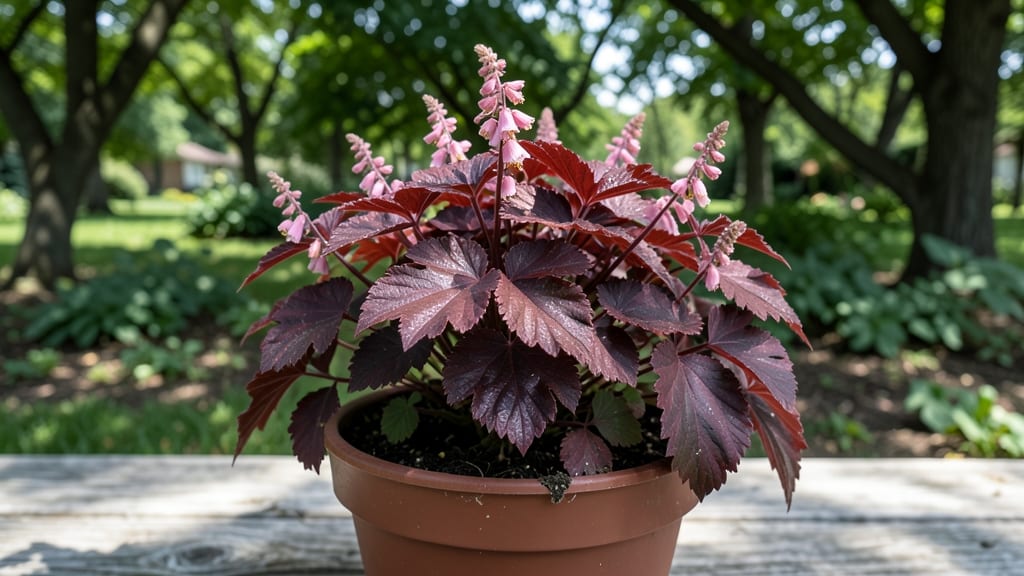
Coral bells bloom time varies wildly—but these cold-hardy varieties surprise you with reblooming after frost when you least expect it. 🌱 I’ve watched my Heuchera ‘Palace Purple’ push through snow, then burst into delicate flowers by late spring, proving frost doesn’t mean the end of your garden’s show.
The secret lies in their USDA zones 3–9 adaptability and how you prune. In colder zones, blooms often wait until May or June, while milder areas (like Zone 8+) may see flowers year-round if winter isn’t harsh. Too much shade or soggy soil?
Flowers fade fast—stick to morning sun and well-draining spots for consistent blooms. After blooming, snip spent stems to encourage fresh foliage growth—that’s when coral bells shine brightest.
The foliage alone is a year-round star, but with the right care, you’ll get two or even three bloom cycles per season. For late bloomers, try fertilizing in early spring with a balanced formula. And if your plants look tired after winter?
A light trim in early March (before new growth) jumpstarts their energy for the season ahead.
📚 In This Guide
- What you need
- Instructions
- Tips and common mistakes
- Wrapping up and next steps
What you need
- ● Coral Bells Plants: 1–3 mature plants (or 10–20 seeds if starting from scratch)
- ● Cold-hardy varieties like Heuchera 'Palace Purple', 'Lavender Lace', or 'Plum Pudding' (check USDA zones 3–9 compatibility)
- ● Soil: 2–3 bags (18–25 lbs each) of well-draining potting mix or garden soil amended with compost (50% soil, 50% compost ratio)
- ○ Perlite or sand (1–2 cups) for improving drainage (optional but recommended)
- ● Planting Supplies: 1 trowel or garden spade
- ● 1 hand pruner (for trimming dead foliage post-frost)
- ● Organic mulch (e.g., shredded bark or straw, 2–3 inches thick)
- ● Watering Tools: Watering can or hose with a gentle spray nozzle
- ○ Drip irrigation kit (optional, for consistent moisture)
- ● Slow-release balanced fertilizer (10-10-10 or 20-20-20, 1 tbsp per plant)
- ● Epsom salt (1 tbsp dissolved in 1 gallon of water for magnesium boost)
- ● Garden gloves (to protect hands from prickly foliage)
- ● Stakes or small rocks (to weigh down tall varieties and prevent flopping)
How to time coral bells blooms for year-round color
Mastering coral bells' bloom cycles means understanding their cold resilience and strategic planting.
🌿 Step 1: Select Cold-Hardy Varieties for Extended Blooms
Choose varieties like Heuchera 'Palace Purple' or 'Lime Rickey'—these thrive in zones 3-9 and rebound beautifully after frost. Their foliage stays vibrant even when flowers fade, creating year-round interest. I always pick varieties with late spring to early summer blooms so they complement spring bulbs like daffodils while avoiding summer heat stress.
Look for labels indicating prolonged bloom periods. Some varieties produce secondary blooms in fall if deadheaded properly. The key is selecting cultivars bred for cold tolerance—these won't bolt or decline when temperatures dip below 25°F. Your local nursery should carry these specific varieties if they're well-adapted to your region's climate patterns.
☀️ Step 2: Position for Optimal Light and Frost Protection
Plant coral bells in partial shade (4-6 hours of morning sun) to prevent leaf scorch while maintaining bloom vigor. I position mine where they receive dappled light through nearby trees—this mimics their native woodland understory conditions. In colder climates, choose spots with afternoon shade to prevent winter desiccation from harsh afternoon sun.
For extended blooming, avoid full sun locations where summer heat causes premature flower drop. Watch for yellowing leaf edges—this is your signal that the plant is getting too much direct sun. Mulch heavily with 3-4 inches of organic mulch to insulate roots through winter and maintain even soil temperatures.
⏰ Step 3: Time Fertilization for Peak Bloom Production
Apply a balanced 10-10-10 fertilizer in early spring as new growth emerges, then again after the first flush of flowers. I use ½ teaspoon per plant worked into the top inch of soil. This timing ensures the plant has energy for both foliage development and flower production without overstimulating late-season growth that might not harden off properly before frost.
Switch to a low-phosphorus fertilizer (5-10-10) after midsummer to prevent leggy growth. You'll see stronger stems and more compact plants when fertilized this way. Water immediately after applying fertilizer to help nutrients penetrate the root zone—coral bells are shallow-rooted and need consistent moisture to utilize fertilizers efficiently.
✂️ Step 4: Deadhead and Prune for Extended Bloom Cycles
Remove spent flower stalks by cutting them back to the nearest leaf node immediately after blooming. This redirects the plant's energy toward new growth rather than seed production. I use clean, sharp pruners to avoid damaging the foliage—healthy leaves are what make coral bells valuable even when flowers fade. Watch for new flower buds forming at the stem bases within 2-3 weeks of deadheading.
In fall, cut back any unsightly foliage but leave the basal rosettes intact—they'll provide winter interest and emerge earlier in spring. The key is never cutting into old wood—always prune back to living tissue. This prevents disease and ensures vigorous regrowth. Your plants will reward you with earlier and more abundant blooms the following season.
🌱 Step 5: Protect from Late Frost for Continuous Color
When nighttime temperatures dip below 30°F but your coral bells still have open blooms, cover them with frost cloth secured with stakes. I've found that even one night of frost can damage delicate flower buds, but the foliage typically survives. Remove the cover during the day to prevent overheating—coral bells need light to maintain their vibrant colors.
In colder climates, consider planting multiple bloom-time varieties to stagger your color display. For example, plant 'Green Spice' (early bloomer) alongside 'Berry Smoothie' (late bloomer) for continuous interest from spring through early summer. This layered approach creates a 3-4 week extension of your bloom period naturally.
Tips & tricks for perfect coral bells blooms
These cold-hardy plants thrive when you understand their unique needs—here's how to maximize their beauty.
Variety Selection: When choosing your coral bells, prioritize cultivars labeled for prolonged bloom periods and cold tolerance. I've found that varieties like 'Palace Purple' and 'Lime Rickey' not only survive frost but actually recover beautifully afterward. That 25°F threshold mentioned in the instructions is critical—plants that can handle these temperatures will reward you with year-round foliage interest even when flowers fade.
Light Management: The 4-6 hours of morning sun in Step 2 is your sweet spot—this mimics their woodland origins. In hotter climates, watch for yellowing leaf edges as your early warning sign of too much sun. I've seen plants in full afternoon sun wilt dramatically by midday. For extended blooming, position them where they get filtered light through nearby trees or shrubs, which prevents the heat stress that causes premature flower drop.
Fertilization Timing: The two fertilization windows—early spring and after first blooms—are non-negotiable for peak performance. That ½ teaspoon per plant measurement is precise: too much fertilizer later in the season can lead to leggy growth that won't harden off properly before frost. I always water immediately after applying fertilizer to help those shallow roots absorb nutrients efficiently. The switch to low-phosphorus fertilizer after midsummer is what prevents that weak, spindly growth that plagues many gardeners.
Pruning Strategy: When deadheading in Step 4, cut back to the nearest leaf node—this isn't just about looks, it's about redirecting energy toward new growth. I've seen plants produce secondary blooms within 2-3 weeks when deadheaded properly. And that fall pruning tip about leaving basal rosettes? It's what gives you those early spring blooms before most perennials even think about waking up.
Pro Tips for Coral Bells Bloom Time
- These cold-hardy plants thrive when you understand their unique needs—here's how to maximize their beauty.
- Variety Selection: When choosing your coral bells, prioritize cultivars labeled for prolonged bloom periods and cold ...
- Light Management: The 4-6 hours of morning sun in Step 2 is your sweet spot—this mimics their woodland origins. In ho...
Frequently asked questions
Got questions about when and how coral bells bloom—or how to keep them thriving? Here are some of the most common queries from gardeners, answered in a flash!
When do coral bells (Heuchera) typically bloom?
Most coral bells bloom in late spring to early summer, producing delicate, bell-shaped flowers on tall spikes. However, timing varies by variety—some early bloomers like Heuchera 'Palace Purple' may flower as early as April, while others peak in June. Focus on foliage first; the flowers are a bonus!
Will coral bells bloom after a hard frost?
Coral bells are frost-tolerant, but blooms may be delayed or reduced if frost hits early. Cold-hardy varieties (like Heuchera 'Plum Pudding') often rebound beautifully, but expect flowers to appear 1–2 weeks later than usual. Protect young plants with mulch if frost is forecasted!
Why aren’t my coral bells blooming this year?
No flowers? Check these culprits:
- Too much nitrogen (fertilizer) = lush leaves, no blooms.
- Overcrowding or shade can suppress flowering.
- Older plants (3+ years) may bloom less—divide them in spring!
Are there coral bells that bloom in fall?
Most coral bells are spring/summer bloomers, but a few varieties like Heuchera 'Berry Smoothie' or Heuchera 'Lavender Lace' may produce late-summer to fall blooms in mild climates. For fall color, prioritize foliage—it’s their real showstopper!
Can I extend coral bells’ bloom time?
Yes! Prune back spent flower spikes in early summer to encourage a second bloom cycle. Ensure they get 6+ hours of sun (more = longer blooms) and avoid heavy feeding with high-nitrogen fertilizer. Mulching keeps roots cool, too!
Wrapping up and next steps
Coral bells (Heuchera) are a gardener’s dream—vibrant, resilient, and stunning year after year. Their bloom time may be brief, but their foliage steals the show, especially when you choose cold-hardy varieties like 'Palace Purple' or 'Berry Smoothie.'
With the right care, these beauties will rebound beautifully after frost, rewarding you with lush color and texture.
Ready to transform your garden? Start small—pick one variety, test your local climate, and watch your coral bells thrive! 🌿✨ Shop hardy plants or join a gardening community for tips and inspiration.