
Blooming
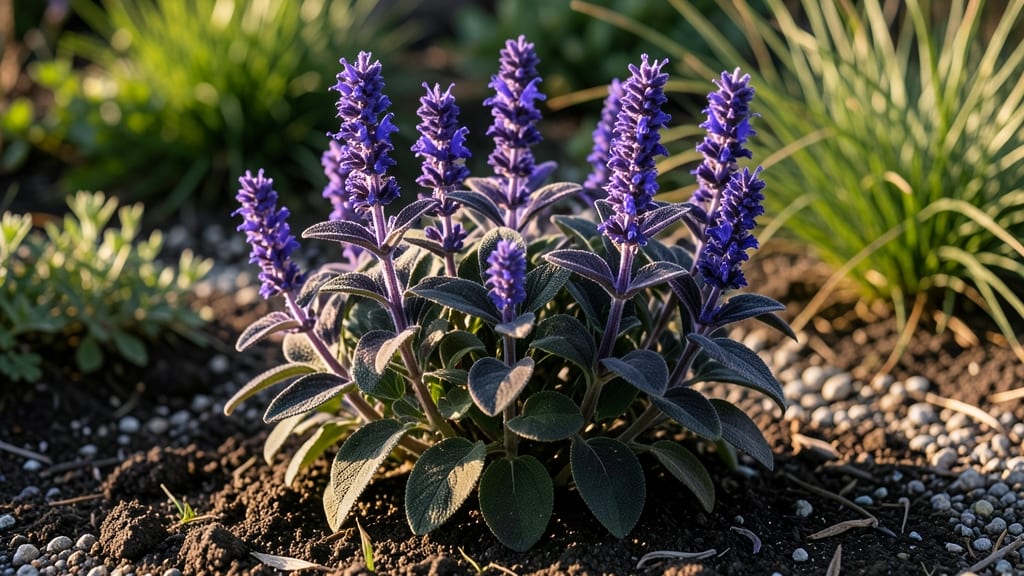
Black and Bloom sage transforms your garden into a moody purple masterpiece that thrives through every season. 🌿 The deep velvety foliage and fragrant lavender-purple spikes create a striking contrast against silver foliage plants or bright yellow blooms—it’s the kind of plant that makes neighbors pause and ask, "What is that?"
The best part? It comes back year after year, even after frost, with minimal fuss. This sage plays beautifully in containers, borders, or pollinator gardens, where its vertical spikes draw bees and butterflies.
Pair it with lavender for a soothing purple palette or mix in ornamental grasses for a textural dance of colors. In full sun, it stays compact (about 2 feet tall and wide), making it perfect for small spaces without sacrificing drama.
The real magic happens in late summer and fall, when the purple blooms fade into soft seed heads that add winter interest. Prune lightly in early spring to shape it, but otherwise, let it grow wild—it’s the kind of plant that rewards laziness with beauty.
The fragrance alone is worth the space it takes up. For a nailed-it garden design, use Black and Bloom sage as a focal point in mixed borders or as a striking centerpiece in pots. Its dark foliage grounds brighter plants, while the blooms add height and movement.
Once you plant it, you’ll wonder why you didn’t fill your garden with it sooner.
📚 In This Guide
- What you need
- Instructions
- Tips and common mistakes
- Wrapping up and next steps
What you need
- ● Black and Bloom Sage Plant: 1 nursery-grown plant (6-inch pot or bare root)
- ● OR 1-2 seeds (if starting from scratch)
- ● Well-Draining Soil: 5 gallons of potting mix (for containers) OR
- ● Amended garden soil (mix in 30% perlite or sand for drainage)
- ● Sunlight: Full sun (6+ hours of direct light daily)
- ● Watering Can or Hose: 1 with a rose attachment (for gentle watering)
- ● Pruning shears (for shaping)
- ● Garden gloves (to protect hands)
- ● Mulch (2-3 inches of gravel or pine bark to retain moisture)
- ● Fertilizer (balanced 10-10-10 or low-nitrogen option)
Step-by-step guide to planting and caring for Black and Bloom Sage
Here's how I grow this stunning perennial that thrives through winters and bursts back with fragrant purple blooms.
🪴 Step 1: Choose the Right Location and Prepare the Soil
Black and Bloom Sage loves full sun—at least 6 hours daily—so pick a south-facing spot in your garden. I always test the soil first because this variety prefers well-draining, slightly alkaline conditions. If your soil is heavy clay, mix in 2-3 inches of compost and a handful of perlite to improve drainage.
Loosen the soil to a depth of 12 inches with a garden fork or tiller. Break up any clumps and remove rocks or debris. The goal is loose, airy soil that won't trap moisture around the roots. If your soil is acidic (pH below 6.5), add dolomitic lime according to package instructions to raise the pH slightly.
🌱 Step 2: Plant at the Right Depth and Spacing
Dig a hole twice as wide as the root ball and just as deep. Gently remove the plant from its container and tease apart any circling roots. Place the sage in the hole so the top of the root ball sits even with the surrounding soil level. Black and Bloom Sage spreads, so space plants 2-3 feet apart to give them room to grow.
Fill the hole with soil, pressing lightly to remove air pockets. Water deeply to settle the soil and encourage roots to spread outward. You'll see the first leaves perk up within 3-5 days—that's your sign the plant is happy. Mulch around the base with 2 inches of organic mulch to retain moisture and regulate soil temperature.
☀️ Step 3: Water and Fertilize for Healthy Growth
Water deeply once a week during the first growing season, allowing the top 2 inches of soil to dry out between waterings. Overwatering is the biggest mistake—this sage variety is drought-tolerant once established. You'll know it's thirsty when the leaves start to wilt slightly in the afternoon. A quick drink of water revives them instantly.
Fertilize lightly in early spring with a balanced, slow-release fertilizer (10-10-10). I use about ½ teaspoon per plant worked into the top inch of soil. Avoid high-nitrogen fertilizers—they encourage leafy growth at the expense of those stunning purple flower spikes. Prune back any leggy growth in late spring to encourage bushier, more compact plants.
✂️ Step 4: Prune and Maintain Through the Seasons
After the first flush of blooms fades, trim back the spent flower spikes by ⅓ of their height to encourage a second round of blooms. This sage variety is known for its long bloom season, and regular pruning keeps it looking tidy. I always use clean, sharp pruners to avoid damaging the stems.
In late fall, cut back the plant by half its height to promote new growth in spring. Black and Bloom Sage is hardy to USDA Zone 5, meaning it survives winter frosts and returns year after year. The woody stems will die back, but the roots stay alive, ready to burst with new growth when temperatures rise.
⏰ Step 5: Overwinter and Prepare for Next Year
In late autumn, apply a 2-inch layer of mulch around the base of the plant to protect the roots from freezing temperatures. This extra insulation helps the plant survive harsh winters. I also avoid pruning in late fall—wait until early spring to trim back any dead or damaged growth.
Come spring, remove the old mulch and replace it with fresh. Water lightly to wake up the roots, and watch for new growth within 2-3 weeks. This is the moment you'll see why Black and Bloom Sage is worth the effort—those vibrant purple flower spikes return year after year, fragrant and ready to brighten your garden.
Tips & tricks for perfect Black and Bloom Sage planting
These simple strategies will help your Black and Bloom Sage thrive and reward you with stunning purple blooms year after year.
Sunlight Secret: While the instructions mention 6 hours of full sun daily, I've found that 8 hours or more produces even more vibrant blooms. If your garden gets afternoon shade, position the plant where it gets the most sun possible during morning hours. The purple flower spikes develop their deepest color with maximum sunlight exposure.
Soil Prep Pro Tip: When amending heavy clay soil with 2-3 inches of compost and perlite, I like to add a handful of coarse sand too. This creates even better drainage while maintaining soil structure. Test your soil's pH after amending—aim for 7.0-7.5 (slightly alkaline) for optimal Black and Bloom Sage performance. You can use a simple soil test kit from your garden center.
Planting Depth Check: The instructions specify placing the root ball even with the surrounding soil level, but here's what I've learned: If your soil is particularly dense, you can plant it ½ inch deeper than the root ball. This provides extra stability for the plant's upright growth habit. Just avoid burying the top of the plant too deeply, as this can cause stem rot.
Watering Wisdom: While the 2 inches of soil drying between waterings guideline works well, I've noticed that in extremely hot summers, I need to water every 5-6 days instead of weekly. The key is to check the soil moisture with your finger—if the top 2 inches feel dry, it's time to water. Mornings are always better than evenings to prevent fungal issues.
Pro Tips for Black And Bloom Sage
- These simple strategies will help your Black and Bloom Sage thrive and reward you with stunning purple blooms year after year.
- Sunlight Secret: While the instructions mention 6 hours of full sun daily, I've found that 8 hours or more produces even more vibrant blooms.
- Soil Prep Pro Tip: When amending heavy clay soil with 2-3 inches of compost and perlite, I like to add a handful of coarse sand too.
Frequently asked questions
Got questions about Black and Bloom Sage? You’re not alone—this stunning perennial steals the show with its fragrant purple blooms and hardy nature. Here are answers to the most common queries to help you grow with confidence!
How do I know if my Black and Bloom Sage is healthy?
Healthy Salvia officinalis 'Black and Bloom' has glossy, deep purple-green leaves and sturdy stems. Yellowing leaves may signal overwatering, while crispy edges often mean dry air or underwatering. No blooms? Check sunlight—it thrives in full sun (6+ hours/day) and may need more fertilizer (like a balanced 10-10-10) in spring.
Will Black and Bloom Sage die back in winter, and how do I protect it?
Yes! This sage is deciduous and will drop leaves after frost, but it’s perennial and regrows in spring. No heavy mulching needed—just a light layer (2–3 inches) of shredded bark or straw around the base to insulate roots. In extreme cold zones (below Zone 5), a breathable cloth cover works too.
Can I grow Black and Bloom Sage in containers?
Containers are great for this sage—just use a well-draining pot (at least 12 inches wide) with sandy or gravelly soil. Add perforated drainage holes to prevent root rot. Prune back by ⅓ in early spring to encourage bushier growth. Pro tip: Move pots to a sunny spot in winter if temps dip below 20°F.
How do I revive a leggy or woody Black and Bloom Sage?
Leggy or woody stems? It’s time to rejuvenate! Cut back ⅓ of the oldest stems in late winter or early spring to encourage new growth. For severely woody plants, prune half the plant to the ground—it’ll bounce back with fresh foliage. Avoid heavy pruning in fall to prevent weak regrowth before winter.
Are there alternatives if I can’t find Black and Bloom Sage?
If this variety’s sold out, try these fragrant, purple-hued sages:
- Purpurascens Sage – Classic purple foliage, drought-tolerant.
- May Night Sage – Deep purple leaves with lavender blooms.
- Berggarten Sage – Compact, silvery-purple leaves, great for borders.
Wrapping up and next steps
Black and Bloom Sage is a stunning, low-maintenance perennial that rewards gardeners with vibrant purple blooms and fragrant foliage—year after year! Its resilience after frost makes it a must-have for any garden, offering both beauty and ease.
Whether you're a seasoned gardener or just starting, this plant proves that elegance and hardiness go hand in hand.
Ready to transform your garden? Grab your gloves, pick a sunny spot, and let the magic of Black and Bloom Sage unfold! 🌿✨