
Blooming
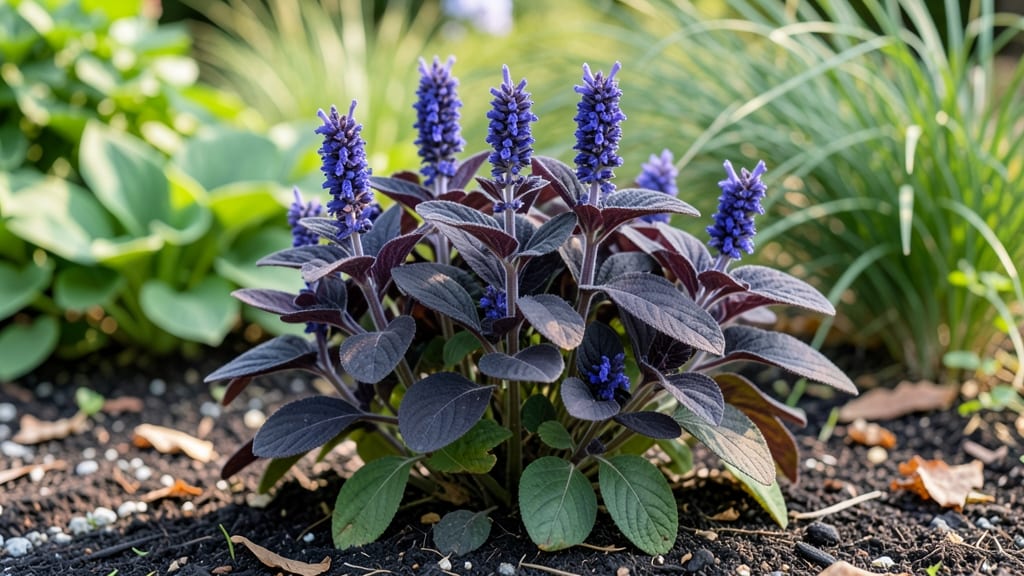
These velvety black-and-bloom salvias refuse to quit—even after frost. 💜 I fell for them the first time I saw their dramatic spikes rising from the garden bed, their deep hues contrasting sharply against silver foliage.
They’re the kind of plant that makes neighbors pause and ask, "What’s that?"—and then want one for themselves.
Black and Bloom salvias thrive in full sun and well-drained soil, where they reward you with bold, 3-foot-tall spikes that bloom repeatedly from early summer through fall.
Their dark foliage adds drama, while the purple blooms attract hummingbirds and bees. The best part? They bounce back after winter, often flowering again in spring.
Use them as a focal point in borders, pair them with silver foliage plants like lamb’s ear, or tuck them into containers with trailing plants for a striking contrast. Nearby, try purple coneflowers or lavender to echo their color palette and extend the season’s interest.
They’re low-maintenance but high-impact—just prune spent blooms to encourage more flowers, and watch your garden transform into a pollinator magnet. Trust me, once you plant these, you’ll never want to go back to ordinary purple flowers again.
📚 In This Guide
- What you need
- Instructions
- Tips and common mistakes
- Wrapping up and next steps
What you need
- ● Black and Bloom Salvia Plants: 1–3 nursery-grown plants (check for healthy foliage and sturdy stems).
- ● Well-Draining Potting Mix: 3–5 gallons (or enough to fill your container). Use a blend of cactus/succulent mix (60%) + perlite or pumice (40%) for optimal drainage.
- ○ Containers (Optional for Potted Growth): 1–2 5–7 gallon pots with drainage holes (terracotta or fabric pots work best).
- ● OR a garden bed in full sun with amended soil (if planting outdoors).
- ● Sunlight: 6+ hours of direct sun daily (morning sun is ideal to prevent scorching).
- ● Watering Can or Drip Irrigation: With a narrow spout to avoid wetting foliage (prevents fungal issues).
- ● Slow-Release Fertilizer: 1–2 tbsp of balanced 10-10-10 or low-phosphorus fertilizer (like Osmocote) mixed into soil at planting.
- ● Pruning Shears: Sharp, bypass-style shears for deadheading or shaping (sterilize with rubbing alcohol between cuts).
- ● Gloves: Garden or work gloves (salvias can be slightly prickly!).
- ○ Mulch: 1–2 inches of gravel or pebbles around the base to retain moisture and deter weeds (optional but recommended).
- ● pH Test Kit: To check soil pH (6.0–7.0 is ideal)—salvias thrive in slightly acidic to neutral soil.
- ● Frost Cloth: Lightweight frost protection fabric (if growing in colder zones below Zone 7).
- ● Stakes or Trellis: For tall varieties (though Black and Bloom stays compact, ~2–3 ft tall).
Step-by-step guide to growing black and Bloom salvias
Here's how to cultivate these drought-tolerant, frost-resistant perennials that deliver dramatic purple blooms year after year.
🌱 Step 1: Select the Right Planting Location
Black and Bloom salvias thrive in full sun to partial shade, with at least 6 hours of direct sunlight daily. Choose a spot with well-draining soil—they despise soggy roots. I always test drainage by digging a 12-inch deep hole and filling it with water; if it drains within 1 hour, the site is perfect.
These salvias handle heat exceptionally well, making them ideal for hot, dry climates. If your summers are mild, they'll also tolerate morning sun with afternoon shade. The key is avoiding waterlogged conditions, which lead to root rot and stunted growth.
💧 Step 2: Prepare Soil and Plant with Proper Spacing
Amend native soil with 2-3 inches of compost to improve fertility and drainage. Salvias prefer slightly alkaline soil, so if your soil tests acidic, add 1 cup of crushed limestone per planting hole. Mix it in thoroughly to avoid localized pH spikes.
Space plants 18-24 inches apart to allow airflow and prevent fungal diseases. Dig holes twice as wide as the root ball but only as deep as the container's root level. Gently remove the plant from its container, loosen the roots if pot-bound, and place it in the hole so the top of the root ball sits ½ inch below soil level.
☀️ Step 3: Water Deeply and Establish a Drought-Tolerant Routine
Water immediately after planting to settle the soil around roots, then water deeply once a week during the first growing season. You'll know you're watering correctly when the soil is moist 6 inches deep—use a moisture meter or stick your finger in to check. Overwatering is the fastest way to kill salvias.
Once established, these plants are remarkably drought-tolerant. After the first year, reduce watering to every 2-3 weeks unless your region experiences extreme heat or drought. The deep purple blooms signal healthy, well-adapted plants—no wilting or yellowing leaves should appear if moisture is right.
✂️ Step 4: Prune for Winter Hardiness and Spring Rebound
In late fall, cut back stems to 4-6 inches tall to encourage new growth in spring. This pruning also prevents winter dieback from heavy snow or ice. I always use clean, sharp pruners to avoid tearing stems, which invites disease.
Black and Bloom salvias are one of the few perennials that truly rebound after frost. Even if stems blacken in winter, the roots survive and produce fresh growth in spring. Remove any dead or damaged stems in early spring, then apply a 2-inch layer of mulch around the base to protect roots from temperature swings.
🌿 Step 5: Fertilize Lightly and Encourage Repeat Blooming
Feed plants in early spring with a balanced, slow-release fertilizer (10-10-10) at half strength. Salvias don't need heavy feeding—they prefer lean soil. Over-fertilizing leads to lush foliage but fewer blooms. I also sprinkle a handful of bone meal around the base in spring to boost phosphorus for strong root development.
Deadhead spent blooms by pinching off the flower spikes just above a set of leaves. This encourages a second flush of blooms in late summer. The more you deadhead, the longer your salvias will flower—some varieties keep blooming until the first hard frost.
Tips & tricks for thriving black and Bloom salvias
Here's what nobody tells you about keeping these hardy perennials looking their absolute best year after year.
Location Intelligence: The 6 hours of daily sunlight requirement is non-negotiable, but don't assume all full-sun spots are equal. Test your site's drainage using the 12-inch hole method before planting—salvias will forgive heat but never forgive soggy roots. I've seen them thrive in areas that get afternoon shade in hot climates, but morning sun with afternoon shade works better in cooler regions where intense afternoon rays can scorch the foliage.
Soil Science: That 2-3 inches of compost isn't just about fertility—it's about creating the perfect air-to-water ratio in the soil. If your soil tests acidic, the 1 cup of crushed limestone per hole is crucial but must be mixed thoroughly. I've learned the hard way that uneven limestone distribution creates localized pH spikes that can actually harm roots. Think of it like seasoning a dish—you want even distribution, not pockets of intensity.
Watering Wisdom: The 6-inch deep moisture check is your best friend during the first year. I've seen gardeners water daily only to drown their salvias—these plants need deep, infrequent watering that encourages strong root development. Once established, the every-2-to-3-weeks schedule might seem extreme, but trust the process. The deep purple blooms are your reward for proper water management.
Pruning Precision: When cutting back to 4-6 inches in late fall, aim for just above a leaf node where new growth will emerge. I use my clean pruners to make a sharp cut at a 45-degree angle to prevent water from pooling on the stem. This simple technique reduces disease risk dramatically. The 2-inch mulch layer isn't just for insulation—it also helps retain moisture during those early spring thaws when roots are most vulnerable.
Pro Tips for Black And Bloom Salvias
- Here's what nobody tells you about keeping these hardy perennials looking their absolute best year after year.
- Location Intelligence: The 6 hours of daily sunlight requirement is non-negotiable, but don't assume all full-sun spots are equal.
- Soil Science: That 2-3 inches of compost isn't just about fertility—it's about creating the perfect air-to-water ratio in the soil.
Frequently asked questions
about Black and Bloom Salvias—because even the hardiest plants need a little extra love! Here are answers to the most common questions to help you grow these stunning, frost-resistant beauties with confidence.Can Black and Bloom Salvias survive winter frost?
These salvias are frost-tolerant and can survive light frosts down to 20°F (-6°C). Their deep purple-black foliage and vibrant blooms often rebound even stronger after a cold snap. Just protect them from hard freezes (below 15°F/-9°C) with mulch or frost cloth if you’re in a colder zone.
When is the best time to plant Black and Bloom Salvias?
Plant them in early spring or fall for the best results. This gives roots time to establish before summer heat or winter cold. If planting in summer, keep soil consistently moist and provide afternoon shade until they adjust. Avoid transplanting during extreme heat or cold.
How often should I water Black and Bloom Salvias?
Water deeply but infrequently—about once a week (or when the top inch of soil is dry). These drought-tolerant plants hate soggy roots, so ensure well-draining soil. Once established, they thrive on neglect—just don’t let them dry out completely during their first growing season.
Are there any alternatives if Black and Bloom Salvias don’t thrive in my climate?
If your zone is too cold (below 5b) or too hot/humid, consider these low-maintenance alternatives:
- May Night Salvia – Similar dark foliage, slightly more cold-hardy.
- Bee’s Bliss Salvia – Bright red blooms, drought-resistant, and deer-resistant.
- Autumn Sage (Cleveland Sage) – Fragrant, drought-tolerant, and thrives in heat.
Why aren’t my Black and Bloom Salvias blooming?
Lack of blooms usually stems from over-fertilizing (too much nitrogen = leafy growth, not flowers) or not enough sunlight (they need 6+ hours of full sun). Try:
- Pruning spent blooms to encourage new flowers.
- Using a low-phosphorus fertilizer (like 5-10-5) in early spring.
- Ensuring they’re in well-draining soil—poor drainage stresses plants.
Wrapping up and next steps
Black and Bloom Salvias are resilient, stunning additions to any garden, offering bold purple blooms that defy frost and thrive with minimal fuss. Their ability to rebound after cold snaps and attract pollinators makes them a must-have for both beginners and seasoned gardeners alike.
Ready to transform your outdoor space? Start by selecting the right variety—whether for containers, borders, or pollinator-friendly gardens—and watch your garden burst into life with these hardy beauties! 🌿✨