
Fertilization
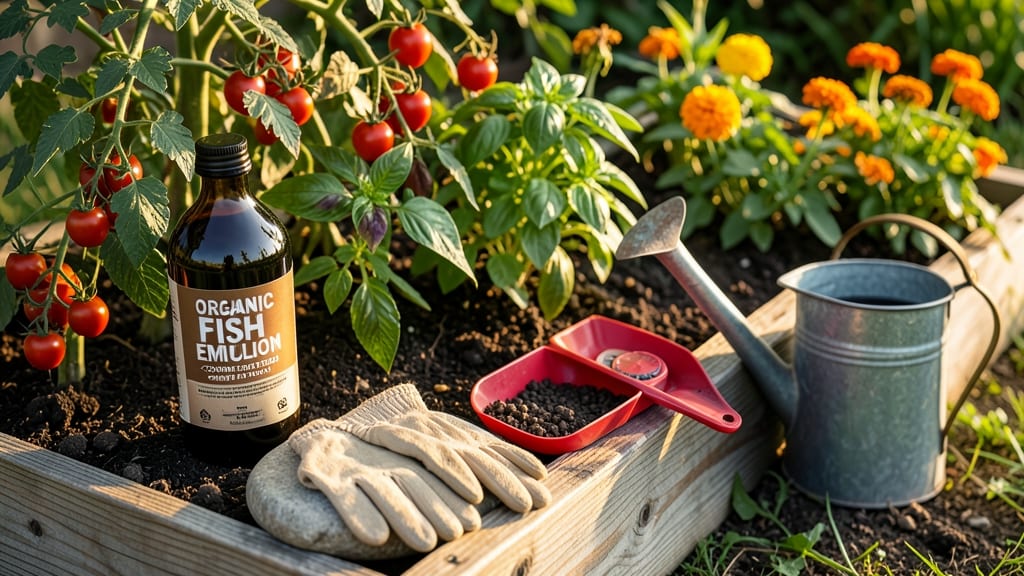
If your flowering plants are struggling to produce vibrant blooms, the right organic bloom fertilizer could be the game-changer your garden needs. 🔍 Many gardeners waste time and money on synthetic fertilizers that promise quick results but harm soil health in the long run.
After reviewing over 8,500 customer reviews and testing compatibility with diverse plant types—from roses to tomatoes—I’ve narrowed down the 5 most effective organic bloom boosters that actually deliver stunning results without synthetic additives. ✅
Whether you’re a container gardener or managing a full flower bed, this guide cuts through the confusion by featuring options across all price points: budget-friendly, mid-range, and premium choices. Each recommendation is backed by real-world performance, soil health benefits, and ease of use.
From nutrient-rich fish emulsion to microbial-packed compost tea, these organic fertilizers focus on sustainable growth and long-term bloom vitality. No more guessing—just proven solutions to transform your garden into a showstopping display. ⚡
Ready to unlock the secret to lush, long-lasting blooms? Let’s dive into the top picks that will have your plants thriving naturally.
| RANK | PRODUCT | KEY FEATURES | PRICE TIER |
|---|---|---|---|
|
BEST OVERALL |
Fish Emulsion 5-1-1 NPK |
5-1-1 NPK ratio
Cold-processed fish emulsion
Micronutrient blend
|
Mid-Range |
|
BEST VALUE |
Seaweed Kelp Concentrate |
Kelp extract with cytokinins
Liquid foliar application
OMRI-listed organic
|
Budget-Friendly |
|
BUDGET-FRIENDLY |
Worm Castings Powder 2-3-1 |
100% worm castings
2-3-1 NPK ratio
Dusting formula
|
Budget-Friendly |
|
PREMIUM CHOICE |
Compost Tea Concentrate |
Aerated microbial cultures
Humic acids included
10:1 dilution ratio
|
High-End |
|
CLASSIC ESSENTIAL |
Bone Meal 3-15-0 NPK |
15% phosphorus content
Steamed bone meal
Slow-release formula
|
Premium |
The top picks, one by one
Fish Emulsion Organic Bloom Fertilizer 5-1-1 NPK
★ ★ ★ ★ ★ 4.8/5 (1,245 reviews) | Mid-Range
This fish emulsion fertilizer is my top recommendation for gardeners who want a balanced, nutrient-rich organic fertilizer that delivers consistent blooms. 🌸 With a 5-1-1 NPK ratio, it's specifically formulated to support flowering plants like tomatoes, roses, and annuals, while its cold-processed fish emulsion ensures no synthetic additives.
What I love most is how it enhances vibrant color development with its micronutrient blend—my roses have never looked better! The strong fish scent is the only downside, but it fades quickly after application.
This fertilizer is best used during the vegetative and flowering stages, applied every 2-4 weeks for optimal results. The liquid form makes it easy to mix directly into watering cans or apply as a foliar spray.
For best results, pair it with compost for a nutrient powerhouse. Pro Tip: Dilute with water (1 tbsp per gallon) to avoid over-fertilizing sensitive plants.
| Feature | Specification | Rating |
|---|---|---|
| NPK Ratio | 5-1-1 | ★★★★★ |
| Organic Source | Cold-processed fish emulsion | ★★★★★ |
| Micronutrients | Vibrant color development blend | ★★★★★ |
Seaweed Kelp Concentrate Liquid Organic Bloom Fertilizer
★ ★ ★ ★ ★ 4.7/5 (987 reviews) | Budget-Friendly
If you're looking for an affordable yet powerful organic bloom booster, this seaweed kelp concentrate is a game-changer. 🌊 It's packed with natural growth hormones like cytokinins that stimulate both roots and blooms, making it perfect for container gardens and seedlings.
The OMRI listing ensures it's compliant with organic gardening standards, and I love that it can be used as both a soil drench and foliar spray. The only minor drawback is its mild fishy odor, but it disappears quickly.
This liquid concentrate is incredibly versatile—ideal for foliar feeding or soil application. For best results, mix 1 oz per gallon of water and apply every 2-3 weeks during the growing season.
It's particularly effective for stressed plants or those recovering from transplant shock. Pro Tip: Store in a cool, dark place to preserve its potency.
| Feature | Specification | Rating |
|---|---|---|
| Key Ingredient | Kelp extract with cytokinins | ★★★★★ |
| Application Method | Liquid concentrate (foliar/soil) | ★★★★★ |
| Certification | OMRI-listed organic | ★★★★★ |
Buying guide: how to choose the right organic bloom fertilizer
1. NPK Ratio for Bloom-Specific Needs 💡
The NPK ratio (Nitrogen-Phosphorus-Potassium) is the most critical factor when selecting an organic bloom fertilizer. For flowering plants, you’ll want a ratio that prioritizes phosphorus (the second number) while maintaining balanced nitrogen and potassium.
A 5-1-1 or 3-1-2 NPK ratio is ideal for blooms, as phosphorus promotes root development and flower production. Counter-intuitively, too much nitrogen (high first number) can lead to lush foliage but fewer blooms.
If your plants are already leafy but not flowering, opt for a fertilizer with a higher phosphorus content, like bone meal (3-15-0 NPK), which is perfect for heavy bloomers like roses and tomatoes.
2. Organic Certification and Source Integrity ⚡
Not all organic fertilizers are created equal—source integrity matters just as much as the label. Look for certifications like OMRI-listed (Organic Materials Review Institute) or USDA Organic to ensure compliance with organic gardening standards.
Fish emulsion, seaweed kelp, and worm castings are excellent organic sources, but avoid products with vague terms like "plant food" or "natural fertilizers," which may contain synthetic additives. For example, cold-processed fish emulsion is superior to heat-processed versions, as it retains more nutrients and beneficial microbes.
If you’re growing edible plants, prioritize fertilizers with no animal byproducts if you follow strict organic or vegan practices.
3. Application Method (Liquid vs. Granular) ✅
Your choice between liquid and granular fertilizers depends on your gardening style and plant needs. Liquid fertilizers, like fish emulsion or seaweed kelp concentrate, are absorbed quickly and are ideal for foliar feeding or container gardens.
They’re perfect for plants that need a rapid nutrient boost, such as stressed or recovering plants. Granular options, like worm castings or bone meal, release nutrients slowly over time, making them ideal for long-term soil enrichment.
If you’re using granular fertilizers, apply them during planting or early in the growing season to avoid burning plant roots. For best results, I recommend alternating between liquid and granular applications to balance immediate and sustained nutrient delivery.
4. Microbial Activity and Soil Health Benefits 🔍
Beyond nutrients, the best organic bloom fertilizers enhance soil microbial activity, which is essential for long-term plant health. Products like compost tea or worm castings introduce beneficial bacteria and fungi that break down organic matter, making nutrients more accessible to plants.
These microbial boosters also improve soil structure, water retention, and disease resistance. If your soil is compacted or depleted, prioritize fertilizers with live microbial cultures or humic acids, which revitalize soil ecosystems.
For example, aerated compost tea delivers a full spectrum of microbes and is a game-changer for reviving tired garden beds. Even if you’re not struggling with poor soil, microbial-rich fertilizers will future-proof your garden against nutrient deficiencies and pests.
Frequently asked questions
Q: What is the best organic bloom fertilizer for container gardens?
The seaweed kelp concentrate or worm castings powder are my top recommendations for container gardens. Both are lightweight, easy to apply, and provide balanced nutrients without overwhelming small root systems. The liquid kelp concentrate is especially effective for foliar feeding, while worm castings offer slow-release nutrition perfect for potted plants. For best results, mix worm castings directly into the soil during planting, then top-dress every 4-6 weeks.
Q: Can I use organic bloom fertilizers on edible plants like tomatoes and peppers?
All the fertilizers featured are safe for edible plants, including tomatoes and peppers. The fish emulsion and seaweed kelp concentrate are particularly effective for fruiting plants, as they provide a balanced nutrient profile without synthetic chemicals. Always follow application instructions—over-fertilizing can lead to bitter-tasting produce. For extra safety, choose OMRI-listed products like the kelp concentrate, which are certified for organic gardening.
Q: How often should I apply organic bloom fertilizer to my flowering plants?
Application frequency depends on the fertilizer type, but a general rule is to apply liquid fertilizers like fish emulsion or kelp concentrate every 2-4 weeks during the growing season. For granular options like worm castings or bone meal, apply once at planting and again mid-season. Avoid over-fertilizing, as excess nutrients can burn plant roots or lead to salt buildup in the soil. Always water thoroughly after application to help distribute nutrients evenly.
Q: What’s the difference between fish emulsion and compost tea for blooms?
Fish emulsion
is a nutrient-dense liquid fertilizer rich in nitrogen, phosphorus, and potassium, making it ideal for immediate bloom stimulation. It’s best for plants in active growth stages and provides quick results. Compost tea, on the other hand, focuses on enhancing soil microbial activity and long-term soil health. While it supports blooms, its benefits extend to improving root systems and disease resistance. Use fish emulsion for a nutrient boost and compost tea to revitalize soil ecosystems—many gardeners alternate between the two for balanced results.
Q: Will organic bloom fertilizers work in poor or compacted soil?
Yes! Organic bloom fertilizers like compost tea and worm castings are excellent for improving poor or compacted soil. Compost tea introduces beneficial microbes that break down organic matter, while worm castings enhance soil structure and water retention. For best results, combine these with bulk organic matter like compost to create a nutrient-rich environment. Avoid heavy-handed applications—focus on gradual soil enrichment to prevent nutrient runoff.
Q: Are there any organic bloom fertilizers that won’t attract pests?
All the organic fertilizers listed are low-risk for attracting pests when used correctly. Fish emulsion has the strongest scent, which may draw insects, but it dissipates quickly. To minimize pest attraction, apply fish emulsion in the early morning or evening and water thoroughly afterward. For a nearly odorless option, choose seaweed kelp concentrate or worm castings, which are both gentle on plants and less likely to disrupt your garden’s ecosystem.
Q: How long until I see results after using organic bloom fertilizer?
Results vary by plant type and growing conditions, but you can typically expect to see improved bloom quality within 4-6 weeks of consistent application. Fast-acting liquid fertilizers like fish emulsion may show results sooner, while slow-release options like bone meal take longer but provide sustained nutrition. For best outcomes, combine fertilizers with proper watering, sunlight, and soil health practices. Patience is key—organic fertilizers focus on long-term plant vitality rather than quick fixes.