
Blooming
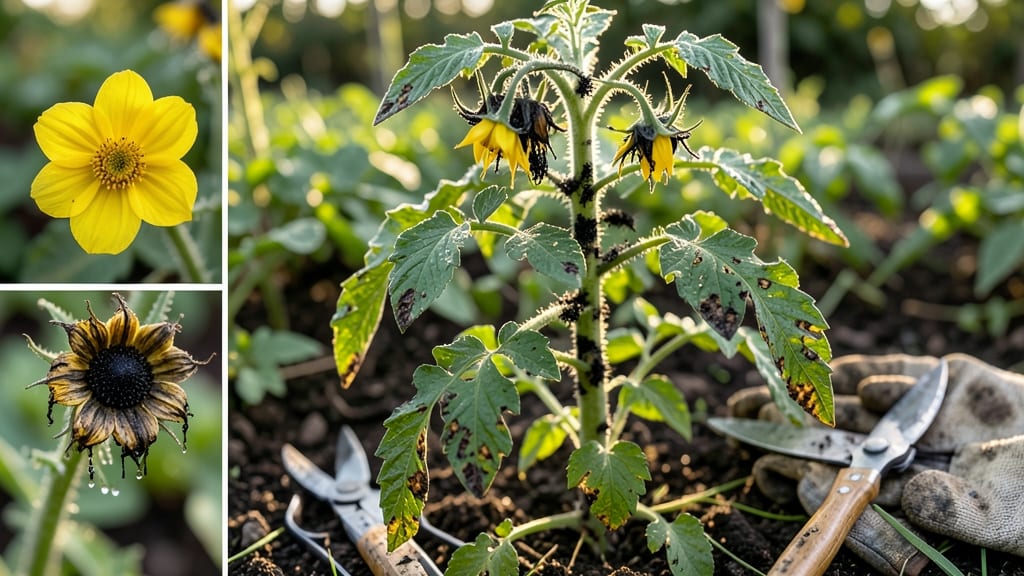
Your tomato harvest doesn’t have to end in blackened, rotted blossoms—bloom rot in tomatoes is preventable, and I’ve saved more than a few seasons with these simple fixes. 🌱 The moment I noticed wilting flowers and those telltale dark spots on stems, I knew it was time to act before the rot spread to the fruit.
Most cases stem from fungal infections thriving in damp conditions, poor air circulation, or inconsistent watering. I’ve learned that spacing plants 18-24 inches apart and watering at the base—not overhead—cuts down on fungal spores dramatically.
Mulching with straw or wood chips also helps keep soil moisture even and reduces humidity around the base.
When you catch it early, a mix of baking soda spray (1 teaspoon per quart of water) or neem oil can stop the rot in its tracks. For severe cases, pruning affected blossoms and improving airflow with tomato cages or stakes makes a world of difference.
The key is acting fast—once the rot reaches the fruit, it’s too late for those tomatoes.
Long-term, focus on soil health and proper spacing—healthy plants resist rot better. Rotate crops yearly to break fungal cycles, and avoid overcrowding. With these adjustments, you’ll see fewer wilting blossoms and more vibrant, rot-free tomatoes by midsummer.
The Hidden Triggers Behind Tomato Rot
If you’ve ever watched your tomato blossoms shrivel into brown, mushy messes before they could even set fruit, you’ve met bloom rot—a frustrating and often misunderstood enemy of gardeners. But why does this happen?
The answer lies in a mix of environmental stress, fungal infections, and poor plant health. Let’s break down the real culprits behind this common tomato woe.
Tomatoes are sensitive to weather whiplash, and rapid temperature changes can trigger bloom rot faster than you’d think. When nighttime temps dip below 55°F (13°C) or daytime highs soar above 90°F (32°C), the plant’s metabolic processes go haywire.
- Cold Stress: Chilly nights slow pollen development, preventing proper fertilization. Without fertilization, blossoms fail to form fruit—or worse, they start rotting before they even have a chance. Fungal spores (like Alternaria or Botrytis) also thrive in damp, cool conditions, latching onto weakened blossoms.
- Heat Stress: High daytime temps cause blossom drop (when flowers fall off) or blossom end rot’s cousin—rot setting in before fruit can develop. Heat also increases transpiration (water loss), making plants more susceptible to fungal attacks.
💡 Pro Tip: Use frost blankets on young plants in spring or opt for heat-tolerant varieties (like ‘Solar Fire’ or ‘Heatmaster’) if your summers are scorching.
Water is life—but too much of it is a recipe for disaster. Bloom rot often starts when excess moisture lingers on blossoms or in the soil, creating the perfect breeding ground for fungi. Here’s how it happens:
- Soggy Blossoms: When water droplets sit on flowers (especially at night), fungal spores Alternaria or Botrytis cinerea (gray mold) invade through tiny wounds or natural openings. The blossoms turn brown, mushy, and drop off.
- Waterlogged Soil: Poor drainage leads to root suffocation, weakening the plant’s ability to absorb nutrients. This stress makes tomatoes more vulnerable to infections and reduces their ability to fight off pathogens.
- Inconsistent Watering: Drought followed by a sudden soak can crack blossoms (from rapid swelling), giving fungi an easy entry point.
🔥 Fix It: Water deeply but infrequently (1–2 inches per week) and avoid overhead sprinkling. Use drip irrigation or soaker hoses to keep foliage dry.
While bloom rot isn’t always caused by fungi, certain pathogens specialize in turning tomato blossoms into a buffet. The two most common offenders are:
| Fungus | How It Attacks | Signs to Watch For |
|---|---|---|
| Alternaria solani (Early Blight) | Spores spread via wind or water, landing on wet blossoms. The fungus blocks nutrient flow, causing blossoms to wither and rot. | Small target-like brown spots on blossoms, later spreading to leaves with concentric rings. |
| Botrytis cinerea (Gray Mold) | Thrives in cool, humid conditions. It smothers blossoms with a fuzzy gray growth, cutting off oxygen and causing rot. | Blossoms turn brown and mushy, often with a grayish mold on the surface. |
🌡️ Prevention: Space plants for good airflow, remove infected blossoms immediately, and apply copper fungicide or baking soda spray (1 tbsp baking soda + 1 quart water + a drop of soap) as a preventive measure.
Tomatoes are heavy feeders, and when they don’t get the right balance of nutrients, their defenses weaken. Two key deficiencies often lead to bloom rot:
- Calcium Deficiency: Calcium helps cell walls stay strong. Without enough (often due to high nitrogen or poor soil pH), blossoms become weak and prone to rot. This is especially true in sandy or acidic soils where calcium isn’t readily available.
- Boron Deficiency: Boron is crucial for cell division and pollen tube growth. A lack of it leads to deformed blossoms that drop or rot before setting fruit. Common in organic soils or when using excessive manure.
💡 Fix It:
- Test your soil and amend with lime (for calcium) or borax (1/4 tsp per gallon of water, applied foliarly).
- Avoid over-fertilizing with nitrogen—stick to a balanced 10-10-10 or 5-10-10 formula.
Understanding these triggers is the first step to stopping bloom rot in its tracks. Next, we’ll dive into actionable solutions to protect your tomato plants—so you can go from frustrated gardener to harvest hero! 🍅🔥
Fixing tomato blight before it ruins your crop
When those telltale signs of bloom rot appear—shriveled, browned blossom ends or cracked fruit—your first instinct might be panic. But don’t toss those tomatoes just yet! With the right steps, you can salvage your plants and prevent future outbreaks.
Below, we’ve broken down practical fixes based on the root cause, plus preventive measures to keep your tomatoes thriving.
If you spot any tomatoes showing signs of rot—wrinkled, discolored, or oozing—prune them off the vine ASAP. This stops the spread of fungal spores and prevents further contamination.
- 🔪 Use clean, sharp pruners (sterilize with rubbing alcohol between cuts).
- 🗑️ Dispose of infected fruit in the trash (not compost)—fungus can linger and reinfect plants.
- 🌱 Check nearby fruit for early symptoms (yellowing, soft spots) and remove those too.
Pro Tip: 💡 If you’re unsure whether a tomato is salvageable, cut it open. Healthy flesh should be firm and juicy; mushy or foul-smelling fruit is a goner.
Overwatering or poor watering habits are often the culprits behind bloom rot. Here’s how to fix your routine:
🌡️ Fix: Water Deeply and Less Frequently
| Problem | Solution |
|---|---|
| Shallow watering (leaving blossom ends dry) | Water deeply 1–2 times per week (early morning is best) to encourage strong root growth. |
| Overhead watering (wetting leaves/fruit) | Use drip irrigation or soaker hoses to deliver water directly to the soil. |
| Inconsistent moisture (drought stress) | Mulch with straw or wood chips to retain soil moisture and prevent temperature swings. |
Pro Tip: 🎯 Test your soil’s moisture by sticking your finger 1–2 inches deep. If it’s dry, water; if it’s soggy, hold off.
Fungal spores love humid, stagnant air. Improve airflow around your tomato plants to dry them out faster and reduce rot risk.
- 🌿 Prune lower leaves (especially those touching the soil) to improve circulation.
- 📏 Space plants 18–24 inches apart (or stake them vertically for better airflow).
- 🌬️ Use a fan (on low) near plants in greenhouses or hot climates to keep humidity in check.
Pro Tip: ✨ Avoid planting tomatoes too densely—crowded vines trap moisture and invite disease.
If bloom rot persists despite adjustments, a fungicide treatment may be necessary. Opt for preventive (not reactive) sprays:
- 🍄 Copper fungicide (e.g., Copper Soap) – Spray every 7–10 days during flowering/fruiting.
- 🌱 Neem oil – Mix 1 tbsp neem oil + 1 tsp mild soap in 1 quart water; spray foliage (avoid fruit).
- 💧 Baking soda spray – 1 tsp baking soda + 1 quart water + a drop of soap (test on a few leaves first).
Pro Tip: 🔥 Apply fungicides in the evening to reduce leaf burn from UV exposure.
Once you’ve tackled the current issue, break the cycle with these habits:
- 🌱 Rotate crops – Don’t plant tomatoes (or nightshades like peppers/eggplants) in the same spot yearly.
- 🧼 Sanitize tools and containers – Clean pruners, trellises, and pots with bleach or alcohol between uses.
- 🌡️ Monitor soil pH – Aim for 6.0–6.8; test kits are cheap and easy to use.
- 🍅 Choose resistant varieties – Look for ‘Mountain Merit,’ ‘Celebrity,’ or ‘Better Boy’ (breeds with better disease tolerance).
Pro Tip: 🌿 Interplant with basil or marigolds—these act as natural pest/disease repellents!
With these fixes, you’ll not only save your current crop but also build resilience for next season. Remember: early action is key—the moment you spot rot, act fast! 🚀
Frequently asked questions
What are the first signs of blossom rot in tomato plants?
Look for wilting or browned blossoms that appear mushy and drop prematurely. You may also spot small dark spots on stems or leaves near affected flowers. These are early warnings that fungal spores like Alternaria or Botrytis are active.
Can I still save tomatoes that already show signs of rot?
Remove any visibly rotted fruit immediately to prevent spread. For partially affected tomatoes, check if the flesh is still firm—if it’s mushy or smells foul, discard it. Healthy-looking fruit can often be saved if you improve airflow and reduce moisture.
How does temperature affect bloom rot risk?
Tomatoes are most vulnerable when nighttime temps drop below 55°F (13°C) or daytime highs exceed 90°F (32°C). Cold stress slows pollen development, while heat increases transpiration, weakening plants. Use frost blankets in spring or choose heat-tolerant varieties like 'Solar Fire' for better resilience.
Will compost tea help prevent blossom rot?
Compost tea can boost plant immunity, but it’s not a direct cure for fungal rot. For prevention, focus on proper spacing (18-24 inches apart) and drip irrigation instead. If rot appears, combine compost tea with copper fungicide for better results.
How often should I apply fungicides for prevention?
Apply preventive sprays like copper fungicide or neem oil every 7-10 days during flowering and fruiting. For organic options, a baking soda spray (1 tsp per quart of water) works well too. Always apply in the evening to avoid leaf burn from sunlight.