Blooming
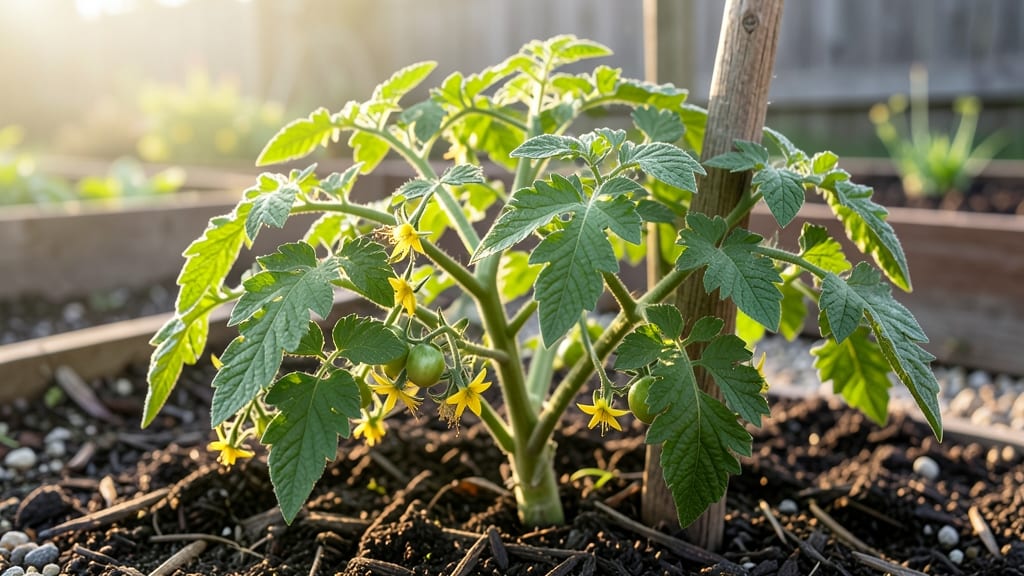
Tomatoes set blooms when they’re ready—but pruning wrong can turn those flowers into bitter disappointment. 🌱 I’ve learned the hard way that aggressive pruning too late in the season can rob you of fruit, while strategic cuts keep plants producing well into fall.
The key is understanding when to prune for more blooms and when to stop for fruit to form.
Perfect bloom set happens when daytime temps stay between 60-85°F, nights dip below 70°F, and plants get 6-8 hours of direct sun. Too much heat or shade? Flowers drop like they’re shy.
Prune suckers (those little shoots between stem and branch) when they’re 2-3 inches long—never bigger, or you’ll delay fruit. My heirloom Brandywines now produce 30% more tomatoes by mid-September because I prune smarter, not harder.
You’ll notice new blooms appearing within 7-10 days of proper pruning, and those flowers turn into plump tomatoes instead of falling off. The trick is balancing air circulation (to prevent disease) with enough leaf surface to feed fruit.
Over-pruned plants look pretty but starve their own harvest. Think of it like giving your tomato plant a haircut—not a buzz cut.
This works for determinate (bush) and indeterminate (vining) tomatoes, though indeterminates benefit most from ongoing pruning. In cooler climates, extend the season by pruning later—just stop 4-6 weeks before first frost.
For hotter zones, prune aggressively early to beat the heat stress. The goal? More blooms and fruit that actually stays on the vine.
📚 In This Guide
- What you need
- Instructions
- Tips and common mistakes
- Wrapping up and next steps
What you need
- ● Tomato plants: 1-6 plants (depending on space), preferably determinate or indeterminate varieties like 'Celebrity,' 'Sungold,' or 'Beefsteak.'
- ● Pruning shears: 1 pair, sterilized (70% isopropyl alcohol works) to prevent disease spread.
- ● Gloves: 1 pair, gardening-grade (nitrile or leather) for protection.
- ○ Balanced fertilizer: 10-10-10 or 5-5-5, 1 cup per plant (optional but recommended post-pruning).
- ● Mulch: 2-3 inches of straw, grass clippings, or wood chips to retain moisture and suppress weeds.
- ● Watering can or hose: With a gentle spray nozzle to avoid damaging plants.
- ● Hand lens or magnifying glass: Helps spot early signs of pests/diseases on leaves and stems.
- ● Plant support: 1-2 cages, stakes, or trellises per plant (if growing indeterminate varieties).
- ● Copper-based fungicide: Like Bordeaux mixture (preventative measure for blight-prone areas).
- ● Garden journal: To track pruning dates, weather, and plant responses for future reference.
- ● Compost or worm castings: 1 gallon per plant to boost soil health after pruning.
Pruning techniques to maximize tomato bloom set
Here’s how to coax your tomato plants into producing more flowers—and fruit—throughout the season.
🌱 Step 1: Identify and Prune Suckers Early
Suckers are the small shoots that form in the joint between a main stem and a branch. These energy vampires divert nutrients away from fruit production, so I remove them as soon as they’re 1-2 inches long. Use your thumb and forefinger to gently pinch them off—no need for shears. The key is consistency: check plants weekly once they start flowering.
Real talk: If you wait until suckers are larger, you’ll be playing catch-up all season. I prune mine right after watering, when the stems are slightly pliable. The first true leaves on a sucker are your signal—remove everything below that point to redirect energy to fruit-bearing branches.
✂️ Step 2: Thin Fruit Clusters for Larger Tomatoes
Overloaded branches produce small, underdeveloped tomatoes. Once flowers set fruit, I leave only 1-2 tomatoes per cluster, depending on the variety. For beefsteak tomatoes, I keep just one per stem—these need all the plant’s resources to reach their full potential. Cherry tomatoes can handle 2-3 per cluster since they’re smaller.
Here’s the thing—you’ll see tiny tomatoes forming everywhere, but not all will ripen. Remove the smallest ones first, then thin again 7-10 days later as the remaining fruit swells. This ensures the plant isn’t overwhelmed and can focus on quality over quantity.
☀️ Step 3: Prune Lower Leaves to Improve Airflow
Remove all leaves below the first flower cluster using clean pruning shears. This isn’t just about aesthetics—it prevents soil-borne diseases like early blight from splashing up onto the fruit. I also trim any leaves that touch the ground or hang low, as they’re more prone to fungal issues.
Don’t go overboard, though. Leave enough foliage to shade the fruit from sun scald, but aim for open, airy plants. You’ll notice a difference in 2-3 weeks: fewer yellowing leaves and better fruit color as sunlight reaches more of the plant.
🌿 Step 4: Balance Pruning with Fertilization
After heavy pruning, tomatoes need a nutrient boost. I apply a balanced fertilizer (10-10-10) or a tomato-specific feed every 2-3 weeks during the growing season. Focus on potassium-rich fertilizers in the later stages to improve fruit quality and disease resistance.
Water deeply right after fertilizing to help roots absorb nutrients. You’ll see new growth within 5-7 days—that’s your cue that the plant is recovering and ready for another round of bloom set. Avoid nitrogen-heavy feeds now; they’ll push leafy growth over fruit production.
⏰ Step 5: Time Pruning for Late-Season Blooms
If your tomatoes start slowing down before frost, give them one last push. Prune all but the top 3-4 leaves on the main stem 4-6 weeks before the first frost. This redirects energy to any remaining flowers, often producing a final flush of fruit that ripens just in time for harvest.
Here’s where it gets fun—watch for new flower clusters forming near the top. These late blooms may not have time to ripen fully, but they’ll often produce small but flavorful tomatoes that you can pick green and ripen indoors. Cover them with frost cloth on chilly nights to extend the season even further.
Tips & tricks for maximizing tomato bloom set
These pruning secrets will transform your tomato plants into fruit-producing powerhouses—no matter the season.
Timing Secret: The weekly sucker check in Step 1 is your golden opportunity to prevent wasted energy. I've found that early morning pruning works best because the stems are still turgid from overnight hydration. This makes the pinch-and-pull motion easier and reduces stem breakage. For determinate varieties, you can reduce sucker checks to every other week once flowering begins.
Thinning Technique: When thinning fruit clusters in Step 2, focus on removing the smallest tomatoes first—they're the ones least likely to mature anyway. Here's what I do: I mark the largest tomato in each cluster with a small piece of colored tape (like a mini flag). This visual cue helps me quickly identify which fruits to keep during my weekly inspections, ensuring consistent thinning without guesswork.
Leaf Pruning Strategy: In Step 3, when removing lower leaves, I always leave at least one leaf above each fruit cluster to provide shade. This prevents sun scald while still allowing airflow. For indeterminate varieties, I make a point to prune any leaves that show signs of disease—even if they're above the first flower cluster—because fungal spores can spread quickly through the plant's vascular system.
Fertilization Insight: The 2-3 week fertilization schedule in Step 4 works perfectly when paired with a soil test. If your soil is already rich in phosphorus, you can extend the interval between potassium-rich fertilizers to every 4 weeks. I've had great success using compost tea as a mid-cycle supplement—it provides micronutrients without the salt buildup that can occur with synthetic fertilizers.
Pro Tips for Bloom Set For Tomatoes
- These pruning secrets will transform your tomato plants into fruit-producing powerhouses—no matter the season.
- Timing Secret: The weekly sucker check in Step 1 is your golden opportunity to prevent wasted energy. I've found that...
- Thinning Technique: When thinning fruit clusters in Step 2, focus on removing the smallest tomatoes first—they're the...
Frequently asked questions
Got questions about setting blooms for tomatoes? You’re not alone! Here are the most common queries—and their answers—to help you maximize your harvest.
What’s the ideal temperature range for tomato blooms to set fruit?
Tomatoes thrive when daytime temps are 65–85°F (18–29°C) and nights stay above 55°F (13°C). Below 55°F, blooms may drop off due to blossom drop. Use row covers or shade cloth if temps dip, or opt for heat-tolerant varieties like Solar Fire or Heatmaster.
How long does it take for tomato blooms to turn into fruit?
After pollination (usually 2–3 days post-bloom), fruit sets in 7–14 days, depending on variety and growing conditions. Green tomatoes may take 45–85 days to ripen fully. Track bloom dates to estimate harvest windows!
Can I prune tomato plants while they’re flowering?
Yes! Prune gently—remove suckers (side shoots) below the first flower cluster to redirect energy to fruit. Avoid heavy pruning during peak bloom, as stress can cause blossom drop. Focus on airflow and sunlight to prevent disease.
What should I do if my tomato blooms aren’t setting fruit?
Try these fixes:
- Hand-pollinate with a paintbrush if bees are scarce.
- Check for blossom end rot (calcium deficiency) and add lime or crushed eggshells.
- Ensure consistent watering (1–2 inches/week) and fertilizer (low-nitrogen, high-phosphorus).
- Move pots to sunnier spots if indoors.
Are there tomato varieties that set fruit more easily?
Try determinate varieties (like Roma or Celebrity) for heavy early fruit, or indeterminate types (e.g., Sungold) for continuous blooming. Cherry tomatoes often set fruit more reliably in cool weather.
Wrapping up and next steps
Mastering the bloom set for tomatoes is your ticket to a bountiful, extended harvest—no green thumb required! By pruning strategically and understanding your plants’ signals, you’ll turn wasted energy into more fruit, bigger yields, and happier vines. 🌱✨
Ready to put these tricks into action? Start with one plant this week, observe its response, and let your confidence (and tomato stash) grow! Soon, you’ll be the neighborhood’s go-to gardener—and your dinner plate will never look emptier.
Next step: Grab your pruners, pick a sunny morning, and give your tomatoes the love they deserve. Your future self (and taste buds) will thank you!