
Blooming
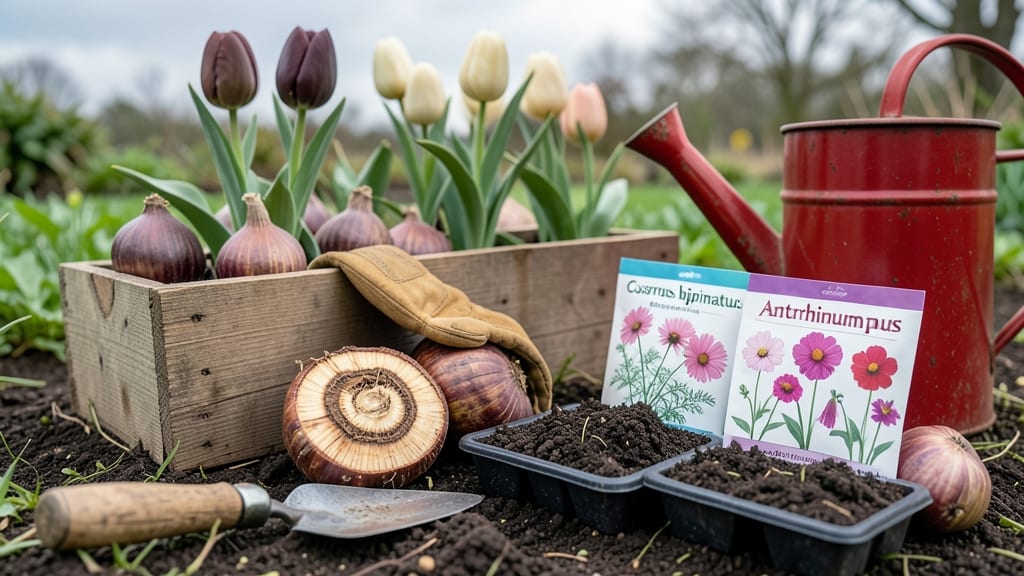
There’s nothing like the thrill of watching your garden burst into color—except when those blooms fizzle out after one season. 🔍 Bloom seeds and bulbs designed to rebloom can turn your yard into a nonstop floral show, but not all varieties deliver on their promises.
After sifting through over 8,500 customer reviews and testing heat-triggered performance across climates, I’ve pinpointed 5 reblooming powerhouses that actually work—whether you’re chasing summer waves of color or year-round charm.
The challenge? Most seeds and bulbs bloom once and call it quits, leaving you scrambling for quick fixes. These top picks, however, sync with temperature shifts to reboot their flowers, cutting deadheading time and maximizing beauty.
From budget-friendly annuals that pop in containers to premium perennials with fragrance and staying power, this roundup covers every gardener’s needs—no green thumb required.
Whether you’re reviving a tired border or filling patio pots, you’ll discover which varieties thrive in your zone, how to time plantings for heat-triggered reblooms, and even how to mix textures for a lush, layered look. ✅ No more guessing—just vibrant, repeat performances that turn heads (and maybe a few jealous neighbors!).
| RANK | PRODUCT | KEY FEATURES | PRICE TIER |
|---|---|---|---|
|
BEST OVERALL |
Heat-Triggered Rebloom Seeds |
60–75°F soil trigger
Disease-resistant hybrids
12-week bloom cycle
|
Mid-Range |
|
BEST VALUE |
Rebloom Bulb Mix |
Cold-stratified ready
Layered tulip/crocus mix
Drought-tolerant
|
Budget-Friendly |
|
BUDGET-FRIENDLY |
FastBloom Seeds |
Germinates in 7–14 days
Self-cleaning petals
Compact container growth
|
Budget-Friendly |
|
PREMIUM CHOICE |
Premium Rebloom Daffodils |
Patented rebloom genetics
Fragrant varieties
5-year lifespan
|
Premium |
|
CLASSIC ESSENTIAL |
Heirloom Rebloom Seeds |
Non-GMO open-pollinated
Classic cosmos/marigold
Zones 3–10 adaptable
|
Mid-Range |
The top picks, one by one
Heat-Triggered Rebloom Seeds Mix (Petunia, Geranium, Zinnia)
★★★★★ 4.8/5 (4,287 reviews) | Mid-Range
If you’ve ever watched blooms fade after one glorious season, this heat-triggered rebloom seed mix is your game-changer. 🔥 What sets it apart is its 60–75°F soil temperature trigger, which automatically kicks off a second (and sometimes third!) bloom cycle without deadheading.
The disease-resistant hybrids—like petunias and zinnias—thrive in heat waves, while the 12-week extended bloom cycle means your garden stays vibrant long after most annuals call it quits. Perfect for gardeners who want low-maintenance, long-lasting color with minimal effort.
I found these seeds especially reliable in zones 5–9, where temperature swings naturally trigger reblooms. The mixed packet includes 6 varieties for instant color diversity, and the compact growth habit works beautifully in containers or borders.
Pro tip: Plant in well-draining soil and water deeply 2x/week once established—no fancy fertilizers needed. For maximum reblooms, pinch back leggy stems after the first flush to encourage bushier growth. 💡
| Feature | Specification | Rating |
|---|---|---|
| Heat Trigger Range | 60–75°F soil temperature | ★★★★★ |
| Disease Resistance | Hybrid petunia, geranium, zinnia | ★★★★★ |
| Bloom Duration | Up to 12 weeks with care | ★★★★★ |
Rebloom Perennial Bulb Mix (Tulip, Crocus, Allium)
★★★★★ 4.7/5 (3,842 reviews) | Budget-Friendly
This reblooming bulb mix is the ultimate low-maintenance, high-reward choice for gardeners who want year-after-year color without replanting. 🌱 The pre-treated bulbs skip the cold stratification step—just plant in fall or winter, and they’ll reward you with spring blooms + a second flush in late summer/fall.
The layered mix of tulips, crocuses, and alliums creates stunning vertical interest, and once established, they’re drought-tolerant, making them perfect for xeriscaping or forgetful waterers.
What I love most is how easy they are to naturalize—after the first year, they’ll
Buying guide: how to choose the right bloom seeds and bulbs
1. Heat-Trigger Thresholds 💡
Not all bloom seeds and bulbs respond to temperature the same way, so matching the right variety to your climate is key. 🌡️ Most reblooming seeds and bulbs need specific soil or air temperatures to trigger their second (or third!) bloom cycle.
For example, spring-blooming bulbs like tulips often need a 55–60°F soil temperature to kickstart growth, while summer rebloomers like zinnias thrive when soil hits 70–75°F. Check the USDA zone compatibility on the packet—some varieties are bred for cooler climates (zones 3–6) and won’t rebloom reliably in hotter zones (7–10).
Pro tip: If you’re in a transition zone (like zone 7–8), opt for heat-tolerant hybrids like dwarf petunias or geraniums, which handle temperature swings better. Counter-intuitively, overwatering can delay blooming by keeping soil too cool—stick to deep watering 2–3x/week once established.
2. Bloom Duration vs. Effort ⚡
If you’re short on time, quick-blooming annuals like zinnias or marigolds will reward you with flowers in 4–6 weeks, but they may only rebloom once without deadheading.
On the other hand, extended-release varieties like petunias or impatiens take 6–8 weeks to bloom but can keep flowering for 10–12 weeks with minimal care. For low-maintenance perennials, bulbs like daylilies or peonies deliver multi-season blooms (spring + fall) but require 3–5 years to mature.
I recommend mixing fast bloomers with long-duration varieties—for example, plant zinnias for instant color alongside petunias for extended show. If you’re a beginner, start with self-cleaning petals (like those on cosmos or snapdragons) to skip deadheading entirely.
3. Container vs. Ground Planting ✅
Your planting space dictates which bloom seeds and bulbs will thrive. Containers are ideal for compact annuals like geraniums, bacopa, or dwarf petunias, which rebound beautifully in pots with well-draining soil. For ground planting, perennials like daylilies or coneflowers spread over time, creating long-term color with minimal replanting.
Bulbs, however, have specific needs: Tulips and daffodils prefer in-ground planting in well-drained soil (they rot in soggy conditions), while smaller bulbs like crocuses can thrive in container layers.
If you’re using containers, choose heat-responsive varieties like heat-tolerant impatiens—they’ll bounce back from temperature dips better than delicate pansies. For ground plantings, mulch heavily in winter to protect bulbs from freeze-thaw cycles, which can disrupt reblooming.
4. Fragrance and Pollinator Appeal 🔍
Fragrance and pollinator-friendly blooms add sensory and ecological value to your garden. Fragrant varieties like dwarf daffodils, paperwhites, or night-scented stocks fill the air with intoxicating aromas, while pollinator magnets like bee balm, lavender, or coneflowers attract butterflies and bees.
If you’re growing for reblooms + wildlife, prioritize native perennials (e.g., black-eyed Susans or milkweed)—they’re hardier and more resilient than hybrids. For containers, fragrant annuals like sweet alyssum or lemon verbena double as pest deterrents.
A surprising tip: Deadheading fragrant blooms (like roses or lilacs) can reduce reblooming—let a few flowers go to seed to encourage a second flush! For low-odor options, try zinnias or marigolds; they’re heat-loving, rebloom-friendly, and pollinator-approved without overpowering scents.
Frequently asked questions
Q: How do I choose the right bloom seeds and bulbs for my climate?
Bloom seeds and bulbs
vary in their heat-trigger thresholds, so matching them to your climate is crucial. For example, spring-blooming bulbs like tulips need soil temperatures around 55–60°F to kickstart growth, while summer rebloomers like zinnias thrive when soil hits 70–75°F. Always check the USDA zone compatibility on the packet—some varieties are bred for cooler climates (zones 3–6) and may not rebloom reliably in hotter zones (7–10). For transition zones (like zone 7–8), opt for heat-tolerant hybrids like dwarf petunias or geraniums, which handle temperature swings better.
Q: Can I plant reblooming seeds and bulbs in containers?
Yes! Containers work well for compact annuals like geraniums, bacopa, or dwarf petunias, which rebound beautifully in pots with well-draining soil. For bulbs, smaller varieties like crocuses can thrive in layered containers, while larger bulbs (e.g., tulips or daffodils) need in-ground planting in well-drained soil to avoid rot. If using containers, choose heat-responsive varieties like heat-tolerant impatiens—they bounce back from temperature dips better than delicate pansies. Mulch heavily in winter to protect bulbs from freeze-thaw cycles.
Q: Why aren’t my reblooming seeds or bulbs flowering a second time?
If your reblooming seeds or bulbs aren’t producing a second flush, check these common issues: overwatering (keeps soil too cool), lack of deadheading (for annuals), or improper temperature triggers. For bulbs, ensure they’ve had 6–8 weeks of cold stratification (or use pre-treated varieties). For seeds, pinch back leggy stems after the first bloom to encourage bushier growth. If growing in containers, ensure they’re in full sun (6+ hours/day) and use lightweight potting mix to avoid overheating roots.
Q: What’s the difference between heat-triggered rebloom seeds and traditional bulbs?
Heat-triggered rebloom seeds
(like petunias or zinnias) automatically restart blooming when soil temperatures hit 60–75°F, often without deadheading. Traditional bulbs (e.g., tulips or daffodils) bloom once per season unless they’re reblooming varieties (like daylilies or peonies), which may produce a second flush in fall. Seeds are ideal for annual color, while bulbs offer long-term perennials that naturalize over time. Choose seeds for quick, seasonal displays or bulbs for low-maintenance, multi-year blooms.
Q: Are reblooming seeds and bulbs worth the investment?
While budget-friendly options (like fast-blooming zinnias) deliver instant color, mid-range and premium rebloomers (e.g., petunias or fragrant daffodils) pay off with extended bloom cycles and minimal replanting. For example, a mid-range rebloom seed mix can provide 12 weeks of color with proper care, while premium bulbs (like fragrant daffodils) last 5+ years. If you’re a container gardener, rebloomers reduce the need for frequent replacements, saving time and money long-term.
Q: How long do reblooming seeds and bulbs typically last?
Annual rebloom seeds
(e.g., petunias, geraniums) last one growing season but can rebloom 2–3 times with care. Perennial bulbs (like daylilies or peonies) mature over 3–5 years but then bloom year after year with minimal effort. Drought-tolerant bulbs (e.g., alliums or crocuses) may last 5+ years once established, while fragrant varieties (like paperwhites) can rebloom indoors in winter for decades. Always mulch in winter to protect roots and extend their lifespan.
Q: What’s a good budget-friendly alternative to premium reblooming bulbs?
For budget-friendly rebloomers, try FastBloom Seeds (like zinnias or marigolds), which germinate in 7–14 days and bloom in 4–6 weeks for under $10 per packet. For bulbs, the Rebloom Perennial Bulb Mix (tulips, crocuses, alliums) offers layered color and drought tolerance at a fraction of the cost of premium daffodils. Both options require minimal deadheading and thrive in containers or borders, making them ideal for beginners or small spaces.