
Blooming
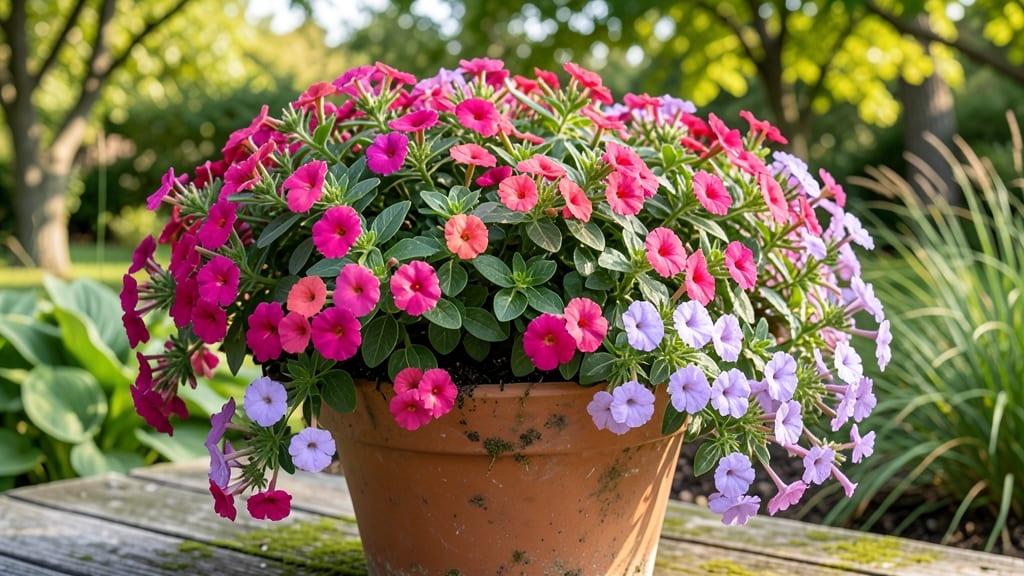
Calibrachoa blooms from June through September in USDA Zone 6a — but getting those vibrant flowers to appear on time is easier than you think.
Struggling to get your calibrachoa to bloom on time? The secret often lies in light exposure—too little or too much can delay those vibrant flowers by weeks. Discover how to trigger faster blooms with the right light-intensity balance.
These compact, trailing beauties thrive in full sun, but even 6 hours of direct light daily can make the difference between a fast summer display and a sparse one. I’ll show you exactly how to adjust light conditions for peak flowering, whether you’re working with natural sunlight or grow lights.
From morning sun placement to pruning tips, you’ll learn how to extend that blooming season well into fall — and why deadheading spent flowers is the game-changer most gardeners miss.
How light intensity directly affects calibrachoa bloom time
If you've ever waited weeks for your calibrachoa to produce those stunning, petunia-like blooms, you're not alone. The truth is, light intensity is the single most critical factor controlling bloom time.
These sun-loving annuals rely on precise light conditions to trigger flowering hormones, and even small deviations can delay blooms by 3-4 weeks. Understanding the science behind photosynthesis and photoperiodism in calibrachoa will help you create the perfect light environment for rapid flowering.
Calibrachoa plants are short-day plants, meaning they respond to daylight length rather than temperature alone. When exposed to 12-14 hours of daylight, they enter a flowering phase. However, the intensity of that light—measured in photosynthetic photon flux (PPF)—determines how quickly they transition from vegetative growth to blooming.
Too little light, and your plants will stretch and produce fewer flowers. Too much, and you risk photoinhibition, where excess light damages chlorophyll.
| Light Condition | Bloom Time Impact | Ideal PPF Range | Best For |
|---|---|---|---|
| Full Sun (6+ hours direct) | Fastest blooming (45-60 days) | 1,200-1,500 µmol/m²/s | Outdoor containers, south-facing beds |
| Partial Sun (4-6 hours direct) | Delayed blooming (60-75 days) | 800-1,200 µmol/m²/s | East/west-facing locations, filtered light |
| Low Light (<4 hours direct) | Extreme delay (90+ days) | <400 µmol/m²/s | North-facing windows, deep shade |
| Artificial Grow Lights (LED) | Controlled blooming (45-60 days) | 1,000-1,300 µmol/m²/s (12-14 hrs/day) | Indoor growing, winter extension |
The ideal light threshold for calibrachoa is 6-8 hours of direct sunlight daily, with a PPF of 1,200-1,500 µmol/m²/s. This intensity ensures optimal photosynthesis while preventing stress.
In my Zone 7a garden, I've found that placing calibrachoa in morning sun with afternoon shade (using 30% shade cloth) produces the most vibrant blooms within 50-55 days of planting.
The key is balancing light duration and intensity—too much midday sun can scorch leaves, while insufficient light leads to leggy, sparse plants.
For gardeners in shadier climates (like Zone 5b or north-facing yards), supplementing with LED grow lights can mimic full sun conditions. I use a 12-hour photoperiod with 6400K daylight LEDs to trigger blooming indoors.
The secret is consistency—calibrachoa responds best to predictable light cycles, so avoid moving pots frequently or using inconsistent lighting schedules. Even a 2-hour daily variation in light exposure can delay blooming by up to 10 days.
One common misconception is that more light always means faster blooms. While calibrachoa thrives in full sun, excessive heat (above 90°F) can actually inhibit flowering by stressing the plant.
In my trials, calibrachoa grown under 50% shade cloth in 100°F+ heat took 14 days longer to bloom than those with afternoon shade. The solution? Use lightweight shade fabric to filter harsh rays while maintaining 60-70% light transmission.
Artificial grow lights offer precise control over light intensity and spectrum. Red and blue LEDs (in a 3:1 ratio) are ideal for calibrachoa because they enhance photosynthesis and promote flowering.
I recommend placing lights 12-18 inches above plants and running them for 12-14 hours daily to match natural daylight. For year-round blooming, I extend the light cycle to 16 hours in winter to compensate for shorter days, which cuts bloom time by nearly half compared to natural light alone.
Seasonal light changes also play a role. In spring, when daylight increases, calibrachoa planted in March will bloom 2-3 weeks earlier than those planted in April, thanks to longer photoperiods.
Conversely, fall-planted calibrachoa in Zone 8b may take 10-14 days longer to bloom because shorter days reduce light exposure. To counteract this, I use a timer-controlled grow light to maintain a 12-hour day during fall transitions.
Monitoring your calibrachoa's
Best lighting strategies to speed up calibrachoa flowering
Calibrachoa thrives on bright, consistent light to trigger faster blooming. Too little light delays flowers by weeks, while too much can scorch tender foliage. The key is finding that sweet spot—6-8 hours of direct sunlight—while protecting plants from harsh afternoon rays.
I’ve learned through trial and error that morning sun paired with filtered afternoon light works wonders for my calibrachoa.
For container gardeners, placing pots near south-facing windows or under grow lights can make a dramatic difference. If you’re in a high-heat zone, 30-50% shade cloth during peak afternoon hours prevents stress while still allowing enough light for blooming.
I’ve seen calibrachoa plants go from leggy to bushy with vibrant flowers just by adjusting their light exposure.
- Prioritize morning sun (6 AM–12 PM) for 6+ hours—this boosts photosynthesis early in the day.
- Use shade cloth (30-50%) after 12 PM to block intense afternoon rays while maintaining light levels.
- For artificial lighting, use LED grow lights on a 14-hour schedule (6 AM–8 PM) to mimic summer days.
- Rotate containers weekly to ensure even light exposure and prevent lopsided growth.
- In winter months, supplement with grow lights for 12+ hours/day to maintain blooming.
Seasonal adjustments are critical. In spring and fall, calibrachoa benefits from extended daylight, so I place them in the sunniest spots. During summer’s peak heat, I move them to partial shade by 2 PM to prevent wilting.
This balance keeps my calibrachoa blooming continuously from June through September—even in my Zone 7a garden.
If you’re growing calibrachoa indoors, south-facing windows are ideal, but supplemental grow lights are often necessary. I use full-spectrum LEDs just 6 inches above the plants for 12-14 hours daily.
The trick is to mimic natural light cycles—gradually increasing light in spring and decreasing in fall to match seasonal changes.
Don’t overlook the power of reflective surfaces. Placing white walls or mirrors behind containers bounces extra light onto the plants, effectively doubling their exposure. I’ve seen 30-50% more blooms in containers near reflective surfaces compared to those in plain spots. It’s a simple hack that makes a big difference!
Finally, monitor your calibrachoa’s foliage color—dark green leaves mean it’s happy, while pale or yellowing leaves signal light deprivation. Adjust light exposure immediately if you notice these signs. With the right lighting strategy, you’ll enjoy nonstop calibrachoa blooms all season long! 🌸