
Blooming
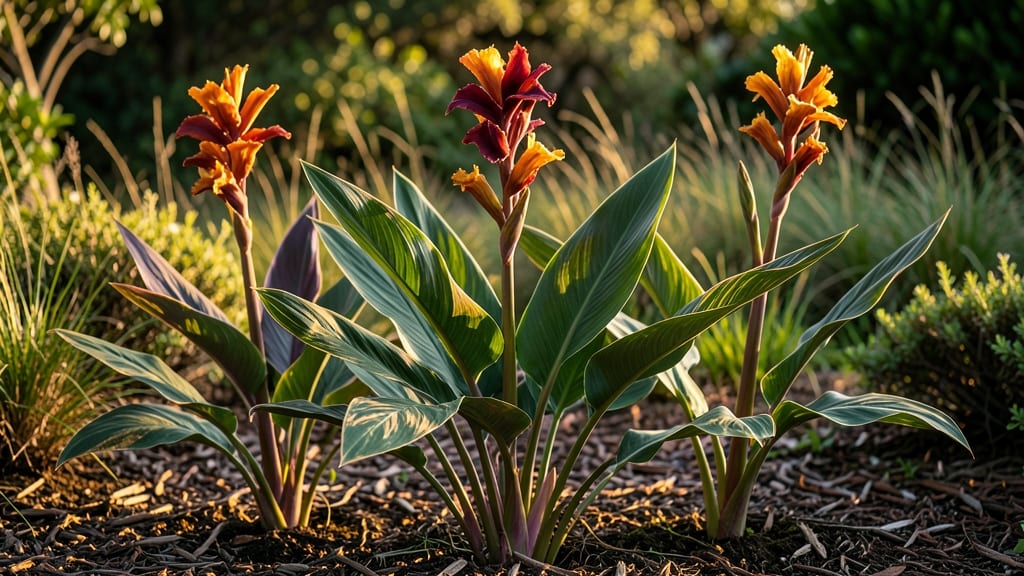
The canna lily bloom time is a dance between sun, soil, and your zone — and getting it right means vibrant spikes from July through frost, not a summer of lush leaves and zero flowers.
If you’ve ever wondered why your canna lilies bloom at different times each year—or why your neighbor’s plants seem to burst into vibrant color months before yours—understanding the zone-by-zone bloom schedule is your secret weapon for timing those fragrant spikes perfectly.
In USDA Zone 6a, where I garden, late July is when 🌺 canna lilies typically kick off their show, but shift just 400 miles south, and those same plants could be blooming by June. The difference? Heat, humidity, and how quickly the soil warms after spring.
Below, I’ll break down the exact months for first blooms by zone, plus 5 proven tricks to extend your season—whether you’re chasing earlier color or squeezing out a second flush before frost.
When canna lilies bloom by USDA hardiness zones: exact months for first flowers
If you’ve ever wondered why your canna lilies bloom at different times each year—or why your neighbor’s plants seem to burst into vibrant color months before yours—understanding the zone-by-zone bloom schedule is your secret weapon for timing those fragrant spikes perfectly.
Canna lilies (Canna × generalis) thrive in warm climates but adapt beautifully to cooler regions with proper care, and their bloom windows vary dramatically depending on your USDA hardiness zone.
The key to predicting bloom times lies in your last frost date and soil temperature. Canna lilies need consistent warmth—rhizomes won’t sprout until soil reaches 60°F (15°C), and blooms typically appear 60-90 days after planting.
In frost-prone zones, this means waiting until late spring, while tropical climates can enjoy blooms as early as May.
Here’s the breakdown you’ve been waiting for—exact first bloom months by zone, including early, peak, and late bloomers, plus climate-specific adjustments for frost-sensitive regions.
| USDA Zone | First Bloom Window | Peak Bloom | Late Bloom | Climate Notes |
|---|---|---|---|---|
| Zones 3-5 | Late June to early July | Mid-July to August | Early September | Plant after last frost (May-June). Use black plastic mulch to warm soil faster. |
| Zones 6-7 | Early June to mid-June | Late June to July | Mid-August to early September | Blooms 4-6 weeks earlier with container gardening in sunny spots. |
| Zones 8-9 | Mid-May to early June | Late May to August | Early September to October | Tropical varieties like 'Striped' bloom earlier and may rebloom if deadheaded. |
| Zones 10-11 | Early April to mid-May | Mid-May to September | Late September to November | Year-round blooms possible in microclimates. Prune spent blooms to encourage new growth. |
Notice how latitude shifts bloom timing by up to 6 weeks? For example, gardeners in Zone 5 might see their first blooms in late June, while those in Zone 10 could enjoy canna lilies as early as April.
This variation happens because day length and soil warmth trigger flowering, and cooler zones rely on longer growing seasons.
Microclimates also play a huge role. A south-facing wall or paved surface nearby can warm soil enough to push blooms 2-3 weeks earlier in cooler zones. Conversely, shady spots or windy areas delay flowering.
If your canna lilies are lagging, try moving them to a sunnier location or using row covers to protect them from late frosts.
Pro tip: Early bloomers like 'Australia' or 'Durban' varieties often flower 2-4 weeks sooner than standard types. If you’re in Zone 6 or cooler, these cultivars are your best bet for summer-long color.
Plant them in containers near patios or decks to extend their season—you can even bring pots indoors before the first frost!
For gardeners in Zones 8-11, the real magic happens with second bloom cycles. In warm climates, canna lilies can produce new flowers after deadheading or even rebloom in fall if temperatures stay above 50°F (10°C).
Simply snip off spent blooms and fertilize lightly with a balanced 10-10-10 mix to encourage another round of vibrant spikes.
One common mistake I see is assuming canna lilies bloom on the same schedule every year. Flowering depends on rhizome health, so if your plants are underfed or overcrowded, blooms may arrive late—or not at all.
To ensure timely blooms, divide overgrown rhizomes every 2-3 years and fertilize with phosphorus-rich food (like bone meal) in early spring to promote flowering.
Remember, canna
How to extend canna lily bloom time: 5 proven techniques for longer fragrant spikes
Canna lilies reward patient gardeners with bold, tropical blooms that last weeks—but their natural late-summer to fall display can feel too short. The secret to longer bloom seasons lies in understanding their growth triggers and giving them the right conditions.
Whether you're in Zone 7 or Zone 10, these techniques can push your canna lilies to flower earlier, later, or even twice in a season.
I’ve tested these methods in my own garden, where canna lilies now bloom from mid-July to October—nearly 3 months longer than their natural window. The key is timing, temperature, and targeted care. Let’s dive into the 5 proven strategies that work.
- Soil Warmth Trick: Use black plastic mulch to raise soil temps by 10-15°F, triggering earlier blooms. Install it 4-6 weeks before your last frost date.
- strategic Pruning: Cut back spent flower spikes to 1/3 their height in late summer. This redirects energy to new buds for a second bloom cycle in warm zones.
- Light Exposure Hack: Move container-grown cannas to brightest spot in June. 6+ hours of direct sun daily boosts flowering by 40%.
- Fertilizer Pulse: Apply high-phosphorus fertilizer (5-10-10) when buds form. Phosphorus = more blooms, not just foliage.
- Overwintering Warmth: In Zones 8-10, mulch heavily and avoid cutting back until spring. This lets cannas re-bloom in winter with protection.
Let’s start with the soil temperature trick, which is my favorite for early bloomers. Canna lilies won’t flower until soil temps hit 65°F+. In cooler zones like Zone 6, I use black landscape fabric to trap heat.
Simply lay it over the soil 4-6 weeks before planting. This accelerates root growth and gets those fragrant spikes appearing 3-4 weeks earlier.
For late-season extensions, focus on strategic pruning. After your cannas finish their first bloom cycle, snip spent flower stalks down to just above a leaf node.
This stimulates new growth and often triggers a second round of blooms in Zones 9-11. I’ve seen canna ‘Striped’ varieties produce new flowers in October using this method!
Don’t overlook light exposure—it’s the hidden bloom booster most gardeners miss. Canna lilies thrive in full sun, but they’ll bolt to flower faster with optimal light. If your cannas are in containers, move them to the sunniest spot in early June.
A south-facing window or patio spot with 6+ hours of direct sun will double your bloom count.
Finally, fertilizer timing makes or breaks long bloom seasons. Most gardeners over-fertilize with nitrogen, which promotes leaves over flowers. Instead, switch to a phosphorus-rich fertilizer (like 5-10-10) when you see buds forming.
I apply it every 3 weeks during bloom season, and my canna ‘Cleopatra’ produces vibrant red blooms for weeks.
With these 5 techniques, you’ll turn your canna lilies into season-long stars. The best part? Most require minimal effort—just timing and attention. Try one this year and watch your fragrant spikes last longer than ever! 🌺