Blooming
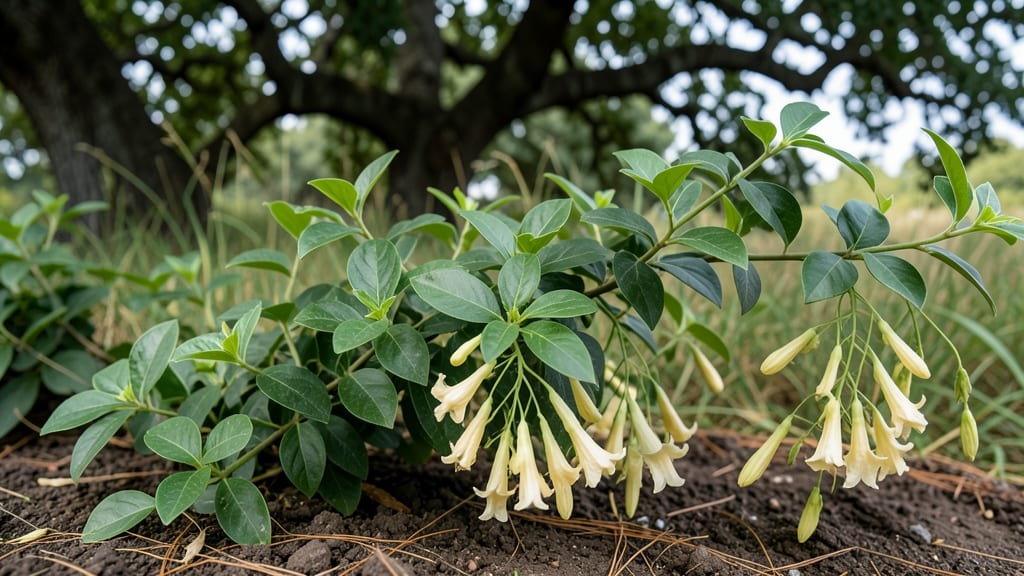
Carolina jasmine blooms in late spring to early summer 🌸, but the exact timing shifts depending on your variety and climate zone—something that can make or break your fragrant garden dreams.
Picture this: you’ve spent months nurturing your vine, only to wake up one morning and realize the star-shaped blooms still haven’t appeared. Was it the wrong pruning? Too much shade? Or just a late frost sneaking in?
The truth is, Carolina jasmine’s bloom window is more flexible than most gardeners realize, but a few key factors—like sunlight exposure and your USDA zone—can push those perfumed flowers weeks earlier or later than expected.
If you’re in the Southeast (Zones 7-10), where this native beauty thrives, you’ll likely see blooms as early as April for early varieties, while cooler zones might wait until May or June.
But here’s the game-changer: with the right pruning and care, you can coax your vine into a second flush of blooms later in the summer, turning your garden into a year-round fragrant oasis.
In this guide, I’ll break down the exact bloom months for popular varieties, how climate zones shift timing, and the simple tricks to extend your blooming season—so you’re never left waiting for that first sweet scent.
Carolina jasmine bloom time by variety: months & seasonal patterns
Carolina jasmine (Gelsemium sempervirens) dazzles with its yellow trumpet-shaped blooms and intoxicating fragrance, but its bloom timing varies dramatically by variety. Understanding these differences helps you plan trellises, pergolas, or garden beds for maximum impact.
Some varieties burst into bloom in early spring, while others linger into mid-fall, creating a cascading fragrance show.
Light exposure and pruning habits also shift bloom windows. For instance, full sun can advance blooming by 2-4 weeks in warm zones, while heavy pruning after flowering may delay next year’s display.
Let’s break down the top 5 varieties and their seasonal patterns to help you choose—or adjust your expectations—for your climate.
⚠️ Pro Tip: Always plant Carolina jasmine in well-draining soil with partial shade (4-6 hours of sunlight) to avoid stress that can delay blooming. In Zone 9b+, afternoon shade is critical to prevent leaf scorch.
| Variety | Primary Bloom Time | Secondary Bloom (if applicable) | Bloom Duration | Notes |
|---|---|---|---|---|
| ‘Flore Pleno’ (Double Flower) | Late April–June | Occasional fall blooms (Zone 8+) | 6–8 weeks | Denser blooms; prune lightly after spring bloom. |
| ‘Primrose’ (Soft Yellow) | March–May | None (early bloomer) | 4–6 weeks | Earliest variety; ideal for Zone 7 gardens. |
| ‘Evening Star’ (Pale Yellow) | June–August | September–October (Zone 9+) | 10–12 weeks | Heat-tolerant; thrives in full sun with afternoon shade. |
| ‘Margarita’ (Pure White) | May–July | Sporadic fall blooms | 8–10 weeks | Fragrance peaks at dusk; needs humidity for best blooms. |
| Wild Type (Standard) | April–June | August–September (Zone 8+) | 6–10 weeks | Most adaptable; prune aggressively after spring bloom for fall regrowth. |
The ‘Primrose’ variety is the earliest bloomer, often greeting gardeners in March—perfect for Zone 7 where frosts linger. Its delicate soft yellow blooms create a cheerful contrast to winter’s drabness.
In Zone 9, however, ‘Primrose’ may bloom as early as February if planted in a microclimate with afternoon shade.
Conversely, ‘Evening Star’ is a summer-to-fall performer, thriving when most jasmines fade. Its pale yellow flowers release their fragrance in the evening hours, making it a perfect trellis choice for patios or decks.
In Zone 10, this variety can bloom year-round with minimal care, though blooms may be less abundant in winter.
Pruning plays a critical role in shifting bloom times. For example, if you prune ‘Flore Pleno’ heavily in late summer, you’ll likely see delayed spring blooms the following year.
This is because the plant focuses energy on new growth rather than flower buds. To encourage fall blooms in Zone 8+, avoid pruning until after the first frost.
Light exposure also shifts bloom windows. In Zone 7, ‘Margarita’ may bloom 2 weeks later if planted in full morning sun versus partial shade. The extra light accelerates growth but can
How climate Zones shift Carolina jasmine bloom time (USDA 7-10)
Carolina jasmine (Gelsemium sempervirens) thrives in USDA Zones 7-10, but its bloom timing shifts dramatically between cooler Zone 7 and warmer Zones 8-10.
In Zone 7, frost-sensitive blooms often wait until late April or May, while Zones 8-10 enjoy spring blooms as early as March—sometimes even into fall in mild winters. The key difference? Frost triggers dormancy in Zone 7, delaying the show.
In Zone 7, Carolina jasmine may produce two brief bloom cycles: a weak late spring flush (May) and a stronger fall display (September-October). Meanwhile, Zones 8-10 bask in prolonged spring blooms (March-May) with occasional summer reblooms if pruned correctly.
The 10°F difference between these zones reshapes everything from root dormancy to flower bud formation.
To extend blooms in Zone 7, I recommend planting near south-facing walls to capture reflected heat and mulching heavily with straw or pine needles to insulate roots.
In Zones 8-10, prune lightly after spring blooms to encourage summer regrowth—but avoid heavy cuts, which can stress the vine and reduce fall blooms. The ‘Evening Star’ variety is particularly resilient in Zone 7, often blooming 2-3 weeks earlier than standard types.
For Zone 7 gardeners, focus on fall planting (August-September) to give roots time to establish before winter. Use black plastic mulch in early spring to warm soil faster and kickstart blooms.
In Zones 8-10, avoid winter pruning—this vine blooms on old wood, so cuts should wait until immediately after spring blooming (June-July).
Remember: Carolina jasmine’s fragrance peaks at midday, so plan your garden trellises or arbors near seating areas for maximum enjoyment. In Zone 7, expect shorter bloom seasons but intense perfume—while Zones 8-10 offer longer displays with lighter scent due to heat. Choose your zone’s strengths! 🌸