Blooming
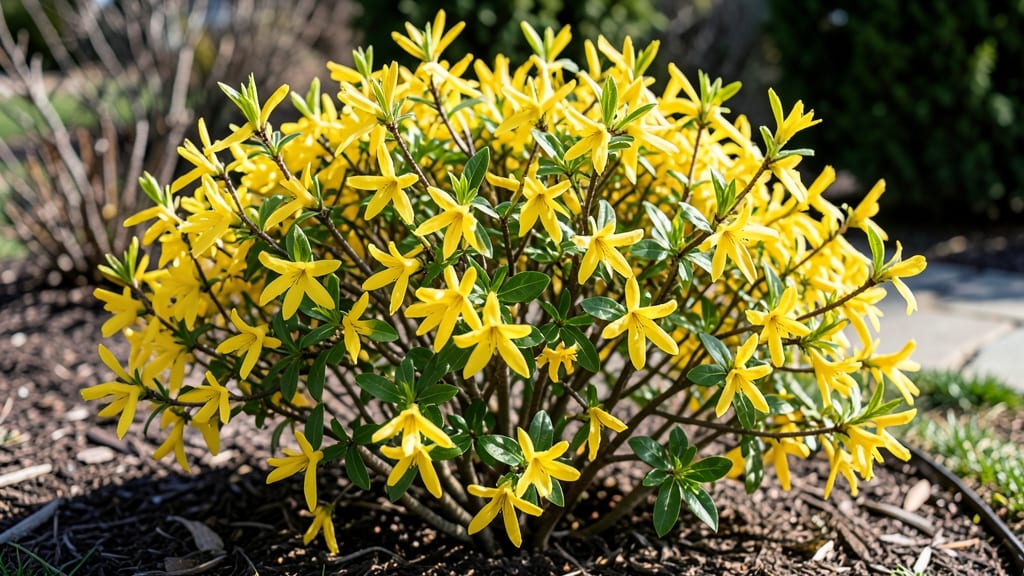
Forsythia blooms in Zone 7 typically between late March and early April 🌸, when the last frost has passed but before the heat sets in.
If you’ve ever wondered why your forsythia bushes bloom earlier than your neighbor’s—or why some years they seem to defy the calendar—Zone 7’s unpredictable frost patterns play a surprising role.
Timing these golden bursts of spring correctly could mean the difference between a showstopping display and missed blooms entirely. Most varieties like 'Spectabilis' or 'Lynwood Gold' rely on a balance of chill hours and warm days, which can shift from year to year.
Below, I’ll break down the exact weeks by variety, how frost timing affects blooms, and what you can do to protect your forsythia—so you’re always ready when those cheerful yellow flowers arrive.
Forsythia bloom timing in Zone 7: exact weeks by popular variety
If you’re planning your spring garden around forsythia blooms, knowing the exact weekly timing for your specific variety can transform your expectations into reality.
In USDA Zone 7, these golden shrubs typically burst into color between late March and early April, but the precise window depends on the cultivar and local microclimates. Understanding these patterns helps you anticipate the peak bloom period and even protect delicate buds from late frosts.
Zone 7’s frost-free dates (average last frost around March 15) create a critical window for forsythia. Some varieties bloom 3-4 weeks earlier than others, so choosing the right type for your garden could mean the difference between a showstopping display and missed blossoms.
Let’s break down the bloom timing for the most popular forsythia cultivars in Zone 7.
| Variety | Avg. Bloom Start (Zone 7) | Peak Bloom Period | Frost Sensitivity | Notes |
|---|---|---|---|---|
| 'Spectabilis' | Late March (Week 11-12) | Early to mid-April (Weeks 14-16) | High (buds vulnerable until mid-April) | Classic variety; most reliable bloomer |
| 'Lynwood Gold' | Early April (Week 14-15) | Mid-April (Weeks 16-17) | Moderate (buds hardier than 'Spectabilis') | Brighter yellow blooms; slightly later but more frost-tolerant |
| 'Northern Gold' | Mid-April (Week 16) | Late April (Weeks 17-18) | Low (best for late frosts) | Cold-hardy; ideal for northern Zone 7b |
| 'Densiflora' | Early April (Week 14) | Early to mid-April (Weeks 14-16) | High (compact growth, delicate buds) | Dwarf variety; great for containers |
| 'Show Off' | Late March (Week 11-12) | Early April (Weeks 13-15) | Moderate (longer bloom duration) | Prolonged flowering; popular hybrid |
For Zone 7a gardeners (colder microclimates), expect forsythia blooms to arrive 1-2 weeks later than the average dates above. The 'Northern Gold' variety is your best bet for reliable blooms in these areas, as its buds form later and tolerate 28°F temperatures better than other types.
Meanwhile, Zone 7b gardeners often see blooms 7-10 days earlier, especially in sheltered locations.
One of the biggest challenges in Zone 7 is late-spring frosts, which can devastate forsythia buds just as they open. The 'Spectabilis' variety, while stunning, often suffers from frost damage if temperatures dip below 30°F during bloom.
To mitigate risks, plant frost-sensitive varieties like 'Spectabilis' near south-facing walls or use frost cloth during critical bloom weeks (March 20-April 5).
If you’re wondering why your forsythia bloomed earlier or later than expected, consider these factors: soil temperature (warmer soil = earlier blooms), winter chilling hours (Zone 7 typically gets enough), and pruning timing (pruning after bloom encourages next year’s buds to form earlier).
For example, if you pruned in late spring instead of early spring, you might see blooms delayed by 1-2 weeks the following year.
Pro tip: Mark your calendar for March 15—this is the average last frost date in Zone 7. Varieties like 'Lynwood Gold' and 'Show Off' often peak around this time, making it a great window to capture photos or plan garden tours.
For a longer display, mix early bloomers (like 'Spectabilis') with late bloomers (like 'Northern Gold') in your landscape design.
Remember, forsythia blooms are short-lived—typically lasting only 2-3 weeks—so timing your garden visits or photography sessions is key. The peak bloom period for most Zone 7 forsythias falls between April 1-15, aligning perfectly with the arrival of hummingbirds and other early pollinators.
Plan your garden’s supporting cast (like spring bulbs or early perennials) to complement this fleeting but brilliant display.
For gardeners in Zone 7b, where springs arrive earlier, consider adding early-blooming varieties like 'Spectabilis' to your landscape. In Zone 7a, focus on cold-hardy types such as
How frost timing in Zone 7 affects forsythia blooms (and how to protect them)
Forsythia bushes in Zone 7 typically bloom between mid-March and early April, but late-spring frosts can wreak havoc on those vibrant yellow buds. The problem? Forsythia blooms on old wood, meaning last year’s growth carries this year’s flowers.
When a 28°F frost hits after buds form but before blooming, the damage is often irreversible.
Zone 7’s unpredictable frost patterns make timing especially tricky. While the average last frost date is March 15, some years bring freezing temps as late as April 10.
This means your forsythia’s 3-4 week bloom window could easily overlap with frost risks, leaving you with bare branches instead of cascading flowers.
⚠️ Critical Frost Threshold for Forsythia
Bud Formation: Starts in late winter (Jan-Feb) when soil temps hit 40°F+. Bloom Stage: Vulnerable from mid-March until April 15. Frost Risk: Any temp below 28°F can kill buds.
Action: Monitor your local frost-free date and protect plants if buds appear 2-3 weeks before the average last frost.
To maximize your forsythia’s chances, start by choosing the right microclimate. Plant near south-facing walls or heat-retaining structures that absorb sunlight during the day and radiate warmth at night. Even a 3-5°F temperature buffer can mean the difference between frost damage and full blooms.
Mulching is another game-changer for frost protection. Apply a 3-4 inch layer of organic mulch (like shredded bark or straw) around the base in late winterraises soil temps by 2-4°F, reducing frost penetration.
For extra protection, cover young plants with frost cloth on cold nights—especially if buds have formed but haven’t bloomed yet.
Strategic pruning timing also plays a role. Avoid heavy pruning until after blooming, as you risk removing next year’s flower buds. Instead, do light shaping prunes in late spring or early summer to encourage new growth that will carry next year’s blooms.
If frost damage occurs, prune dead branches immediately to redirect energy to healthy growth.
For high-risk years, consider applying a commercial anti-desiccant spray (like Wilt-Pruf) to buds in late winterprotective film that reduces water loss and increases frost tolerance by 2-3°F.
Pair this with a drip irrigation system set to run slowly overnight—the released heat can raise temps by 1-2°F in critical frost events.