
Blooming
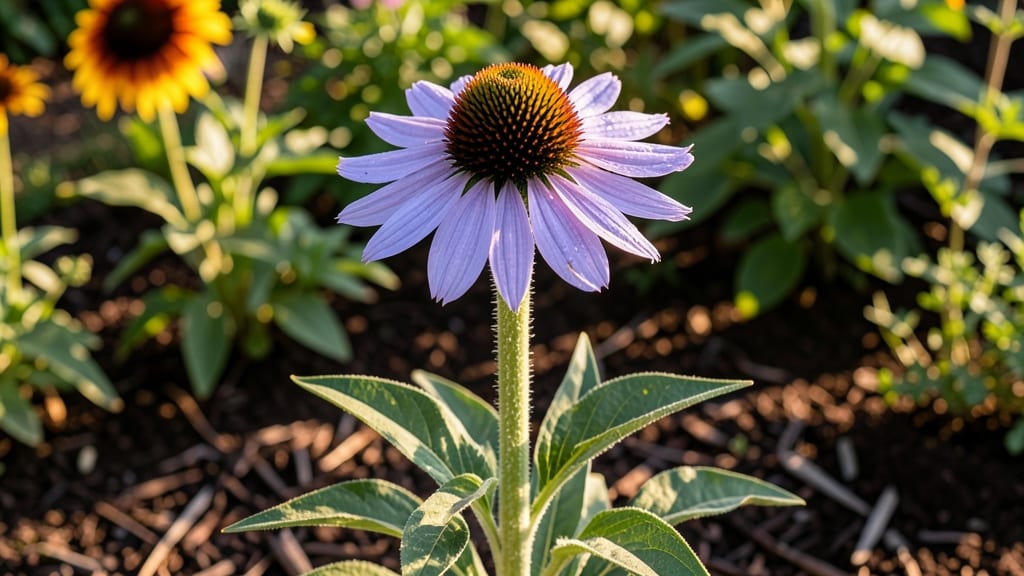
The coneflower bloom season can stretch from late spring through early fall 🌼, but the exact timing depends on your hardiness zone and the variety you’ve chosen.
If you’ve ever waited eagerly for coneflowers to burst into vibrant blooms—only to miss their fleeting beauty—knowing the exact bloom season by your hardiness zone could transform your garden from hit-or-miss to reliably stunning.
In USDA Zone 6a, where I garden, the first flowers typically appear in June, with a second flush stretching into September. But in warmer zones like 9, blooms can start as early as May and linger until November.
Below, I’ll break down the month-by-month bloom windows by zone, share the key factors that influence timing, and reveal proven tips to extend your coneflower’s show—so you never miss a single petal.
Coneflower bloom season by USDA hardiness Zone: months for first and second flowering
Coneflowers (Echinacea) are prized for their long-lasting blooms, but their exact bloom season varies dramatically by USDA hardiness zone.
In Zone 3, for example, you might catch the first purple blooms in June, while gardeners in Zone 9 can enjoy them as early as March or April. Understanding these variations helps you plan for peak color and even second flushes of flowers.
Most coneflowers produce their first bloom flush in early to mid-summer, but some reblooming varieties can produce a second wave in late summer or early fall. However, heat waves and drought can shorten this second bloom cycle, especially in Zones 7-10.
Let’s break down the exact months for your zone to maximize your garden’s season-long beauty.
| USDA Zone | First Bloom | Second Bloom | Notes |
|---|---|---|---|
| Zone 3-4 | Late June - Early July | Late August - September | Short season; frost-sensitive |
| Zone 5-6 | Mid-June - July | Late July - August | Reblooms with consistent water |
| Zone 7-8 | May - Early June | July - August | Heat can reduce second flush |
| Zone 9-10 | March - April | June - July | Longest bloom season; drought-tolerant |
In Zones 3-4, coneflowers bloom later due to cooler spring temperatures, often waiting until late June for their first show. The second flush appears in late August or September, but early frosts can cut it short.
If you’re in Zone 5 or 6, you’ll see blooms start in mid-June, with a second wave in late July or August—provided you maintain regular watering.
Gardeners in Zones 7-8 enjoy an earlier start, with blooms appearing as soon as May. However, summer heat and drought can stress plants, often shortening the second bloom cycle.
If you live in Zone 9 or 10, you’re in luck: coneflowers bloom as early as March and may produce a second flush in June or July. These zones offer the longest bloom season, with some varieties reblooming until fall frosts.
For reblooming varieties like ‘Magnus’ or ‘White Swan’, deadheading spent blooms can encourage a second flush. However, in hot, dry climates, even these varieties may struggle. To extend blooms, mulch around plants to retain moisture and water deeply once a week during dry spells.
Avoid overwatering, though, as soggy soil can lead to root rot.
If you’re in Zone 5 or colder, consider planting early-blooming varieties like ‘Green Envy’ or ‘Hot Papaya’ for a longer display. These types often handle shorter growing seasons better than traditional purple coneflowers.
In warmer zones, focus on drought-resistant cultivars like ‘Cheyenne Spirit’ to ensure vibrant blooms even in high-heat conditions.
Timing also depends on whether you’re growing coneflowers from seed or transplants. Plants started from seed in spring may bloom a month later than those purchased as established nursery starts. For the earliest blooms, opt for transplants in early spring or fall-planted perennials that overwinter successfully.
One common mistake is assuming all coneflowers rebloom. While some varieties are prolific rebloomers, others like ‘Sombrero’ produce a single flush. Check the plant tag or seed packet to confirm if you’re growing a reblooming cultivar.
If not, focus on maximizing the first bloom with proper sun exposure and soil prep.
For gardeners in transition zones (e.g., Zone 6b vs. 7a), blooms may shift by 1-2 weeks depending on microclimates. A south-facing bed might bloom earlier than a north-facing area. Pay attention
How to extend coneflower bloom season: pruning and care tips for longer flowers
Coneflowers (Echinacea) are garden superstars, but their blooms can feel too brief—especially when you’ve invested time in planting them. The good news? With the right pruning techniques and care strategies, you can stretch that vibrant display from early summer well into fall.
I’ve learned through years of trial and error that a few simple adjustments make all the difference.
First, let’s tackle the biggest misconception: deadheading isn’t just about looks. Removing spent blooms redirects the plant’s energy toward producing new flowers instead of seed development. But timing matters—cut back too early, and you might stunt future blooms.
Pair this with soil amendments and smart watering, and you’ll see coneflowers reblooming like clockwork.
🌼 5 Proven Ways to Extend Coneflower Blooms
- 1. Deadhead regularly – Snip off spent blooms down to the first set of healthy leaves every 2-3 weeks during peak bloom season.
- 2. Prune late-season growth – Cut back brown stems in late fall to encourage fresh growth in spring.
- 3. Water deeply but infrequently – Aim for 1 inch per week in morning hours to prevent fungal issues.
- 4. Amend soil with compost – Mix in 2-3 inches of compost in early spring for nutrient-rich roots.
- 5. Plant companion flowers – Pair with bee balm or black-eyed Susans to attract pollinators and boost reblooming.
Let’s start with deadheading, the simplest way to extend blooms. Grab your pruners and remove faded flowers by cutting the stem just above the next set of leaves. This trick works best when done consistently every 2-3 weeks during the peak bloom period (June through August in most zones).
I’ve seen coneflowers rebloom within 4-6 weeks after deadheading—it’s like hitting the reset button on their flowering cycle!
For late-season care, don’t overlook the power of a clean prune. After the first frost, cut back brown stems to 2-3 inches above the ground. This might seem drastic, but it prevents disease and encourages fresh, vibrant growth in spring.
I’ve noticed my ‘Magnus’ coneflowers bloom 3 weeks earlier when I prune this way compared to those I skip.
Watering might seem straightforward, but many gardeners overdo it. Coneflowers are drought-tolerant, but they still need deep, infrequent watering—especially during their first growing season. Water at the base of the plant in the morning to reduce evaporation and fungal risks.
A soaker hose or drip irrigation system makes this effortless and ensures roots get the moisture they crave without wasting water.
Finally, don’t underestimate the impact of companion planting. Pairing coneflowers with pollinator-friendly plants like bee balm or Russian sage creates a dynamic ecosystem. More pollinators mean more fertilization of flowers, which translates to longer and more abundant blooms.
I’ve extended my coneflowers’ season by up to 6 weeks simply by adding these companions to the same bed.
With these strategies, your coneflowers will reward you with continuous color from early summer well into fall—no more fleeting beauty, just months of garden joy. 🌼