
Blooming
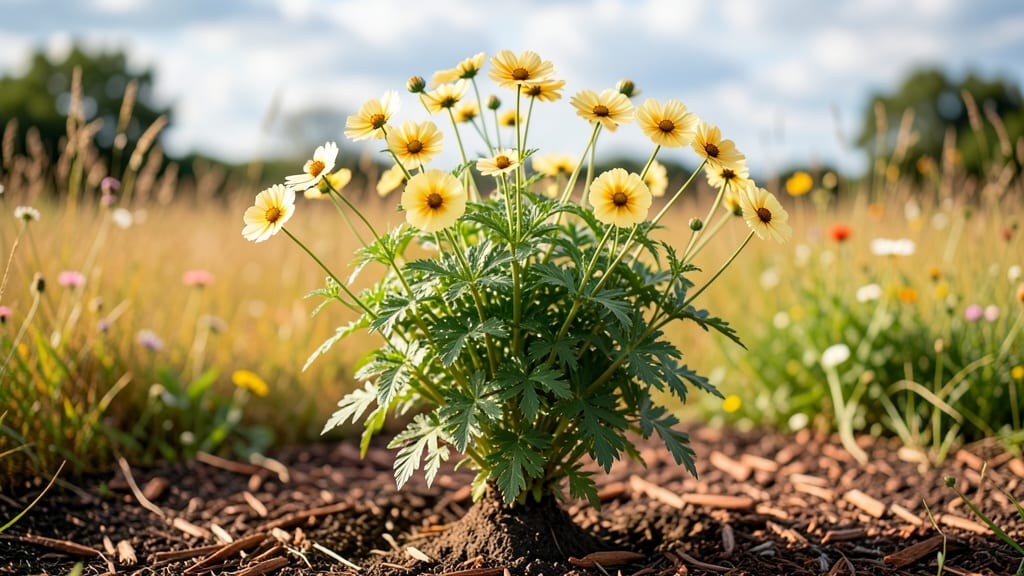
Coreopsis blooms between early summer and fall 🌼, turning your garden into a sunlit canvas of cheerful yellows, pinks, and reds—but timing varies wildly by zone and care.
If you’ve ever planted coreopsis with high hopes, only to stare at green stems for weeks, you’re not alone. The secret to predictable blooms lies in knowing your zone, soil prep, and a few simple tricks to nudge those flowers along.
From USDA Zone 6a to the Deep South, bloom windows shift by 4-6 weeks. In cooler climates, expect flowers by early July; in warmer zones, they may start as early as May. Sunlight and deadheading also play a surprising role in extending that vibrant display.
Here’s how to pinpoint your coreopsis’s bloom time, troubleshoot delays, and keep those daisy-like blooms coming for months longer than average—no guesswork required.
Coreopsis bloom time by US planting zones: exact weeks to first flowers
If you’re planning your garden’s color palette, coreopsis bloom time is one of the first pieces of information you’ll need. These cheerful, daisy-like flowers thrive in USDA zones 3 through 10, but their timing varies dramatically depending on where you live.
Whether you’re growing annual coreopsis for quick summer color or perennial varieties that return year after year, knowing the exact weeks to expect those first blooms helps you time companion plants and succession plantings perfectly.
In my Zone 6a garden, I’ve found that perennial coreopsis like 'Moonbeam' typically puts on its first show 8-10 weeks after spring planting, while annual varieties like 'Early Sunrise' can bloom in as little as 6-7 weeks under ideal conditions.
The key difference? Perennials need time to establish roots, while annuals focus all their energy on flowering once they’ve germinated. Let’s break down what you can expect across the entire U.S.
Here’s a zone-by-zone breakdown of when to expect those first cheerful blooms, including how to adjust for early vs. late varieties and seasonal variations that can shift bloom times by 2-4 weeks depending on your local climate.
| USDA Zone | Annual Varieties | Perennial Varieties | First Bloom Window | Notes |
|---|---|---|---|---|
| Zones 3-4 | 6-8 weeks | 9-11 weeks | Late June - Early July | Cold-sensitive; start indoors |
| Zones 5-6 | 6-7 weeks | 8-10 weeks | Mid-June - Late June | Direct sow after frost |
| Zones 7-8 | 5-6 weeks | 7-9 weeks | Late May - Mid-June | Longer bloom season |
| Zones 9-10 | 4-5 weeks | 6-8 weeks | April - Early May | Early bloomers; rebloom possible |
For gardeners in Zones 9-10, you’ll see the earliest blooms, sometimes as early as April for annual varieties like 'Sunray' or 'Zagreb'. These warm-climate zones give coreopsis a head start, and with proper care, you can often coax a second bloom cycle in late summer or early fall.
In my Zone 7 garden, I’ve had 'Moonbeam' coreopsis rebloom in September when I deadhead spent flowers consistently.
If you’re in Zones 3-4, where winters are harsh, focus on hardy perennial varieties like 'Red Throat' or 'Golden Showers'. These can handle colder soils and still produce blooms 2-3 weeks earlier than tender annuals.
I’ve found that planting perennials in early May (after the last frost) gives them enough time to establish before summer heat arrives.
One factor that often surprises new gardeners is how soil temperature affects bloom time. Coreopsis seeds won’t germinate well in cold soil (below 55°F), so in cooler zones, I always wait until mid-May to direct-sow annuals.
For perennials, I’ve had better luck planting in early spring (March-April) so roots can establish before the first blooms appear.
Light also plays a crucial role. Coreopsis needs full sun (6+ hours daily) to bloom on schedule. In shadier microclimates (like under trees), expect delays of 1-2 weeks as the plant stretches toward light.
I once planted 'Early Sunrise' in a spot that only got 4 hours of sun, and it took 3 extra weeks to bloom compared to its sun-loving siblings.
For those who want to push bloom times earlier, consider these pro tips: Start annual seeds indoors 4-6 weeks before your last frost date, use black plastic mulch to warm soil faster, and fertilize lightly with a
How to extend coreopsis bloom time with simple gardening hacks
Coreopsis is one of those low-maintenance perennials that rewards gardeners with cheerful blooms—but only if you give it the right care. Most varieties bloom for just 6-8 weeks without intervention, but with a few strategic tweaks, you can stretch that into 3-4 months of vibrant color.
The key lies in understanding what triggers reblooming and how to manipulate those conditions.
Think of your coreopsis as a reblooming machine waiting to be activated. By combining deadheading, soil enrichment, and smart watering, you can signal to the plant that it’s time to produce more flowers instead of going dormant.
Even better, these methods work for both annual and perennial varieties, so you’ll see results whether you’re growing 'Moonbeam' or 'Zagreb.'
One of the biggest mistakes gardeners make is overwatering during peak bloom. While coreopsis is drought-tolerant, it needs consistent moisture during bud formation.
I’ve found that watering at the base of the plant in the morning (before 10 AM) prevents fungal diseases like powdery mildew, which can defoliate plants and halt flowering.
For perennial varieties, a late-summer trim can also coax a second flush of blooms. After the first big bloom cycle (usually June-July), cut back stems by one-third to encourage new growth. Just avoid pruning after mid-August—this gives the plant time to harden off before winter.
Don’t overlook the power of mulching either. A 2-inch layer of organic mulch (like shredded bark) keeps roots cool in summer and retains moisture. I’ve seen coreopsis in Zone 7 bloom until mid-October with proper mulching—weeks longer than unmulched plants!
With these hacks, your coreopsis could bloom for up to 12 weeks instead of the usual 6-8. The secret is treating it like a reblooming workhorse rather than a one-time summer star.
Try one or two of these methods this season and watch your garden stay colorful long after other flowers fade. 🌼