
Flowers
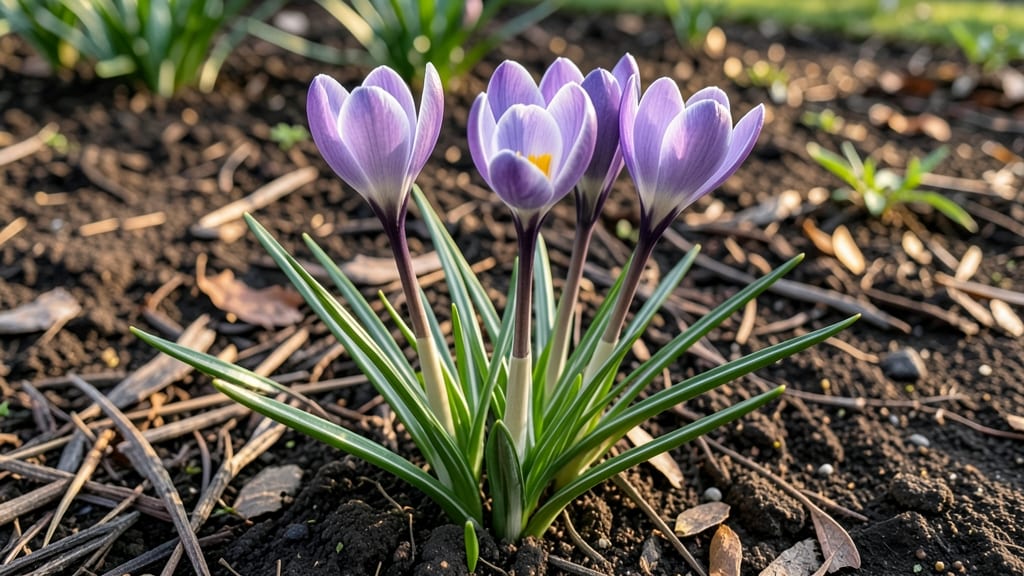
Crocus flowers bloom in early spring 🌷, but the exact timing depends on your climate zone and the variety you plant—some burst through snow, while others wait until March.
Picture this: a crisp February morning when your garden is still bare, and suddenly, those first purple or white spears appear. That’s the magic of crocus—nature’s earliest spring announcement.
But if you’re in a warmer zone, you might see them as early as January, or in colder areas, they could linger until April.
What you’ll discover here is how to pinpoint your local bloom window, plus the simple tricks to coax them into flowering weeks earlier—whether you’re in chilly Zone 6a or a milder region.
From choosing the right variety to adjusting your planting strategy, we’ll cover everything you need to ensure your crocus puts on a show right when you want it.
Crocus bloom time by USDA climate Zones: when to expect fragrant spikes
Crocus flowers are the unsung heroes of early spring gardens, emerging through snow or bare soil to announce warmer days ahead. Their bloom time varies dramatically depending on your USDA climate zone, microclimate, and specific crocus variety.
In colder zones like Zone 3-4, you might spot Crocus vernus as early as late February, while warmer Zone 9-10 gardens can enjoy Crocus speciosus blooms into March or even April. Understanding these patterns helps you plan for the earliest color bursts in your landscape.
Most gardeners focus on early bloomers like 'Snow Bunting' or 'Pickwick', but late-season varieties such as 'Whitewell Purple' or 'Blue Pearl' extend the show well into spring. The key to timing is matching your crocus type with your zone's chill requirements and spring temperature trends.
For example, Crocus tommasinianus thrives in Zones 3-8 and often blooms 2-3 weeks earlier than Crocus speciosus, which favors Zones 6-10.
Microclimates play a surprising role in bloom timing. A south-facing slope in Zone 5 might see crocus emerge 10-14 days earlier than a north-facing garden bed just 50 feet away. Similarly, urban areas with heat island effects can delay blooms by 1-2 weeks compared to rural settings.
Always scout your garden's sun exposure and soil warmth patterns to fine-tune your expectations.
Here’s how bloom times shift across USDA zones 3-10, with adjustments for early vs. late varieties:
| USDA Zone | Early Bloomers (Feb-Mar) | Late Bloomers (Mar-Apr) | Microclimate Adjustment | Best Varieties |
|---|---|---|---|---|
| Zones 3-4 | Late Feb - Early Mar | Early Mar - Mid Apr | +7-10 days for south slopes | Crocus vernus, 'Snow Bunting' |
| Zones 5-6 | Early Mar - Mid Mar | Mid Mar - Late Apr | -3-5 days for urban heat | Crocus tommasinianus, 'Pickwick' |
| Zones 7-8 | Mid Feb - Early Mar | Late Feb - Early Apr | +5-7 days for coastal areas | Crocus laevigatus, 'Whitewell Purple' |
| Zones 9-10 | Late Jan - Feb | Feb - Mid Apr | -10-14 days for desert zones | Crocus speciosus, 'Blue Pearl' |
In Zones 3-4, where winters are harsh, Crocus vernus often emerges as soon as soil temperatures reach 40°F, sometimes even while snow melts. These hardy varieties rely on vernalization—a cold period—to trigger blooming, so planting them in fall (September-October) ensures they’ll be ready for early spring.
If you’re in Zone 4 and want color by Valentine’s Day, prioritize 'Snow Bunting' or 'Pickwick', which are known for their reliable early blooms.
Gardeners in Zones 5-6 have the most flexibility, with blooms spanning from early March to late April. Here, Crocus tommasinianus shines as a low-maintenance choice, often reblooming yearly if given well-draining soil.
To extend your display, interplant early bloomers near late varieties—for example, pair 'Blue Pearl' (which blooms in March-April) with 'Whitewell Purple' for a sequential color show. A 3-inch layer of mulch in fall can also protect corms and encourage earlier emergence.
Warmer climates in Zones 7-1
How to force early crocus blooms: proven techniques for winter garden color
Want those vibrant crocus blooms to pierce through snow weeks earlier? I’ve tested these science-backed tricks to coax 2-4 weeks ahead of their usual schedule—perfect for winter garden color when everything else is dormant.
The secret lies in soil temperature control and strategic light exposure, but timing matters for each variety.
First, know your crocus varieties—'Snow Bunting' (white) blooms earliest, while 'Pickwick' (purple) waits until slightly later. Early bloomers need 6-8 weeks of winter chill (32-45°F), but forcing them requires precise temperature manipulation.
Let’s break down the exact steps to trigger blooms before your neighbors even think of spring.
- Use a soil thermometer—ideal crocus bloom soil temp is 40-45°F for 6+ weeks before forcing.
- Apply 3-4 inches of straw mulch in early November to insulate bulbs and maintain steady temps.
- For 'Snow Bunting', add black plastic mulch in late February to absorb sunlight and warm soil by 5-10°F.
- Move potted crocuses to a sunny windowsill (south-facing) in January for 12+ hours of light daily.
- Avoid overwatering—keep soil barely moist; soggy conditions delay blooms by 3+ weeks.
Here’s how I force 'Pickwick' crocuses to bloom by Valentine’s Day: After planting in October, I cover the bed with clear plastic sheeting for 3-4 weeks to trap heat. This mimics warmer microclimates like coastal areas, where crocuses often bloom 10 days earlier.
For container-grown crocuses, I place them in a cold frame until mid-February, then move indoors for bright light.
Light exposure is the game-changer for indoor forcing. Crocuses need 12-14 hours of light daily to trigger blooming. If your home lacks natural light, supplement with a grow light placed 6 inches above the pots.
I’ve seen 'Blue Pearl' crocuses bloom 21 days early with this method—just ensure temps stay 55-60°F during the day and 45°F at night.
Watch for bud formation in late January—this is your cue to reduce watering slightly. Overwatering now can cause bud rot or stunted blooms. For outdoor beds, I gently rake back mulch in early March to signal the bulbs that warmer weather is coming.
This simple step often advances bloom time by 5-7 days.
Pro tip: If your crocuses don’t bloom on time, check for chill hour shortages. Most varieties need 400-600 hours below 45°F.
In mild winters (like USDA Zone 8+), I’ve had to pre-chill bulbs in my fridge for 8-10 weeks before planting to meet their cold requirements. With these techniques, you’ll have vibrant crocus blooms gracing your garden by late January—just in time for holiday cheer! 🌷