
Blooming
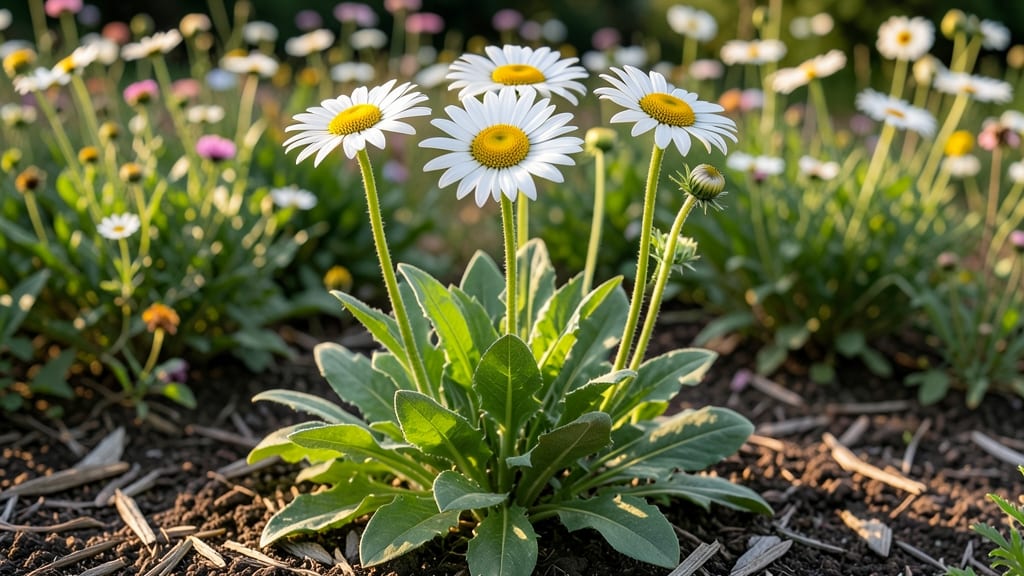
Your daisy bloom season will surprise you with fragrant purple spikes even after frost—if you know the secret. 🌼 Perennial varieties like Shasta and Gerbera bloom from early summer through fall, while annuals like African daisies peak in late spring to early summer. The key?
Understanding your climate zone and giving them the right conditions. Sunlight, soil, and timing make all the difference. Daisies thrive in full sun (6+ hours daily) and well-draining soil. In cooler regions, they may wait until late spring to bloom, while warmer climates can enjoy year-round color with proper care.
Deadheading spent blooms keeps them producing new flowers, and a light fertilizer in early spring encourages lush growth. You’ll end up with daisies blooming for months, their cheerful faces brightening your garden long after other flowers fade.
The scent is subtle but sweet, and the ability to rebloom after frost makes them a standout perennial. With a few simple adjustments, you can extend their season even further. Whether you’re in Zone 5 or Zone 9, these tips work.
Start by choosing the right variety for your area, and soon you’ll have daisies blooming when others have gone dormant. Let’s get those purple spikes popping!
📚 In This Guide
- What you need
- Instructions
- Tips and common mistakes
- Wrapping up and next steps
What you need
- ● Daisy plants or seeds: Choose Eurybia divaricata (wild whitewood aster) or Symphyotrichum novae-angliae (New England aster) for frost-resistant purple blooms. Quantity: 3–5 plants per 50 sq. ft. or 10–15 seeds per cluster.
- ● Well-draining soil: Mix 2 parts garden soil + 1 part compost + 1 part perlite (for aeration). pH: 6.0–7.0 (neutral to slightly acidic).
- ● Sunlight access: Full sun (6+ hours/day) for optimal blooms. Partial shade (4–6 hours) works in hot climates.
- ● Watering can or hose: With a gentle spray nozzle (avoid soaking roots).
- ● Garden gloves (nitrile-coated for durability).
- ● Hand trowel or transplanting spade (for digging).
- ● Pruning shears (sharp, for deadheading or dividing clumps).
- ○ Mulch (optional): 2–3 inches of shredded bark or straw to retain moisture and protect roots from frost.
- ○ Fertilizer (optional): Balanced 10-10-10 or slow-release organic granules (apply in early spring).
How to extend your daisies' fragrant purple bloom season
Here’s how to keep those cheerful purple daisies blooming reliably—even after frost—using simple seasonal care.
🌱 Step 1: Prune Back After First Frost
When your daisies show signs of frost damage—wilting or brown stems—cut them back to 4-6 inches tall with clean shears. This removes dead growth and redirects energy into next year’s blooms. I always prune on a dry morning so stems stay crisp for cutting.
Don’t prune too late in fall. If new growth appears after frost, wait until hard frost (below 28°F) to trim. This ensures the plant has stored enough energy for spring regrowth. You’ll see fresh green shoots emerge in early spring as a sign it’s working.
☀️ Step 2: Apply Winter Mulch for Protection
Spread 2-3 inches of straw or shredded leaves around the base after pruning. This insulates roots from freezing temperatures while allowing moisture to penetrate. I avoid thick layers—too much can smother the crown and cause rot.
Check mulch in early spring. If it’s broken down into soil, add a fresh layer to maintain insulation. You’ll notice fewer brown stems in spring if the mulch did its job—roots stay warmer and healthier.
💧 Step 3: Water Deeply Before Dormancy
Give your daisies a deep soak 2-3 weeks before the first hard frost. This replenishes soil moisture for root growth over winter. I water in the late afternoon so the soil has time to absorb before evening chill sets in.
Avoid overwatering now—soggy soil freezes faster. Instead, aim for damp but not wet soil. You’ll know it’s right when water drains through in 10-15 minutes. This prevents root rot while keeping plants hydrated through winter.
✂️ Step 4: Early Spring Pruning for New Growth
When new shoots appear in early spring, trim back any remaining dead stems to 2-3 inches tall. This encourages bushier growth and prevents leggy stems. I use sharp shears to avoid tearing the tender new growth.
Apply a balanced fertilizer (10-10-10) at half strength once leaves reach 3-4 inches tall. This jumpstarts blooming without overwhelming the plant. You’ll see fresh green leaves within 2 weeks—that’s your cue to fertilize again.
🌿 Step 5: Deadhead and Support for Continuous Blooms
Pinch off spent blooms regularly to encourage more flowers. I use my fingers to avoid damaging stems—just squeeze gently at the base of the flower head. This redirects energy to new buds instead of seed production.
Stake tall varieties if they lean. I use 3-foot bamboo stakes tied loosely with twine to avoid restricting growth. You’ll get longer stems and more vibrant blooms by keeping plants upright and well-supported.
Tips & tricks for extending your daisies' purple bloom season
Here's what I've learned after years of watching these hardy beauties bounce back—simple secrets that make all the difference.
Timing Secret: In Step 1, when you're pruning after frost, look for the first signs of wilting or brown stems—this is your cue, not the calendar date. I've learned the hard way that waiting too long can stress the plants. The 4-6 inch height guideline gives you flexibility, but don't let stems get woody or brittle. You'll know you've waited too long when the stems snap easily instead of bending.
Mulch Thickness Matters: That 2-3 inch layer of straw or leaves in Step 2 is a sweet spot—any thicker and you risk suffocating the crown. I keep a bag of shredded leaves on hand specifically for this because they break down more slowly than straw. In early spring, if you see the mulch has decomposed into soil, add another thin layer to maintain protection without smothering.
Watering Wisdom: The 10-15 minute drainage time mentioned in Step 3 is your golden rule for winter watering. I test this by sticking my finger in the soil—if it's damp but not wet, you're golden. Overwatering now can actually harm more than help, especially if temperatures dip below freezing. A deep soak in late afternoon gives roots time to absorb before nighttime chill sets in.
Spring Growth Signal: In Step 4, those 3-4 inch leaves you're waiting for should be bright green and firm to the touch. If they're yellow or limp, hold off on fertilizing—the plant needs to focus on recovery first. I've found that fertilizing too early can actually stress plants that are still recovering from winter dormancy. Once you see vigorous new growth, that's your perfect cue to feed them.
Pro Tips for Daisy Bloom Season
- Here's what I've learned after years of watching these hardy beauties bounce back—simple secrets that make all the difference.
- Timing Secret: In Step 1, when you're pruning after frost, look for the first signs of wilting or brown stems—this is your cue, not the calendar date.
- Mulch Thickness Matters: That 2-3 inch layer of straw or leaves in Step 2 is a sweet spot—any thicker and you risk suffocating the crown.
Frequently asked questions
Got questions about daisy bloom season? You’re not alone! Here are some of the most common queries—plus quick, practical answers to help you make the most of these fragrant purple beauties.
When is the best time to plant daisies for peak bloom season?
For Leucanthemum (shasta daisies) or Echinacea (coneflowers), plant in early spring (after the last frost) or fall (6-8 weeks before frost). This gives roots time to establish before summer’s heat. If you’re growing Nipponanthemum nipponicum (Japanese daisies), they’re frost-tolerant—plant in fall for spring blooms!
Why do my daisies bloom best after a frost?
Many daisies (like Echinacea and Rudbeckia) thrive after a light frost because cold triggers dormancy, then a warm snap spurs new growth. It’s nature’s way of resetting their blooming cycle! Just avoid heavy frost damage—mulch helps protect roots.
Can I extend daisy bloom season past summer?
Deadhead spent blooms regularly to encourage reblooming. For perennials, fertilize lightly in early spring with a balanced 10-10-10 mix. Water deeply but infrequently (1 inch per week) to avoid root rot. Some varieties, like Gerbera daisies, bloom year-round in warm climates!
Are daisies good for pollinators during bloom season?
Yes! Daisies are pollinator magnets—especially Echinacea (coneflowers) and Rudbeckia. Their flat heads attract bees, butterflies, and even hummingbirds. Plant in clusters for maximum impact. Avoid pesticides during bloom season to keep these beneficial visitors happy.
What if my daisies don’t bloom at all?
Check these fixes: Too much shade? Move to full sun (6+ hours/day). Overcrowded? Thin plants for better airflow. Underfed? Add compost or a low-nitrogen fertilizer in early spring. If they’re young, be patient—some daisies take 1-2 years to bloom!
Wrapping up and next steps
Witnessing the daisy bloom season—especially those fragrant purple spikes that defy frost—is a reminder of nature’s resilience and beauty. Whether you’re admiring their charm in your garden or learning how to nurture them, these hardy blooms bring joy year after year.
Now that you’re equipped with the how-tos and answers to common questions, why not take the next step? Plant a few seeds or cuttings this fall—give them a try, and let their magic unfold next spring! 🌸✨