
Blooming
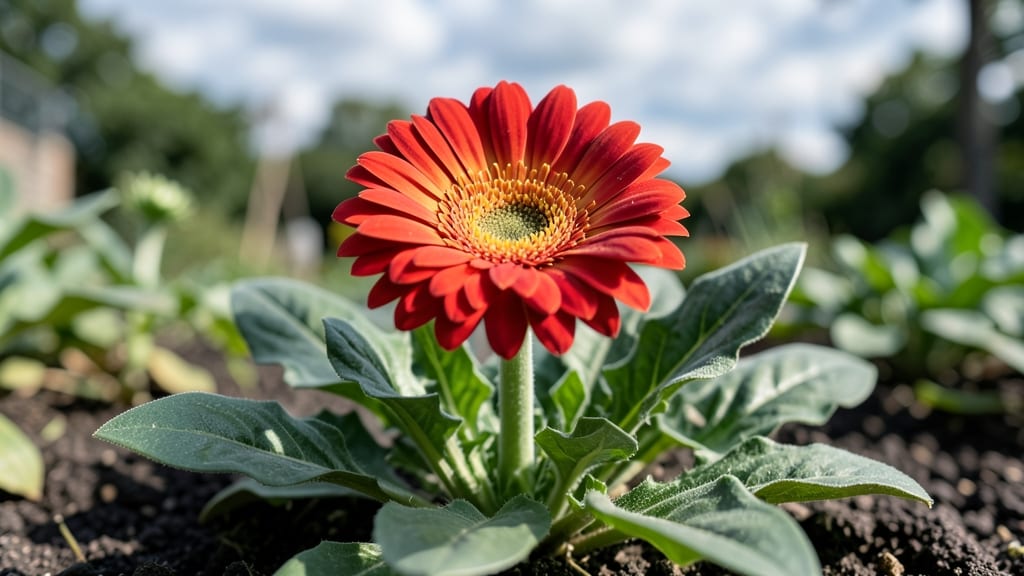
Gerbera daisies bloom all summer when given consistent full sun exposure (6+ hours daily), well-draining soil, and proper hydration—but their flowering patterns vary by variety, often fading after peak season unless you regularly remove spent blooms. Temperature fluctuations or dry spells can also reduce bloom duration.
These vibrant flowers thrive when you mimic their native African savanna conditions—think bright light and good airflow. 🌞 Varieties like 'Starburst' or 'Pavot' tend to bloom continuously when cared for properly, while others may need a mid-summer trim to encourage new growth.
The key is balancing moisture without waterlogging the roots, as soggy soil can trigger early dormancy. I've found that mulching helps maintain even soil temperatures, which keeps blooms coming all season long.
What's interesting is how some gerberas respond to cooler evenings—they'll actually produce more buds when nighttime temps dip into the 50s. This natural cycle explains why you might see sporadic blooms after peak summer if you don't provide consistent care.
For the longest flowering season, I recommend deadheading regularly and choosing heat-tolerant varieties like 'Mambo' or 'Safari,' which are bred specifically for extended bloom periods.
💡 In This Article
- Why Gerbera Daisy Blooming Cycles Vary by Season
- Extending Gerbera Daisy Blooms: Light, Soil, and Care Tips
Why gerbera daisy blooming cycles vary by season
Gerbera daisies exhibit seasonal blooming patterns due to their natural photoperiod sensitivity—a botanical response to changing daylight hours. These South African natives evolved in regions where summer days are long (14+ hours of light), triggering their flowering mechanism.
When daylight drops below 12 hours in late summer, many varieties enter a natural rest phase, producing fewer blooms unless you intervene with proper care. 🌞 The key hormone here is florigen, which plants produce in response to light exposure, and gerberas need consistent 6-8 hours of direct sunlight daily to maintain high florigen levels.
The temperature plays a surprising role too. While gerberas thrive in 65-75°F daytime temps, cooler evenings (around 55-60°F) actually stimulate bud formation. This explains why some gardeners see sporadic blooms in late summer—the plants are responding to natural temperature drops.
However, extreme heat above 85°F or sudden cold snaps below 50°F can shock the plant, causing buds to drop before opening. Varieties like 'Pavot' handle heat better than 'Orchid' types, which is why your summer blooming success depends heavily on choosing the right cultivar for your climate.
Another critical factor is dormancy patterns. Unlike annuals, many gerbera daisies are short-lived perennials in warm climates, meaning they'll naturally slow down production after their first peak bloom season.
The plant's energy shifts from flowering to root and foliage growth as daylight decreases—a survival strategy from their native environment where summer rains would replenish resources.
What most gardeners miss is that this dormancy can be delayed or minimized with proper deadheading (removing spent blooms) and consistent moisture, which keeps the plant focused on producing new flowers rather than conserving energy.
Let's talk about the science of light quality too. While gerberas need quantity of light (those 6+ hours daily), they also respond to light spectrum. Blue light (400-500nm wavelength) is particularly important for flowering, which is why morning sun (rich in blue light) is ideal.
Artificial grow lights with a 10,000K color temperature can supplement if natural light is insufficient, though they'll never fully replace sunlight. This is why container-grown gerberas often bloom less vigorously—they're more likely to receive filtered light that lacks the full spectrum needed for optimal florigen production.
Consider these variety-specific responses to seasonal changes:
- Heat-tolerant varieties: 'Mambo' and 'Safari' continue blooming in 90°F+ temps when given extra water and afternoon shade
- Cooler-climate types: 'Orchid' and 'Pavot' may enter dormancy earlier but produce more buds when night temps stay above 55°F
- Drought-resistant strains: 'Starburst' varieties show reduced blooming when soil moisture drops below 40% capacity
The most important takeaway is that gerbera daisies don't bloom continuously by nature—they follow seasonal cues that you can either work with or against.
Understanding these botanical triggers lets you extend their flowering period through strategic care, particularly in managing light exposure and temperature fluctuations that mimic their ideal African savanna conditions. 🌱