
Blooming
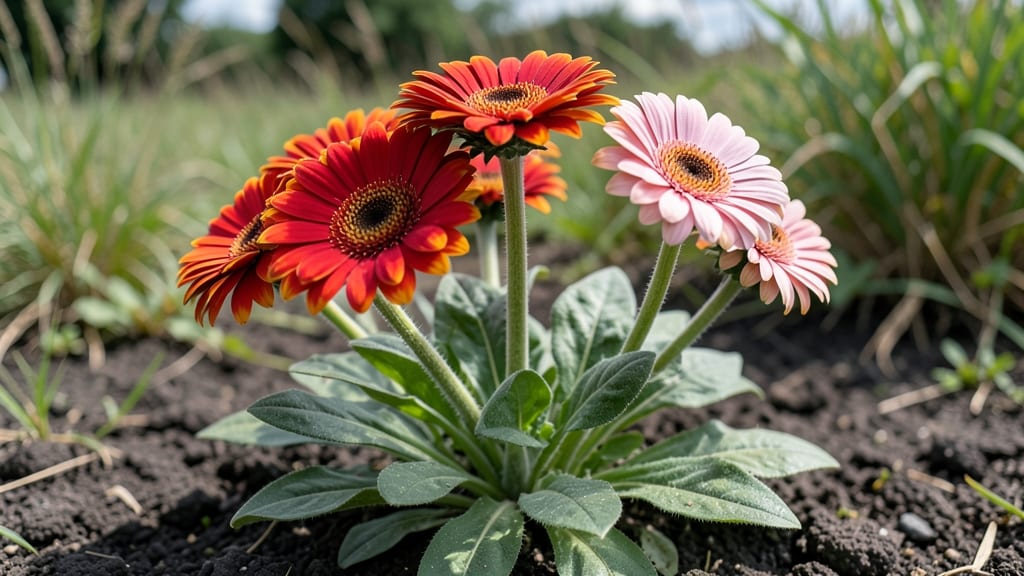
Daisies do not bloom all summer continuously, but many varieties—like Shasta daisies and gerbera daisies—produce multiple blooms seasonally if deadheaded regularly and given proper care. Perennial types often rebloom after initial spring flowering, while annuals may fade by mid-summer unless replanted.
Most daisies follow a natural blooming rhythm tied to their growth cycle, not a 24/7 summer display. 🌸 Perennial daisies like Shasta types store energy underground during winter, then push new blooms in spring and again in late summer if you remove spent flowers.
Annuals, however, typically bloom hard for 6-8 weeks before tapering off—unless you replant varieties like gerbera every few months. The key difference? Perennials have built-in energy reserves, while annuals burn out faster without renewal.
For gardeners wanting summer-long color, the secret lies in two habits: deadheading (snipping spent blooms) and feeding plants every 4-6 weeks with balanced fertilizer. I've seen Shasta daisies keep flowering into fall when given these basics, while gerbera daisies often need replanting by mid-summer to maintain their vibrant show.
The right soil mix—well-draining but moisture-retentive—also makes a huge difference in how long your daisies will keep producing blooms.
💡 In This Article
- Why Some Daisy Varieties Rebloom While Others Don’t
- Best Daisy Varieties for Extended Summer Blooms
Why some daisy varieties rebloom while others don’t
The blooming cycles of daisies hinge on their genetic classification as either perennials or annuals, which determines their energy storage and growth patterns. Perennial daisies like Shasta types store carbohydrates in their roots during the growing season, creating a reserve that fuels multiple blooming cycles.
This is why you’ll often see them produce a strong spring flush, then a second wave in late summer—if you remove spent blooms to redirect energy to new growth.
Annual varieties, however, complete their entire life cycle in one season, typically blooming hard for 6-8 weeks before their energy is exhausted.
Light exposure triggers these cycles too. Most daisies need at least 6-8 hours of direct sunlight daily to produce blooms, but prolonged hot afternoons can stress plants, causing them to go dormant mid-summer.
I’ve noticed that varieties like gerbera daisies—native to warmer climates—handle heat better than Shastas, which may need afternoon shade in zones above USDA 7. Temperature also plays a role: cooler spring and fall temperatures often stimulate new growth in perennials, while summer heat can halt flowering until conditions improve.
Deadheading is the single most effective way to extend blooming seasons. When you remove spent blooms, you’re signaling the plant to divert its energy toward new flower production rather than seed development. For Shasta daisies, this can mean 30-50% more blooms over the season if done consistently.
The key is timing—snip just above the first set of healthy leaves to encourage strong regrowth. Without this practice, many daisies redirect their energy to seed production, which is why you’ll often see them stop flowering abruptly.
Soil fertility matters just as much as sunlight. Daisy varieties with higher nutrient demands—like gerbera daisies—require well-draining, slightly acidic soil (pH 6.0-7.0) enriched with compost.
I’ve found that adding a slow-release fertilizer at planting time, followed by monthly applications of a balanced 10-10-10 mix, can double the blooming period in many varieties. The right soil mix also prevents nutrient burn, which can stress plants and reduce flowering.
Without proper nutrition, even the hardiest daisies will struggle to maintain continuous blooms.
Let’s compare three popular types: Shasta daisies typically bloom in two waves (spring and late summer) if deadheaded, gerbera daisies produce near-continuous blooms but require replanting every 2-3 months in hot climates, and oxeye daisies often bloom just once in early summer unless heavily pruned.
The difference comes down to their native growing conditions—Shastas evolved in temperate climates with distinct seasons, while gerberas thrive in consistent warmth. Understanding these traits helps you choose varieties that match your local climate and gardening goals.
What most gardeners overlook is how companion planting can extend the blooming season. Pairing daisies with deep-rooted plants like lavender (which improves soil drainage) or shallow-rooted herbs (which deter pests) creates a more resilient garden ecosystem.
I’ve seen daisy beds last 2-3 weeks longer when planted alongside marigolds, which naturally repel aphids—a common daisy pest that weakens plants and reduces flowering. The right companions can make all the difference in maintaining vibrant blooms through summer’s heat.