
Blooming
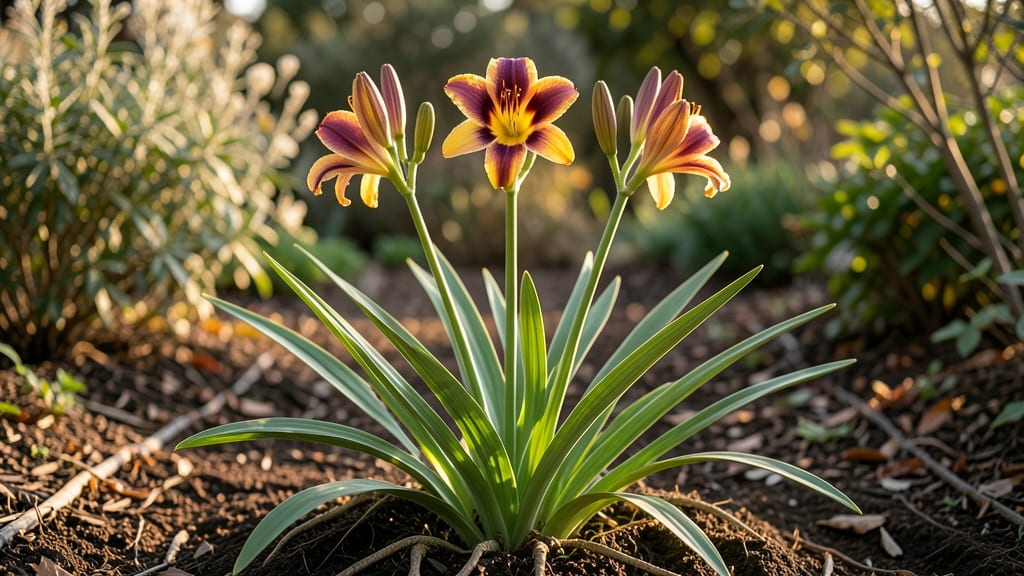
Daylilies bloom for weeks during their vibrant period, transforming your garden into a splash of color from late spring through early fall.
But here’s the catch: that bloom period isn’t set in stone—it shifts based on your variety, climate zone, and even how well you care for them. A Stella de Oro might start earlier in Zone 6a, while a Purple Smoke could linger into September if given the right conditions.
If you’ve ever wondered why your daylilies stopped blooming mid-summer or why some neighbors’ gardens stay in bloom longer, the answer lies in timing, sunlight, and a few simple tricks.
I’ll break down exactly when to expect those showstopping flowers, how to stretch the season, and what’s really holding yours back.
By the end, you’ll know the exact weeks to plan for blooms in your area—and how to keep those 🌸 flowers coming back week after week, no guesswork required.
Daylily bloom period by variety: exact weeks from planting to first flowers
If you've ever planted daylilies hoping for instant color, you know the wait can feel endless! The daylily bloom period varies wildly by variety—some burst into bloom in just 8 weeks, while others take 12-16 weeks to show their first flowers.
Understanding these timelines helps you plan your garden for maximum impact and avoid disappointment when your Stella de Oro doesn't bloom when you expect it to.
Daylilies are divided into three bloom categories: early-season (June), mid-season (July-August), and late-season (September). The variety you choose determines not just when blooms appear, but also how long they'll last. Some varieties rebloom naturally, while others produce a single spectacular show.
Let's break down the exact weeks from planting to first flowers for popular varieties, so you can plan your garden like a pro.
The Stella de Oro is my go-to for early color—it typically blooms in just 8-10 weeks after planting, making it perfect for filling gaps in your summer garden. Look for the first buds to swell in late May, with full blooms appearing in early June.
The flowers are bright yellow and nearly fungus-resistant, which is a huge plus in humid climates.
For those who love extended bloom periods, Happy Returns is a fantastic choice. This variety takes slightly longer to bloom—10-12 weeks—but rewards you with 6-8 weeks of continuous flowers if you deadhead regularly.
The blooms start in July and often continue into early September, providing a long-lasting show. You'll know it's ready to bloom when the foliage turns a deeper green and the stems elongate noticeably.
If you're after late-season drama, Purple Smoke delivers with its dramatic purple-black blooms. This variety takes the longest to bloom—12-14 weeks—but its September showstopper quality makes it worth the wait.
Unlike many daylilies, it doesn't rebloom, so timing is everything. Watch for the buds to form tightly in August, signaling the imminent bloom.
One of the most misunderstood aspects of daylily blooming is the reblooming habit. Varieties like Happy Returns and Stella de Oro can produce second flushes of flowers if you remove spent blooms promptly. This practice encourages the plant to redirect energy into new buds rather than seed production.
For non-rebloomers like Purple Smoke, focus on enjoying that one spectacular show and then let the plant rest for next year.
Visual cues are your best friends when predicting bloom times. Look for foliage color changes—healthier leaves often signal impending blooms. The stem elongation is another key indicator; when you see stems stretching toward the sky, blooms are just 1-2 weeks away.
Additionally, pay attention to the bud formation—tight buds mean imminent opening, while slightly open buds indicate peak bloom time.
Climate plays a huge role in bloom timing. In warmer zones (8-10), daylilies often bloom 2-4 weeks earlier than in cooler regions. For example, Stella de Oro might bloom in May in Zone 9, while in Zone 5, you won't see flowers until mid-June.
If you're in a cooler climate, consider planting early-blooming varieties like
How climate zones affect daylily bloom periods: adjusting expectations for your region
If you've ever wondered why your neighbor's daylilies bloom in June while yours wait until August, the answer likely lies in your USDA hardiness zone. Daylilies are remarkably adaptable, but their bloom periods shift dramatically depending on where you garden.
In warmer zones like 9-10, expect early blooms starting as soon as April, while cooler zones 3-5 may see flowers appearing in July or August.
Understanding these regional differences helps you set realistic expectations and plan your garden layout. For example, Stella de Oro—a popular compact variety—typically blooms 6-8 weeks after planting in zone 7, but that timeline extends to 10-12 weeks in zone 4.
This delay isn't a flaw; it's your plant adapting to shorter growing seasons.
| USDA Zone | Typical Bloom Start | Peak Bloom Month | Season Length | Notes |
|---|---|---|---|---|
| 3-5 | Late June | July-August | 6-8 weeks | Short season; mulch for warmth |
| 6-7 | Early June | June-July | 8-10 weeks | Classic mid-season bloomers |
| 8-10 | April-May | May-June | 10-12 weeks | Early blooms; may rebloom |
In cooler zones (3-5), daylilies often enter dormancy earlier, which can truncate their bloom season. To extend it, choose reblooming varieties like Happy Returns or Red Comet, which produce secondary blooms in fall. In these regions, I recommend planting heat-tolerant varieties near south-facing walls to capture extra warmth.
For gardeners in warmer zones (8-10), the challenge is different: preventing heat stress that can shorten bloom periods. Provide afternoon shade for varieties like Purple Smoke and ensure consistent moisture levels.
In my zone 9b garden, I've found that mulching with straw keeps roots cool and extends flowering into October.
Marginal zones like 6-7 offer the best balance, with long bloom seasons that often span June through August. Here, I focus on soil preparation—adding compost rich in organic matter—to give roots a strong start.
A well-fed daylily in zone 7 can produce 100+ blooms per stalk, creating a stunning display that lasts weeks.
Remember, even within a zone, microclimates play a role. A sunny spot against a brick wall might bloom 2-3 weeks earlier than a shady garden corner.
Use these insights to strategically place your daylilies for the longest possible show—because with the right variety and care, you can enjoy their vibrant blooms for nearly half the year! 🌸