
Blooming
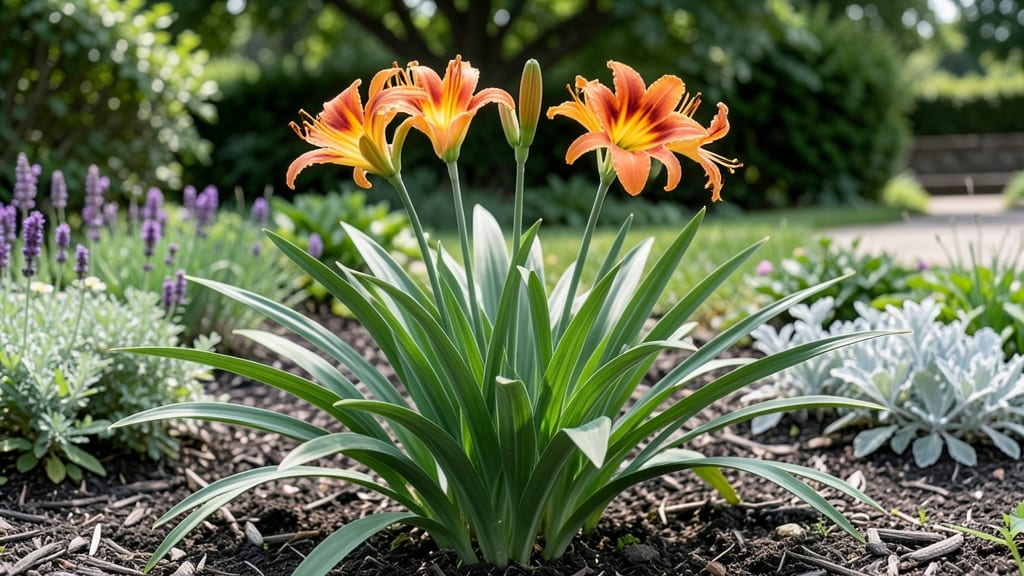
Daylilies in Zone 7 typically bloom between late spring and early fall, with reblooming varieties offering two to three flushes of stunning 🌸 flowers in a single season.
If you’re eager to enjoy vibrant daylily blooms in Zone 7, timing is everything—especially with reblooming varieties that can flower twice (or even three times!) in a single season. But when exactly should you expect those stunning petals to appear, and how can you maximize their performance?
The first flush usually arrives in May or June, depending on your microclimate, while the second wave peaks in July or August. Some late-blooming cultivars even surprise you with a third round in September, especially if summer temperatures stay mild.
In this guide, I’ll break down the month-by-month blooming schedule, share tips for extending your daylilies’ flowering season, and highlight the best reblooming varieties for Zone 7 gardens.
Zone 7 daylily bloom timeline: month-by-month flowering schedule for rebloomers
If you're growing reblooming daylilies in Zone 7, knowing their bloom schedule helps you plan your garden for maximum impact. Unlike single-bloom varieties, rebloomers can produce two or even three flowerings per season when given proper care.
The timing varies based on cultivar type—early, mid-season, or late—and your specific microclimate within Zone 7.
In most of Zone 7, daylilies typically kick off their first bloom in late May and continue through July, with some varieties extending into early August.
The second bloom often appears in late August to September, and a few hardy varieties might even surprise you with a third flush in October before frost. However, cooler microclimates (like higher elevations) may delay blooms by 2-3 weeks, while warmer areas could see earlier or extended flowering.
Here’s a month-by-month breakdown of what to expect from reblooming daylilies in Zone 7, including adjustments for cooler or warmer conditions:
| Month | Bloom Stage | Early Varieties | Mid-Season Varieties | Late Varieties | Cooler Microclimate | Warmer Microclimate |
|---|---|---|---|---|---|---|
| May | Early Bud Formation | Late May blooms | Early June blooms | June blooms | Delayed until June | Early May blooms |
| June | Peak First Bloom | Full bloom | Full bloom | Early bud stage | Peak in July | Extended bloom |
| July | First Bloom Fades | Declining | Peak | Full bloom | Mid-July peak | Possible second flush |
| August | Second Bloom Begins | Late blooms | Early second bloom | Peak second bloom | August blooms | Strong second bloom |
| September | Second Bloom Peaks | Possible late blooms | Full second bloom | Late second bloom | September blooms | Extended to October |
| October | Late Bloomers or Third Flush | Rare | Possible late blooms | Third flush possible | Frost-sensitive | Possible third
How to extend daylily blooming seasons in Zone 7: pruning, fertilizing, and care tipsReblooming daylilies in Zone 7 can put on a second (or even third!) show with the right care. The key lies in pruning techniques, fertilizing strategies, and seasonal adjustments that encourage continuous flowering. Unlike single-bloom varieties, rebloomers need gentle coaxing to keep producing those showstopping 6-inch blooms throughout the season. First, understand that daylilies thrive on routine. They reward consistent care with longer bloom seasons, but neglect can shorten their display to just a few weeks. My Zone 7 garden proves this—with proper maintenance, my 'Stella de Oro' reblooms from May through September, while 'Happy Returns' extends its show into October. 🌸 5 Key Steps to Extend Blooming
Let's start with pruning, the foundation of extended blooming. After your daylilies finish their first flush of blooms (typically May-June in Zone 7), remove spent flower stalks right at the base. This prevents seed formation and forces the plant to focus on foliage production—which directly translates to more reblooming energy later in the season. For fertilizing, timing matters just as much as the product. In early spring, apply a low-nitrogen fertilizer (like 5-10-10) to build root strength. Then, switch to a higher-phosphorus formula (10-20-10) when you see new shoots emerging—this promotes bloom production. My secret? Side-dressing with compost tea in July gives that final push for fall blooms. Don't overlook watering schedules, which can make or break your reblooming success. Daylilies are drought-tolerant once established, but deep, infrequent watering (1-2 inches per week) produces healthier stalks and larger blooms. I water mine before 10 AM to prevent fungal issues, and always soak the root zone—never just the surface. As summer winds down, shift your focus to seasonal prep. In late August, reduce watering slightly to harden off the plants for fall. Then, after your final bloom cycle (typically September-October), cut back dead foliage but leave the crowns intact—this protects against winter dieback while allowing early spring regrowth. With these strategies, you'll transform your Zone 7 daylilies from one-season wonders to year-round performers. The payoff? Months of color instead of just a few weeks, and plants that reward your efforts with vibrant, healthy blooms from spring through fall. 🌷 |