
Blooming
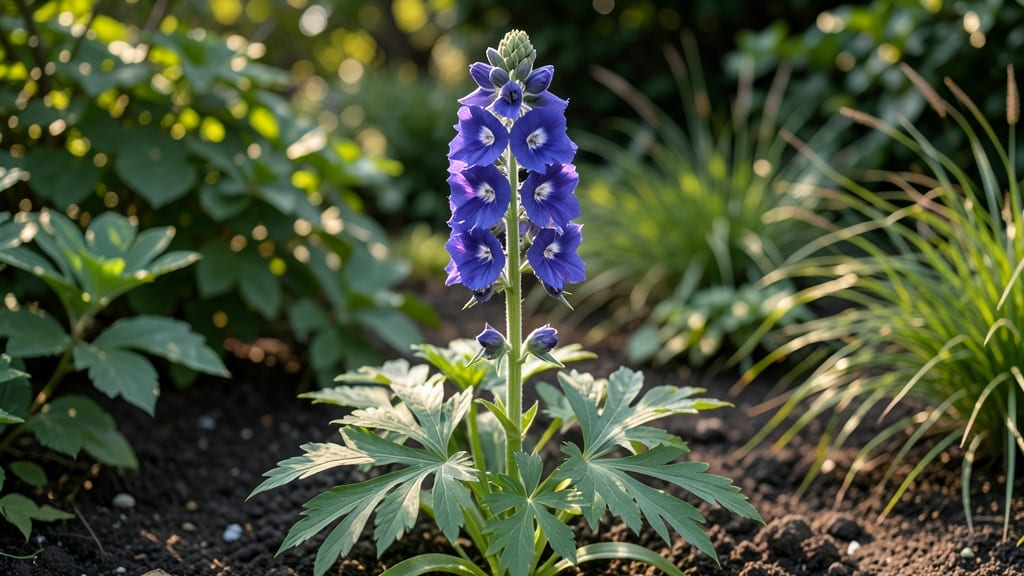
The delphinium bloom season in late spring to early summer 🌸 is magical, but the exact timing depends on your variety and growing conditions.
If you’ve ever waited eagerly for delphiniums to burst into vibrant blooms—only to see them fade too soon—you’re not alone. Mastering their bloom season isn’t just about timing; it’s about unlocking the secrets to year-round color by variety, and we’re breaking it all down.
From Pacific Giant delphiniums that tower over your garden in June to tropical varieties that bloom later into summer, each type has its own schedule. Climate, sunlight, and even soil nutrients play a role in when—and how long—your delphiniums will shine.
Here’s how to extend their bloom season, troubleshoot common mistakes, and pick the perfect varieties for your zone to keep your garden in full, eye-catching color all season long.
Delphinium bloom season by variety: peak times & hardiness zones
Delphiniums are the showstoppers of the garden, but their bloom timing varies wildly depending on whether you're growing perennial, biennial, or annual varieties. I’ve planted everything from towering Pacific Giants to delicate Delphinium ajacis, and the difference in bloom windows is staggering.
Understanding these cycles lets you plan for nonstop color—here’s how to time it right for your USDA hardiness zone.
Most gardeners assume all delphiniums bloom in late spring to summer, but tropical varieties like Delphinium ajacis (larkspur) often push blooms into early summer or even fall in warmer climates.
Meanwhile, hardy perennials like Belladonna may wait until mid-summer to really shine. The key? Matching your variety to your last frost date and sun exposure.
Cold-hardy delphiniums (zones 3-8) like Pacific Giant and Black Night typically bloom from June to August, while tender types need zone 9+ warmth to thrive. Even within perennials, first-year blooms can be sparse—many need two growing seasons to reach their full 4-6 foot glory. I’ll break down the bloom windows by category so you can plan ahead.
| Variety Type | Bloom Window | Hardiness Zones | Key Notes |
|---|---|---|---|
| Perennial (e.g., Pacific Giant) | June–August | 3–8 | First blooms year 2; deadhead for repeats |
| Biennial (e.g., Belladonna) | May–July | 4–9 | Blooms year 2; self-seeds aggressively |
| Annual (e.g., Delphinium ajacis) | April–June (or Sept–Nov in warm zones) | All zones (cool-season) | Direct-sow for earliest blooms; heat-sensitive |
| Tropical (e.g., Delphinium elatum) | July–September | 9–11 | Needs winter protection; slower to establish |
For perennial delphiniums like Pacific Giant, the real magic happens in year two—their first summer might disappoint with just a few spikes, but with proper winter mulch and spring feeding, they’ll reward you with 6-foot towers of blooms.
I’ve seen Black Night varieties hold their deep purple spikes for 6+ weeks if deadheaded regularly. The trick? Start deadheading spent blooms as soon as they fade to redirect energy to new growth.
If you’re in zones 3–5, focus on early-blooming perennials like Belladonna, which often flower in May before the heat sets in. These biennials are perfect for cutting gardens—they produce long stems that last weeks in vases.
Just remember: they’ll bolt to seed by July, so save some seeds for next year’s spring sowing.
Annual delphiniums, especially Delphinium ajacis (larkspur), are the fastest bloomers—some varieties flower just 8–10 weeks after sowing. In cooler climates, they’ll bloom in late spring, but in zone 9+, they often produce a second flush in fall. Pro tip: Direct-sow in early spring for the earliest color, or sow again in late summer for fall blooms.
Tropical varieties like Delphinium elatum are the late-season stars, thriving when other delphiniums fade. They need consistent moisture and afternoon shade in hot zones, but their July–September bloom window fills a critical gap.
I’ve grown them in containers on patios in zone 8 by moving them to shade during peak heat—this extends their season by 3–4 weeks.
One common mistake I see? Assuming all delphiniums have the same bloom triggers. Perennials need cold stratification to break dormancy, while annuals bolt if days get too long. For repeat blooming, I fertilize with a high-phosphorus feed (like 5-10-10) every 4–6 weeks during the growing season.
This keeps the flowers coming instead of one big summer burst.
How to extend Delphinium bloom season: pruning, deadheading & soil tricks
Delphiniums are showstoppers in any garden, but their short-lived blooms can leave you wishing for more color. The key to prolonging their flower displays lies in understanding their growth habits and applying targeted care techniques.
Unlike some perennials, delphiniums often produce a single flush of flowers unless you intervene with the right pruning and soil management strategies.
I’ve found that perennial varieties like Pacific Giant respond best to strategic deadheading, while biennials like Delphinium ajacis need a different approach to encourage reblooming.
The secret? Combining phosphorus-rich soil with precise timing for pruning and deadheading. Let’s break down the exact steps to turn your delphiniums into season-long stars.
- Deadhead weekly – Snip spent blooms right above the next set of buds to redirect energy into new flowers. Use clean, sharp shears to avoid damaging stems.
- Prune after first bloom – Cut back one-third of the plant height in late June to stimulate a second flush. Avoid heavy pruning in fall for perennials.
- Boost phosphorus – Amend soil with bone meal (5-10-10 NPK) in early spring and mid-summer to fuel flower production. Perennials need more potassium in fall.
- Stake early – Support tall varieties with soft ties before they topple over from heavy blooms. Prevents stem breakage that can shorten the season.
- Avoid overwatering – Delphiniums hate soggy roots. Water deeply but infrequently (every 7-10 days) to encourage strong root systems that support longer blooming.
For annual delphiniums, focus on continuous deadheading—these varieties rarely rebloom without it. I’ve seen Delphinium ajacis produce three rounds of blooms in one season when deadheaded every 5-7 days.
The trick is to never let a single bloom go to seed—this signals the plant to stop flowering.
Soil plays a critical role in reblooming. Test your soil’s phosphorus levels—delphiniums thrive with 40-60 ppm available P. If your soil is deficient, apply rock phosphate in early spring and composted manure in fall to build organic matter.
I’ve noticed that well-draining, slightly alkaline soil (pH 6.5-7.5) keeps my perennials flowering up to 6 weeks longer.
One common mistake I see is pruning too late in the season. For perennials, stop pruning by mid-August to allow foliage to photosynthesize and store energy for next year’s blooms.
Biennials, however, can handle light pruning until early September to coax extra flowers before winter. Always sterilize your shears with rubbing alcohol between cuts to prevent disease.
With these targeted techniques, you’ll transform your delphiniums from one-season wonders into garden staples that keep blooming from late spring through early fall. The effort pays off with taller stems, brighter blooms, and a longer display—exactly what makes delphiniums worth growing! 🌸