
Blooming
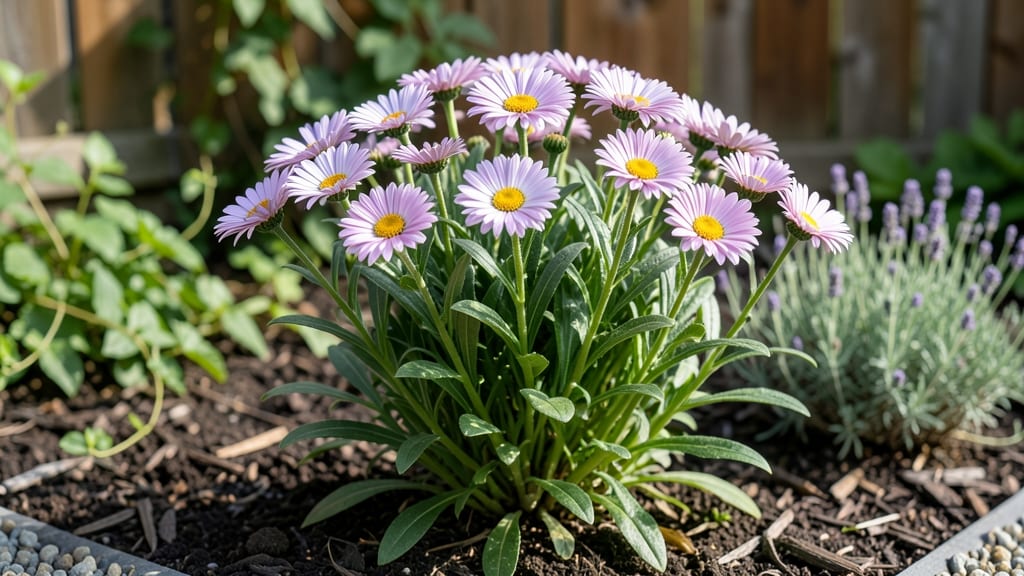
African daisies bloom all summer when given consistent care, thriving through heat until late summer or early fall. However, heat-sensitive varieties like 'Blue Horizon' or 'Pink Petticoat' may wilt faster during droughts or extreme temperatures. Regular watering and deadheading help sustain their vibrant display.
African daisies love heat but need balance—think of them as sun worshippers with a thirst for consistency. 🔥 The key is keeping soil evenly moist without waterlogging, especially during peak summer months when temperatures climb.
I've seen 'Butterfly' varieties push through until October with proper care, while others may fade by late August if stressed. Deadheading spent blooms isn't just about looks—it signals the plant to redirect energy toward new growth, which can extend the season by 3-4 weeks.
What many gardeners miss is how humidity plays a role. In dry climates, mulching with straw helps retain moisture while keeping roots cool. A light feeding with balanced 10-10-10 fertilizer every 6 weeks gives them the nutrients to fight heat stress.
The secret weapon? Morning watering—it prevents fungal issues from overnight dampness while giving flowers time to dry before evening.
💡 In This Article
- African Daisy Heat Tolerance and Seasonal Bloom Patterns
- Extending African Daisy Blooms Through Summer Care
African daisy heat tolerance and seasonal bloom patterns
African daisies thrive in heat because their native South African habitat exposes them to intense sunlight and dry conditions. These plants have evolved a deep root system that reaches 12-18 inches deep, allowing them to access moisture during droughts.
The waxy coating on their leaves reduces water loss through transpiration, similar to how cacti survive in arid climates. 🔥 This adaptation explains why varieties like 'Butterfly' can bloom continuously from May through October in ideal conditions, while others like 'Snowcap' may show signs of stress by late August.
The blooming cycle follows a photoperiod response—long daylight hours trigger flower production, but extreme heat (>95°F) can disrupt this process. When temperatures climb beyond their comfort zone, the plant conserves energy by slowing new bloom development.
Humidity also plays a crucial role: in dry climates (<30% humidity), African daisies may enter a semi-dormant state, causing flowers to wilt by midday before recovering in cooler evenings. This explains why 'Pink Petticoat' varieties often show late-summer wilting despite regular watering.
What's fascinating is how these plants manage their energy during heatwaves. The flowers themselves contain antioxidant compounds that protect their delicate petals from UV damage, allowing them to maintain vibrant colors even under intense sunlight.
However, when nighttime temperatures don't drop below 65°F, the plant's metabolic processes remain active, leading to accelerated water usage and potential stress. This is why morning watering (before 10 AM) is critical—it allows the soil to absorb moisture before the heat of the day.
Variety selection makes a significant difference in summer performance. 'Butterfly' series hybrids have been bred for heat tolerance up to 100°F, while older varieties like 'Blue Horizon' may show leaf scorch above 90°F.
The key difference lies in their leaf pubescence—modern hybrids have finer hair-like structures that reflect more sunlight, reducing heat absorption. This explains why some gardeners report 'Butterfly' varieties lasting 4-6 weeks longer in peak summer conditions compared to traditional types.
Interestingly, African daisies exhibit a secondary blooming pattern in fall when temperatures moderate. Many gardeners observe a 3-4 week revival in September-October as cooler nights and shorter days trigger new flower production. This natural cycle explains why even heat-stressed plants can make a dramatic comeback with proper care.
The secret lies in maintaining consistent soil moisture—never letting the roots dry out completely, even during heatwaves.
For those in USDA zones 8-10, African daisies can bloom year-round with minimal care, while northern gardeners (zones 5-7) typically see 10-12 weeks of continuous blooms.
The difference comes down to temperature extremes: plants in cooler climates experience more dramatic seasonal shifts that naturally reset their blooming cycles. 🌟 In heat-prone regions, the challenge is managing heat stress without overwatering—a balance that requires careful observation of leaf color and soil moisture levels.