
Blooming
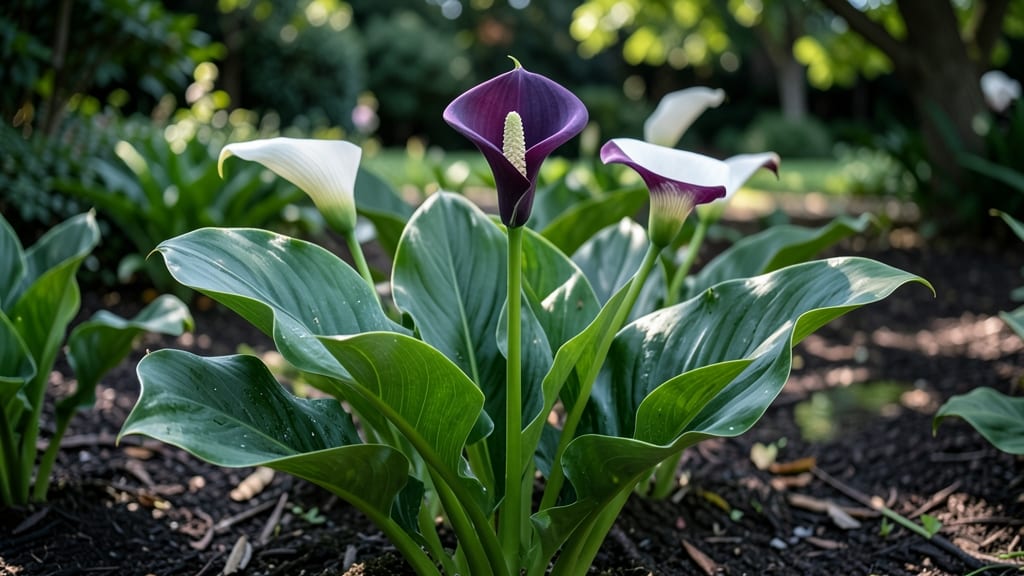
Calla lilies don't bloom all summer continuously—most varieties produce just one main bloom cycle during spring or summer, though heat-tolerant types like Zantedeschia aethiopica may occasionally rebloom with ideal growing conditions. Their flowering depends on light exposure, temperature fluctuations, and proper dormancy periods.
Most calla lilies are seasonal bloomers, meaning they focus their energy on one spectacular show rather than continuous flowering. 🌸 The exception is certain heat-loving varieties that may produce sporadic second blooms when given consistent warmth, bright indirect light, and balanced fertilization.
I've seen Zantedeschia aethiopica (the classic white calla) surprise gardeners with late-summer flowers if they're planted in sheltered, sunny spots with well-draining soil.
What's fascinating is how these plants use environmental cues: shorter daylight hours and cooler nights trigger dormancy, while consistent temperatures above 65°F and regular watering can encourage secondary blooms. The key is mimicking their natural rhythm—don't over-fertilize in summer or they'll prioritize foliage over flowers.
💡 In This Article
- Calla Lily Bloom Cycles: How Heat and Light Trigger Reblooming
- Extending Calla Lily Blooms: Proven Care Tips for Longer Seasons
Calla lily bloom cycles: how heat and light trigger reblooming
Calla lilies follow a biological rhythm where their blooming is tightly linked to photoperiodism—the plant's response to daylight length. Most varieties enter a dormant phase when daylight hours shorten, typically in late summer or early fall.
This dormancy isn't just about rest; it's a survival mechanism where the plant conserves energy for next year's growth. For example, Zantedeschia elliottiana (the pink calla) often blooms in spring when days lengthen, while Zantedeschia rehmannii (the black calla) may produce flowers in late summer before entering dormancy.
The temperature threshold for blooming is another critical factor. Calla lilies generally need daytime temperatures between 65-75°F to initiate flowering, but nighttime temperatures below 55°F can trigger dormancy. This is why heat-tolerant varieties like Zantedeschia aethiopica (the white calla) sometimes rebloom—they can handle warmer conditions and maintain active growth longer.
The plant's meristem (growth points) remains active when temperatures stay above 60°F, allowing for sporadic secondary blooms.
Light quality matters just as much as quantity. Calla lilies thrive in bright, indirect light, which provides the energy needed for flower production. Direct sunlight can scorch their leaves, while too little light leads to leggy growth and fewer blooms.
I've noticed that callas grown under 6-8 hours of filtered sunlight daily produce more abundant flowers than those in low-light conditions. The key is finding that sweet spot where the plant gets enough light to bloom but isn't stressed by harsh rays.
Dormancy periods are the final piece of the puzzle. Most calla lilies need a rest period of 2-3 months with cooler temperatures (50-60°F) and reduced watering to reset their biological clock.
This ensures they'll bloom vigorously the following season. Skipping dormancy can lead to weak growth and fewer flowers, as the plant hasn't had time to recharge its energy reserves.
What's interesting is how different varieties handle these conditions. For instance, Zantedeschia rehmannii often blooms in late summer before dormancy, while Zantedeschia strumosa (the wild calla) may produce multiple small blooms throughout the growing season.
This variation shows how each type has adapted to its native environment—whether it's the cooler climates of South Africa or the warmer regions of Central America.
If you're aiming for extended blooming, focus on maintaining consistent warmth and light. A greenhouse or indoor growing space with supplemental lighting can help, but remember—calla lilies are seasonal plants at heart.
Even with ideal conditions, they'll eventually prioritize survival over continuous flowering. The goal is to maximize their natural blooming potential while working with their biological rhythms.