Blooming
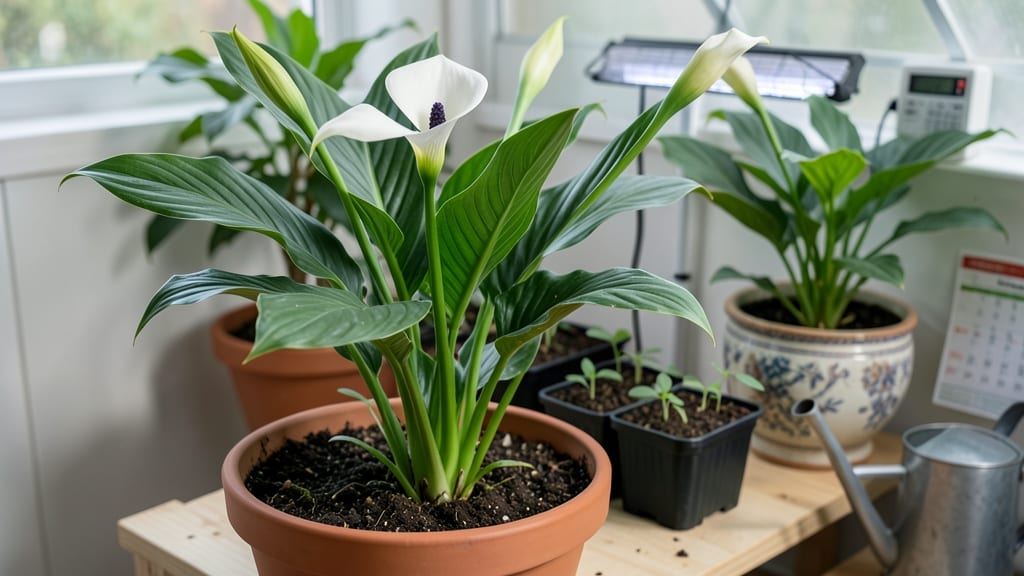
Calla lilies do not bloom all year—they follow seasonal cycles, typically flowering in spring and summer with dormancy in winter, though tropical varieties may bloom intermittently in warm climates. Proper care and climate control can extend blooming periods in containers indoors.
Calla lilies thrive on seasonal rhythms, with most varieties entering dormancy during cooler months to conserve energy. 🌸 The timing of blooms depends heavily on your climate zone—temperate types need winter rest, while tropical varieties may stretch blooming into fall or even winter with consistent warmth.
I've found that container-grown callas adapt better to indoor environments, where controlled lighting and temperature can coax extra blooms outside their natural season.
For gardeners in colder regions, this means planning ahead: start new plants indoors in late winter to get a head start on spring blooms. The key is mimicking their natural environment—bright light, moderate humidity, and a 60-70°F temperature range during active growth phases.
Even tropical varieties will reward you with more consistent blooms if you provide these consistent conditions.
💡 In This Article
- Calla Lily Blooming Seasons by Climate Zone
- Extending Calla Lily Blooms Indoors and Outdoors
Calla lily blooming seasons by climate zone
Calla lilies are deeply influenced by photoperiodism—their internal response to daylight length—which triggers blooming cycles. In USDA Zones 3-7, temperate varieties like Zantedeschia aethiopica (Easter lily calla) typically bloom from late spring through summer, with dormancy kicking in as daylight shortens below 12 hours in fall.
This is why you’ll see them peak in May-June in northern climates, while southern regions might extend blooms into early autumn due to milder winters.
The science is fascinating: calla lilies produce a hormone called florigen in response to specific light conditions. When days grow shorter (below 10-12 hours of sunlight), florigen production halts, signaling the plant to conserve energy for winter.
Tropical varieties like Zantedeschia elliottiana (remnant hybrid) have adapted to longer growing seasons in Zones 8-11, often blooming intermittently from spring through winter if temperatures stay above 50°F. This is why you might spot them flowering in December in Florida but not in New England.
Seasonal cues are your best friend for predicting blooms. Watch for leaf yellowing or stunted growth—these are early signs of dormancy in temperate types. In containers, you’ll notice roots pulling away from pot edges as the plant prepares to rest.
Tropical callas, however, may just slow growth rather than fully dormancy, making them more adaptable to year-round care in warm microclimates. The key difference is that temperate callas need 6-8 weeks of cool (<50°F) temperatures to reset their blooming cycle, while tropical types can bloom continuously if given stable warmth.
Climate zone also affects bloom intensity. In Zone 5, where winters drop below freezing, calla lilies often produce fewer but larger blooms in spring after their winter rest. Conversely, Zone 9 callas may have smaller, more frequent blooms throughout the year due to minimal seasonal stress.
This is why gardeners in hot climates sometimes prune spent blooms aggressively—to encourage new growth rather than waiting for a seasonal flush.
Daylight exposure matters just as much as temperature. Calla lilies need bright, indirect light (6+ hours daily) to bloom well. In low-light indoor settings, they’ll stretch toward light sources (etiolation) and produce fewer blooms.
This is why container-grown callas in offices often bloom less prolifically than their outdoor counterparts—even with perfect temperature control.
The light spectrum matters too: blue light (400-500nm) encourages vegetative growth, while red light (600-700nm) promotes flowering, which is why grow lights with a 12-hour photoperiod can trick callas into blooming outside their natural season.
Here’s the practical takeaway: if you’re in Zones 3-7, plan for spring-summer blooms and accept winter dormancy. In Zones 8-11, tropical varieties can bloom year-round with proper care.
For everyone else, container growing offers the most flexibility—just mimic their natural light and temperature cues to extend blooming periods. 🌿