
Blooming
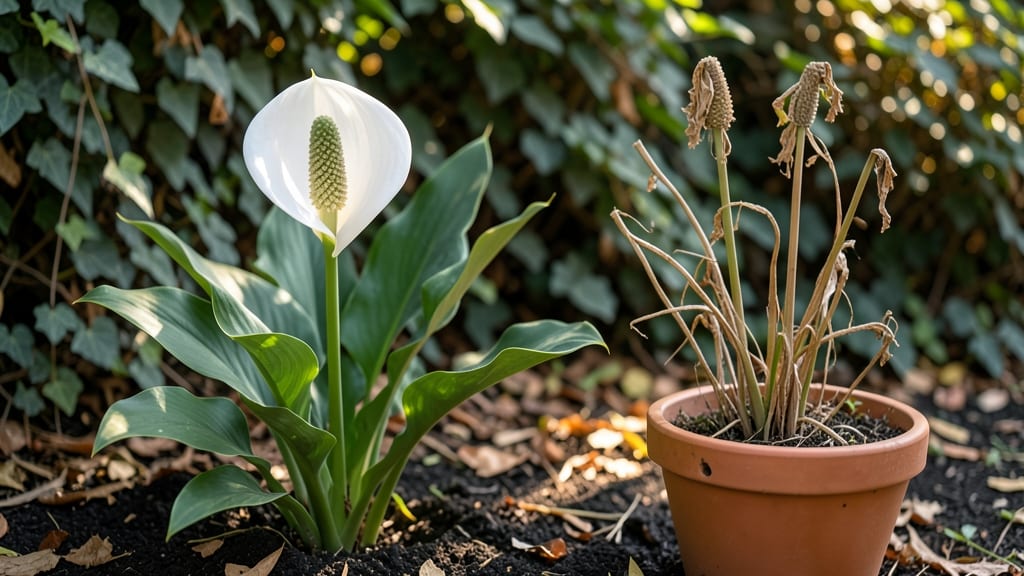
Calla lilies bloom every year in their native tropical climates, but in temperate zones, their annual flowering depends on proper care, dormancy management, and seasonal adjustments to mimic their natural growing conditions.
These elegant perennials thrive as annuals in cooler regions because their underground tubers need a winter dormancy period to reset their growth cycle. 🌱 Without this rest phase, many gardeners report sporadic blooming or no flowers at all.
I’ve found that providing bright, indirect light and well-draining soil—combined with a balanced fertilizer in early spring—can dramatically improve their reliability as repeat bloomers.
What’s fascinating is how their blooming habits shift with climate: in zones 8-11, they often flower continuously, while in colder areas, they may need artificial winter protection like mulch or container overwintering. The key is understanding your local frost dates and adjusting care accordingly.
💡 In This Article
- Why Calla Lily Blooming Cycles Vary by Climate
- Tips to Ensure Annual Calla Lily Flowering
Why calla lily blooming cycles vary by climate
Calla lilies are native to South Africa’s subtropical regions, where they experience consistent warmth and humidity. In these ideal conditions, they naturally bloom repeatedly throughout the year. However, their growth patterns shift dramatically when transplanted to cooler climates.
The primary factor is temperature sensitivity—calla lilies enter a dormancy phase when exposed to temperatures below 40°F (4°C) for extended periods, which triggers their underground tubers to conserve energy.
In zones 8-11, where winters rarely drop below 50°F (10°C), calla lilies often behave as perennials, producing blooms seasonally without needing dormancy. But in zones 4-7, frost forces them into a 6-8 week dormancy period each winter.
This dormancy is critical: without it, the plant’s energy reserves deplete, and blooming becomes sporadic or stops entirely. 🌡️ The tuber’s ability to store starches during dormancy directly correlates with next year’s flower production.
Light requirements also play a pivotal role. Calla lilies thrive in bright, indirect light—think dappled sunlight or east-facing windows. In low-light conditions, they may produce fewer blooms or revert to foliage growth.
The plant’s natural photoperiod (light exposure duration) influences flowering: in shorter daylight hours (like winter), they prioritize tuber growth over blooms. This is why gardeners in northern climates often supplement with grow lights during winter months.
Humidity levels further complicate blooming cycles. Native to moist environments, calla lilies wilt or produce smaller blooms in dry air. In arid climates, maintaining 50-60% humidity—through misting or pebble trays—can restore their vigor.
The combination of temperature, light, and humidity creates a delicate balance: disrupt one factor, and the blooming cycle shifts unpredictably.
Consider this real-world example: A calla lily grown in zone 9—where winters hover around 55°F (13°C)—may bloom continuously with minimal care. But the same plant in zone 5—where winter dips to 10°F (-12°C)—will need mulch protection—or container overwintering indoors to survive.
The tuber’s ability to endure cold stress determines whether it “remembers” to bloom the following season.
What most gardeners overlook is the tuber’s age. Younger tubers (1 year old) often prioritize growth over blooms, while mature tubers (3+ years) produce larger, more abundant flowers.
This biological quirk explains why newly planted calla lilies may take 2-3 years to establish reliable blooming cycles, even with perfect care. 💫