
Flowers
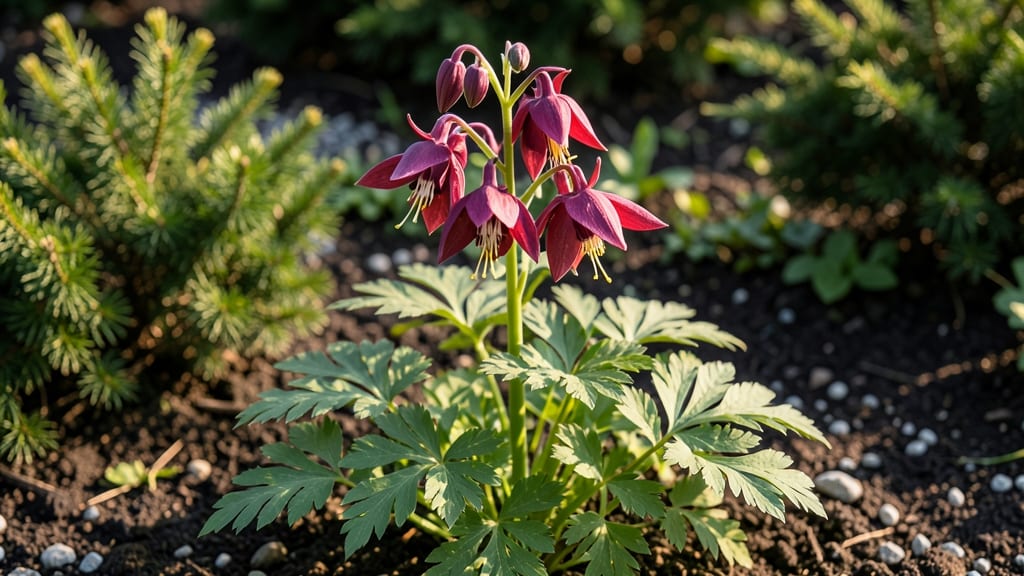
Columbine flowers do bloom all summer in many varieties, typically reappearing every 4-6 weeks from late spring through early fall, with some late-blooming types extending into September or October depending on climate and care.
Columbines are one of the few perennials that deliver consistent color through the warm months, thanks to their unique growth habit. 🌸 Unlike many flowers that peak once and fade, columbines produce multiple flushes of blooms—each new wave triggered by their natural response to temperature shifts and daylight changes.
The key lies in their ability to grow from basal rosettes, which means they can regenerate flowers even after the first round finishes.
In my experience, varieties like Queen of Night and Crimson Star often push their blooming season into early fall, especially in cooler climates where summer heat isn't extreme.
What sets columbines apart is their adaptability to different growing conditions. They thrive in partial shade, which many gardeners appreciate because it means they won't wilt under intense afternoon sun. This makes them ideal for underplanting shrubs or adding vertical interest to shady borders.
The trade-off? They may bloom slightly later in warmer zones where summer arrives early, so starting with cold-hardy varieties can help ensure that long, continuous display.
💡 In This Article
- Columbine Bloom Cycles by Variety and Climate Zones
- Tips to Encourage Continuous Columbine Blooms
Columbine bloom cycles by variety and climate zones
Columbines (Aquilegia spp.) exhibit a fascinating biological trait called sequential blooming, where flowers emerge in staggered waves rather than all at once. This process is triggered by the plant's response to daylength changes and temperature fluctuations.
Most varieties begin flowering in late spring when days lengthen, then produce new blooms every 4-6 weeks throughout summer—each flush lasting 2-3 weeks.
For example, the classic European columbine (Aquilegia vulgaris) typically blooms from May to July in USDA Zone 4, while Canadian columbine (Aquilegia canadensis) often extends into August in Zone 5.
The specific timing depends heavily on climate. In cooler northern zones (3-6), columbines often bloom later in the season because they require 60-70°F daytime temperatures to trigger flowering. Heat-sensitive varieties like Blue Star may skip summer blooms entirely in Zone 7+ if temperatures exceed 85°F for prolonged periods.
Meanwhile, heat-tolerant hybrids such as McKana's Giant can produce three distinct bloom cycles from June through September when grown in partial shade—a condition they prefer to avoid moisture stress.
Soil moisture and nutrition also play critical roles. Columbines store energy in their rhizomatous root systems, which allow them to regenerate foliage and flowers after each bloom cycle. In well-draining, slightly alkaline soil (pH 6.5-7.5), they'll produce more vigorous regrowth.
The Pacific columbine (Aquilegia formosa), native to western North America, often blooms from May to October in its native habitat because it's adapted to mild, moist summers.
In contrast, Rocky Mountain columbine (Aquilegia flavescens) may only bloom twice in Zone 5 due to drier conditions.
Light exposure creates another layer of variation. While most columbines thrive in partial shade (3-6 hours of direct sun), full-sun conditions can accelerate blooming but reduce flower longevity.
The Crimson Star variety, for instance, will produce earlier and more frequent blooms in morning sun with afternoon shade—a setup that prevents the delicate petals from scorching while maintaining optimal flowering triggers.
This is why gardeners in Zone 8-9 often plant columbines under deciduous trees to naturally filter intense midday rays during peak summer months.
What's particularly interesting is how columbines adjust their internal clocks based on photoperiod. As days shorten in late summer, many varieties—especially those with long-spurred flowers like Black Barlow—will shift from vegetative growth to flower production again.
This second flush often appears in August-September and can continue until first frost in cooler climates. The trade-off? In Zone 10+, where summers are long and hot, some varieties may enter dormancy during peak heat unless provided with afternoon shade and consistent moisture.
For gardeners seeking year-round color, combining early, mid, and late-season varieties creates a continuous display. For example, pairing Queen of Night (blooms June-July) with Jewel Box (blooms July-August) and Songbird Series (blooms August-September) can extend flowering through 10-12 weeks in optimal conditions.
The key is selecting varieties that match your specific USDA zone and microclimate—a Zone 5 garden might see 8 weeks of blooms, while a Zone 7 garden could achieve 12 weeks with proper care.