
Blooming
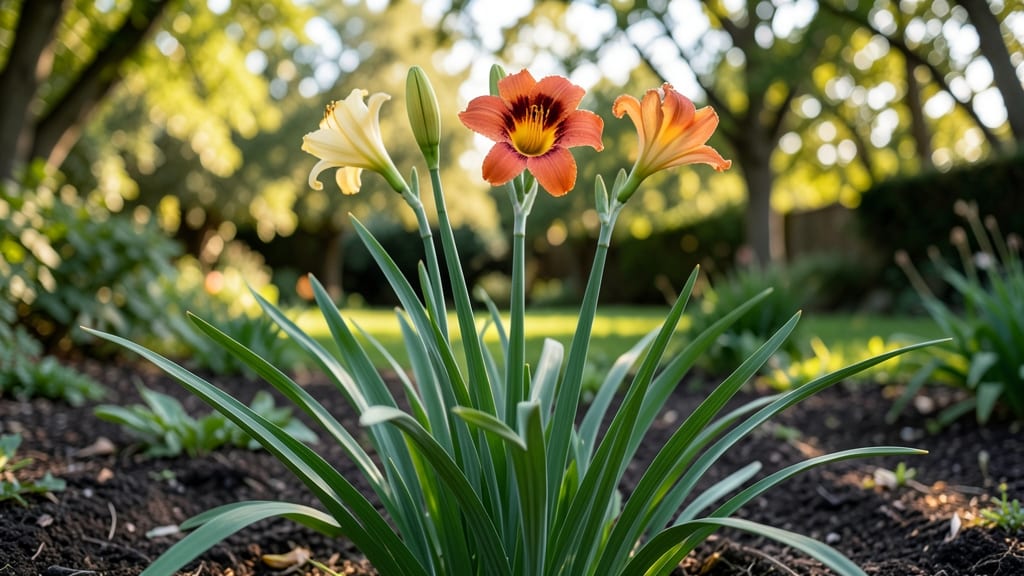
Yes, daylilies do bloom all summer in reblooming varieties, producing fresh flowers in cycles throughout the season, while single-bloom types flower once in spring or early summer. Rebloomers thrive with proper care and the right climate conditions.
Reblooming daylilies are the stars of summer gardens because their genetics allow them to produce multiple flower cycles after their initial spring bloom. 🌸 Unlike single-bloom varieties that put all their energy into one showstopping display, rebloomers reset their growth after each flush, creating waves of color from early summer through fall.
The key to their performance lies in consistent moisture, balanced fertilization, and strategic deadheading—removing spent blooms encourages new buds to form. I’ve seen 'Happy Returns' and 'Stella de Oro' varieties keep blooming well into September with minimal effort, making them perfect for low-maintenance gardeners.
For gardeners in cooler climates, reblooming daylilies may need a little extra care to push through late-season blooms. These plants are surprisingly adaptable, though—they’ll often reward you with a second wave of flowers if you provide afternoon shade during heatwaves and keep the soil consistently moist.
The trade-off? Rebloomers typically bloom slightly later than single-bloom types, but their extended display more than makes up for it.
💡 In This Article
- How Daylily Reblooming Varieties Extend Summer Blooms
- Best Daylily Varieties for Continuous Summer Color
How daylily reblooming varieties extend summer blooms
The secret behind reblooming daylilies lies in their unique growth habit called monocarpic succession. Unlike single-bloom types that exhaust their energy in one flowering cycle, rebloomers produce multiple flower stalks from the same crown throughout the season.
This happens because their genetics allow them to store and regenerate energy reserves in their thick, fleshy roots (rhizomes) after each bloom cycle. 🌿 When you remove spent blooms (deadheading), you signal the plant to redirect energy toward new flower buds rather than seed production.
Temperature plays a crucial role in triggering these cycles. Rebloomers need a period of cooler temperatures (50-60°F) after their initial spring bloom to reset their growth hormones. This "rest period" allows the plant to rebuild starch reserves in its rhizomes—similar to how bulbs store energy for next year's growth.
In warmer climates (Zones 8-10), this reset happens naturally, while gardeners in cooler regions (Zones 3-7) may need to provide afternoon shade during heatwaves to prevent premature dormancy. The result? A staggered bloom pattern that can continue until frost.
Here's where the science gets fascinating: Reblooming daylilies have a different photoperiod response than single-bloom types. While single-bloomers are triggered by increasing daylight in spring, rebloomers respond to temperature fluctuations and moisture levels.
This dual sensitivity means they can produce new flower stalks even when day lengths are shortening in late summer. For example, 'Stella de Oro' often produces its second major bloom cycle in July-August, while 'Happy Returns' may continue with smaller flushes through September. 🌸
The trade-off is that rebloomers typically bloom 2-3 weeks later than single-bloom varieties because they prioritize root development. This delayed start means gardeners in short-season climates might miss some early spring color, but the extended summer display more than compensates.
The key difference in care? Rebloomers need consistent moisture (1-2 inches per week) and balanced fertilization (10-10-10) every 4-6 weeks to maintain their energy reserves throughout the season.
What most gardeners don't realize is that reblooming potential varies even within varieties. For instance, some 'Happy Returns' clones may produce only two strong bloom cycles, while others continue with smaller flowers.
This variability is why experienced growers recommend selecting named cultivars from reputable nurseries—these have been bred specifically for consistent reblooming performance. The best performers often have darker green foliage (indicating strong photosynthesis) and thicker rhizomes (visible when dividing plants).
One surprising fact is that reblooming daylilies actually bloom from the bottom up. Each flower stalk (scape) produces buds from the lowest node upward, meaning the oldest buds open first.
This sequential blooming ensures you always have fresh flowers to enjoy, while also providing a natural deadheading process as lower blooms fade. The only exception is when temperatures exceed 90°F for prolonged periods, which can cause buds to abort—this is why afternoon shade is crucial in hot climates. 🌞