
Blooming
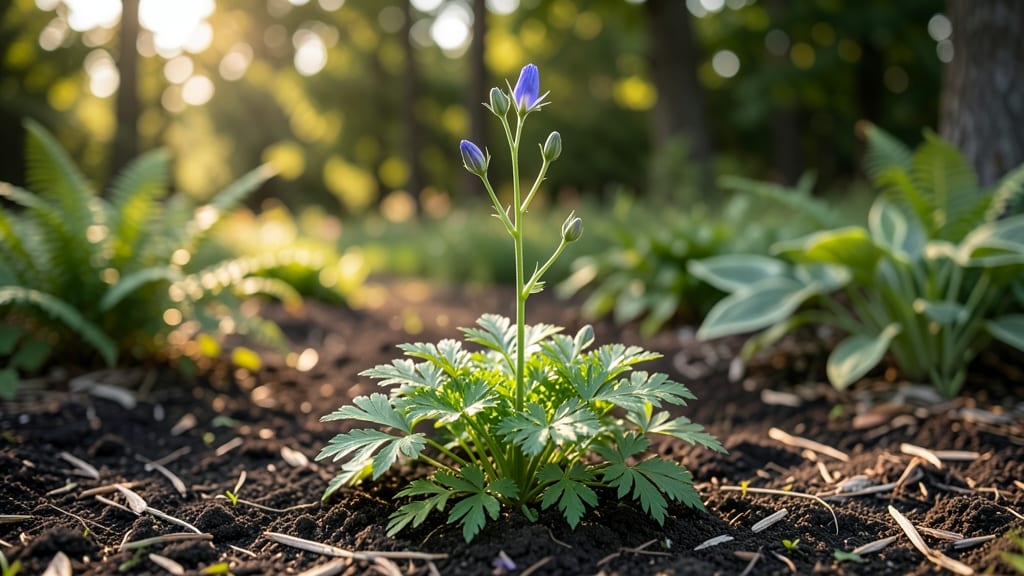
Delphiniums typically don't bloom the first year after planting, as they prioritize root development before flowering. Most standard varieties take 1-2 years to produce their iconic tall spikes, though dwarf or biennial types may flower sooner with ideal growing conditions.
This delayed flowering is actually a smart survival strategy. 🌱 Delphiniums are energy-conservative plants that invest their first growing season in building a deep, robust root system—this ensures they'll have the strength to support those towering flower stems later.
Think of it like a marathon runner's training phase: you wouldn't expect world-class performance in the first week of practice, would you? The good news is that once established, many delphiniums will reward you with dramatic blooms for years afterward, especially if you provide consistent moisture and well-draining soil.
For gardeners eager to see flowers sooner, focusing on dwarf varieties like 'Blue Bird' or biennial types can be a game-changer.
These often produce their first blooms in the second year but may surprise you with occasional spikes in year one—particularly if you plant them in late summer rather than spring.
The key is patience combined with strategic care: regular deadheading spent blooms and using a balanced fertilizer in early spring can help coax earlier flowering when the plant is ready.
💡 In This Article
- Why Delphiniums Skip Blooming in Their First Season
- Fastest-Blooming Delphinium Varieties for First-Year Flowers
Why delphiniums skip blooming in their first season
Delphiniums follow a biennial growth pattern by default, meaning they prioritize root and foliage development in their first year to store energy for future flowering. This deep root system—often extending 12-18 inches—anchors the plant and supports the 3-6 foot flower spikes they'll produce later.
The energy allocation is extreme: up to 80% of resources go toward roots and leaves, while only 20% or less is available for flower buds. You can observe this by noticing how first-year plants produce lush, dark green foliage but no flower stems.
The process involves photosynthesis efficiency and hormonal regulation. Delphiniums produce auxin hormones that suppress flowering until the plant reaches a critical size threshold. This chemical signaling is triggered by factors like day length (photoperiod), soil temperature (55-65°F being ideal), and nutrient availability.
Cold stratification of seeds (a common practice) actually accelerates this hormonal readiness, which is why many gardeners plant delphinium seeds in fall rather than spring.
Environmental conditions play a crucial role in this delayed blooming. Delphiniums need full sun (6+ hours daily) and well-draining soil with a pH between 6.0-7.5 to thrive. Poor soil conditions force plants to divert even more energy toward survival rather than reproduction.
For example, clay soils that stay soggy can stunt root growth by 30-40%, delaying flowering by another year. The plant's survival instincts are hardwired—it won't risk flowering until it's confident it can support those heavy flower spikes.
There's a fascinating exception with biennial varieties like 'Pacific Giant' that may produce small flower spikes in their first year if planted in late summer. These plants experience what botanists call "vernalization"—a cold period that tricks them into thinking winter has passed.
When planted in August-September, they may produce 1-2 foot stems with 10-20 flowers before winter, then return with full-size blooms the following year. This is nature's way of maximizing reproductive opportunities when conditions are favorable.
The maturity threshold varies by variety. Standard delphiniums typically need 2-3 years to reach full flowering potential, while dwarf varieties like 'Blue Bird' may bloom in 18-24 months.
The key difference lies in their genetic growth habit: dwarf types have shorter stems and smaller root systems, requiring less energy to support flowering. This is why gardeners often see 1-2 foot spikes from dwarf varieties in their second year compared to 4-6 foot giants from standard types.
What most gardeners don't realize is that over-fertilizing with nitrogen can actually delay flowering by promoting excessive leaf growth. A balanced 10-10-10 fertilizer applied in early spring provides the right nutrients without skewing the plant's energy allocation.
The sweet spot is 1-2 applications of phosphorus-rich fertilizer (like 5-10-10) in late winter to encourage root and flower development simultaneously. 🌱