
Blooming
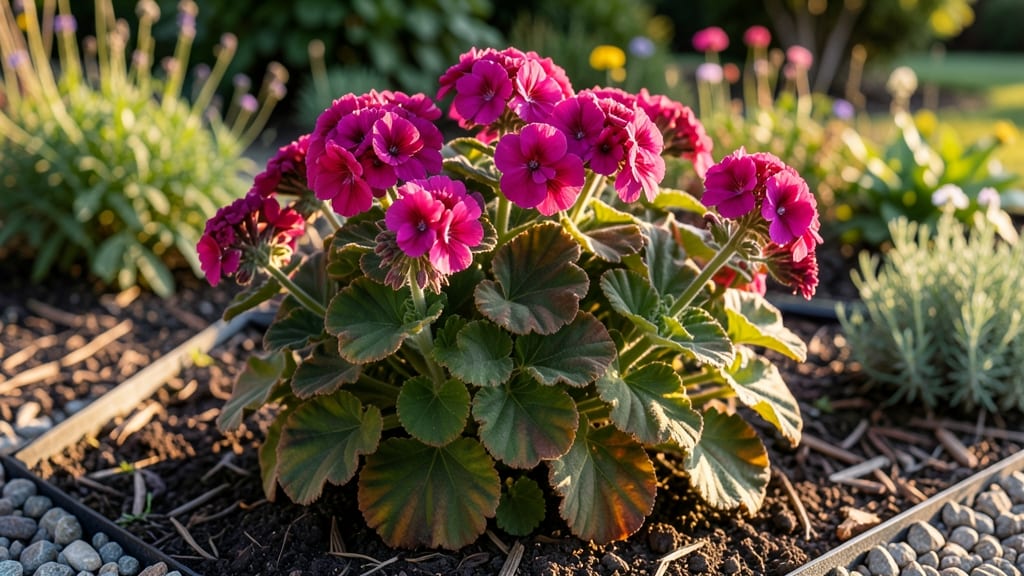
Geraniums don't bloom all summer continuously—most varieties flower heavily in spring and early summer, then experience a mid-summer slowdown unless you deadhead spent blooms regularly or provide ideal heat-tolerant growing conditions. Zonal geraniums (Pelargonium x hortorum) often produce a second flush with proper care, while trailing ivy geraniums (Pelargonium peltatum) may struggle more in extreme heat without consistent pruning.
Most gardeners expect vibrant summer blooms from geraniums, but these plants actually have a natural seasonal rhythm tied to temperature shifts. 🌡️ When daytime highs exceed 85°F, many varieties shift energy from flowering to survival, leading to that mid-summer lull.
The key difference lies in their care needs—zonal types often respond well to regular deadheading and afternoon shade, while ivy varieties need more frequent watering to prevent leaf scorch.
I've seen Martha Washington geraniums continue blooming through August with weekly pruning, proving that proper maintenance can extend their flowering window significantly.
What surprises many people is how quickly geraniums rebound when conditions improve. After a heatwave, these plants often produce fresh buds within 2-3 weeks if you maintain consistent moisture and remove faded flowers.
The secret lies in their resilience—geraniums prioritize root and leaf growth during heat stress, then redirect energy back to blooming once temperatures moderate. This makes them perfect for container gardening where you can move them to shadier spots during peak afternoon sun.
For those wanting nonstop summer color, consider heat-tolerant hybrids like the Angel series or drought-resistant varieties that thrive in USDA zones 8-11. These types typically bloom 10-15% longer than standard geraniums when given well-draining soil and morning sunlight.
The trade-off? They often require more frequent fertilizing during their active growth phases to maintain that continuous flowering effect.
💡 In This Article
- Why Geraniums Stop Blooming in Summer Heat
- Best Geranium Varieties for Long-Lasting Summer Flowers
Why geraniums stop blooming in summer heat
Geraniums enter their mid-summer slump primarily due to heat stress and hormonal shifts triggered by prolonged exposure to temperatures above 85°F.
When daytime highs climb, these plants redirect energy from flowering to survival—producing more leaves and roots to maintain moisture while their blooming hormones (like florigen) become less active. 🌡️ This physiological response is similar to how many annuals conserve energy during drought, but geraniums' sensitivity is more pronounced due to their Mediterranean origins where summer heat naturally signals dormancy.
The process begins with stomatal closure—tiny leaf pores that regulate water loss—when soil moisture drops below 30% capacity. This reduces photosynthesis efficiency by up to 40%, causing energy deficits that force the plant to prioritize root expansion over flower production.
You'll often notice this decline starting with drooping leaves and fewer new buds appearing after 7-10 days of consistent heat above 90°F. The flowers you see in early summer were actually formed during cooler spring conditions when the plant's energy was focused on reproduction rather than survival.
Humidity plays a hidden but crucial role too—geraniums thrive in 40-60% relative humidity but struggle when levels drop below 30%, common in dry summer climates. Low humidity increases transpiration rates, making the plant lose water 3x faster than in moderate conditions.
This moisture loss triggers ethylene production, a plant hormone that accelerates leaf senescence (aging) and reduces flowering capacity. The result? Your once-vibrant geraniums may produce 50-70% fewer blooms during peak summer months without intervention.
Identifying early signs of decline is key to revival. Look for yellowing leaf edges (a sign of nutrient deficiencies from poor water uptake) and buds that form but fail to open completely. These are clear indicators the plant is conserving energy.
What most gardeners miss is that geraniums often rebloom within 2-3 weeks when nighttime temperatures drop below 75°F—this is when their natural flowering cycle resets. The challenge is maintaining consistent care during this vulnerable period when both heat and drought stress combine.
For zonal geraniums, the solution lies in strategic pruning—cutting back 1/3 of the plant height in early summer encourages bushier growth that produces more flowers later. Ivy geraniums, however, are more sensitive to heat and may require daily watering during heatwaves to prevent leaf scorch.
The difference in response highlights why variety selection matters—some geraniums prioritize survival, while others can be coaxed into extended blooming with proper care.
What's fascinating is how geraniums time their blooming cycles to coincide with their natural habitat's seasonal patterns. In their native South African regions, summer heat signals the end of the rainy season, triggering a shift from flowering to seed production.
This ancient survival strategy explains why even our cultivated varieties follow a similar pattern unless we intervene with consistent moisture and deadheading. The good news? With the right care, you can extend their blooming season by 4-6 weeks** beyond their natural decline.