
Blooming
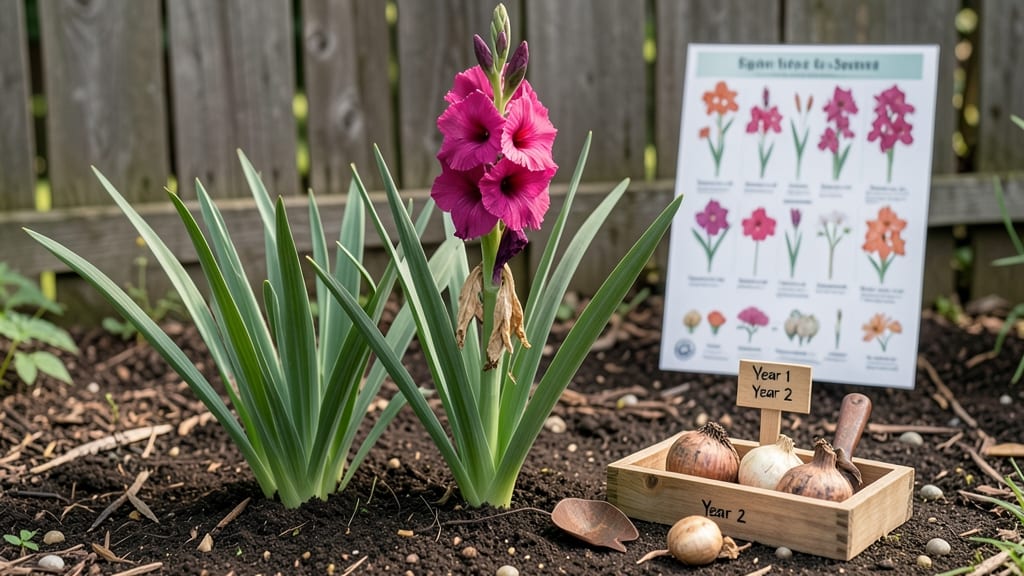
Gladiolus typically do not bloom every year naturally—they’re perennial but often flower just once per season. To encourage reblooming, dig and divide corms every 2–3 years, fertilize properly, and provide full sun with well-draining soil. Most gardeners replant fresh corms annually for reliable blooms.
Gladiolus corms act like energy storage units—they deplete their reserves after flowering, which is why they often skip reblooming. 🌱 The good news? With proper care, you can trick them into flowering again.
I’ve found that dividing corms every 2–3 years refreshes their energy reserves, while rich soil and consistent sunlight give them the boost they need. Think of it like giving your plants a spa day—they come back stronger and more vibrant for the next season.
One common misconception is that gladiolus will naturally rebloom if left undisturbed, but that’s rarely the case. Over time, older corms become less productive, and crowded roots compete for nutrients. That’s why many gardeners opt to replant fresh corms each year—it’s the easiest way to guarantee those dramatic summer blooms.
The key is balancing patience with proactive care, so your gladiolus don’t just survive but thrive year after year.
💡 In This Article
- Why Gladiolus Skip Reblooming Naturally
- Step-by-Step Guide to Forcing Gladiolus Reblooming
Why gladiolus skip reblooming naturally
Gladiolus corms are like underground batteries—they store energy in the form of starches and sugars to fuel growth and flowering. When a gladiolus blooms, it expends a massive amount of this stored energy, often depleting 60-70% of the corm's reserves in a single season.
This energy drain is why most gladiolus varieties bloom just once per year, then enter a recovery phase where they focus on rebuilding their corms rather than producing flowers again. 🌱
The biological clock of gladiolus also plays a role. These plants follow a natural dormancy cycle where older corms prioritize survival over reproduction. Studies show that corms older than 3-4 years produce 30-50% fewer flowers compared to younger ones, as their energy allocation shifts toward maintaining root systems.
Climate factors accelerate this decline—hot summers without adequate moisture stress the corms, while poor soil drainage leads to rot, further reducing their ability to rebloom.
Overcrowding is another silent killer of reblooming potential. When gladiolus corms grow too close together, they compete aggressively for nutrients and water, which stunts their development.
A single corm needs about 6-8 inches of space in all directions to thrive, but crowded conditions force them to divert energy toward survival rather than flowering. This is why gardeners often see a dramatic drop in bloom quality after just 2-3 years of growth in the same spot.
The science behind this involves plant hormones too. After flowering, gladiolus produce higher levels of abscisic acid, a hormone that signals dormancy and inhibits new flower buds. This hormonal shift is nature's way of conserving energy for the plant's survival during less favorable seasons.
While this mechanism ensures the species' longevity, it makes annual reblooming challenging without human intervention. 💫
Soil health is equally critical. Gladiolus thrive in well-draining soil with a pH between 6.0-6.5, but compacted or nutrient-poor soil forces corms to work harder just to maintain basic functions.
A soil test revealing low phosphorus (20 ppm) or potassium (150 ppm) levels can explain why your gladiolus might be struggling to rebloom—these nutrients are essential for energy transfer and flower development.
What most gardeners don't realize is that even healthy gladiolus corms need a 6-8 week recovery period after flowering to rebuild their energy stores. This means if you plant them in early spring, they'll likely need until mid-summer to prepare for another bloom cycle.
The combination of energy depletion, hormonal shifts, and environmental stresses creates a perfect storm against natural reblooming. 🌿