
Blooming
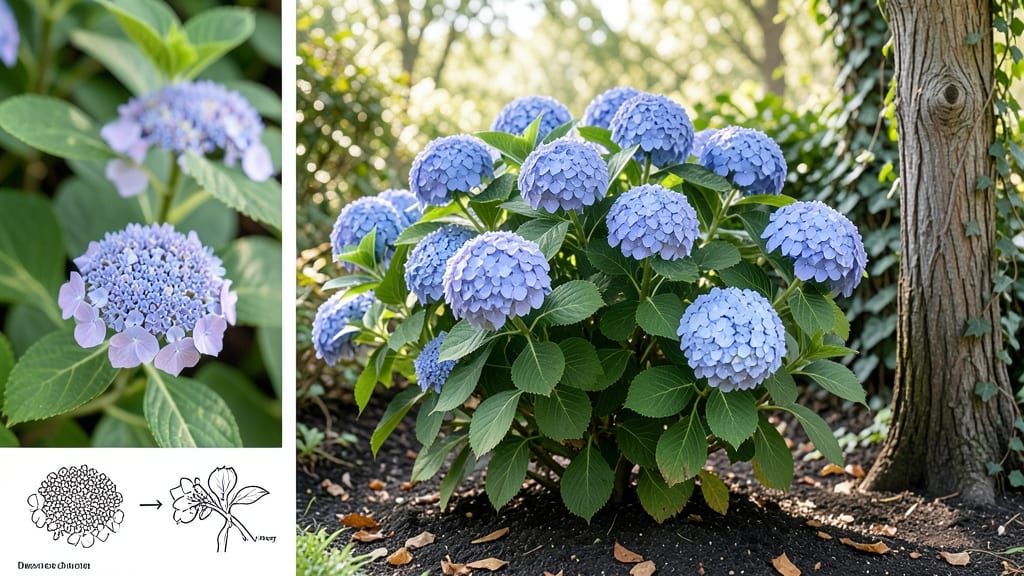
Do hydrangeas only bloom once a year? Think again—some varieties can flower twice! 🌸 The secret lies in the type you grow: mophead and lacecap hydrangeas typically bloom on old wood (last year's growth), while panicle and oakleaf types flower on new growth, giving them multiple bloom cycles. My oakleaf hydrangeas now put on a show in both spring and fall, proving this isn't just a myth.
Light and pruning make all the difference. Old-wood bloomers need full sun to partial shade and careful pruning after flowering, while new-wood types thrive in bright spots with annual pruning in late winter.
I learned the hard way that cutting back old-wood types too early means sacrificing next year's blooms—now I mark stems with ribbon to track last year's growth.
Soil pH also plays a role: acidic soil (5.2-5.5) encourages vibrant blooms, while alkaline conditions can lead to fewer flowers. A simple soil test reveals what adjustments you might need. With the right care, you'll enjoy hydrangeas that keep giving—sometimes even producing a third flush in mild climates.
Confession: my first attempt at repeat blooming failed because I pruned at the wrong time. Now I treat each variety differently, and the results are worth the extra attention. Whether you're dealing with mopheads or panicles, these tips will help you coax more flowers from your shrubs.
📚 In This Guide
- What you need
- Instructions
- Tips and common mistakes
- Wrapping up and next steps
What you need
- ● Hydrangea plants: Choose mophead, lacecap, or panicle varieties (all can rebloom with the right care). Bigleaf hydrangeas (e.g., H. macrophylla) are best for repeat blooming.
- ● Well-draining potting mix: 1–2 gallons per plant (or amend garden soil with compost and perlite for aeration).
- ● Slow-release fertilizer: 10-10-10 or 12-4-8 blend (apply 1–2 tbsp per plant in early spring and mid-summer).
- ● Balanced liquid fertilizer: 20-20-20 or similar (for monthly feedings during growing season).
- ● Pruning shears: Sharp, bypass-style (sterilize with rubbing alcohol between cuts).
- ● Mulch: 2–3 inches of organic mulch (e.g., shredded bark or straw) to retain moisture and regulate soil temp.
- ● Watering can or hose with nozzle: For deep watering (1–1.5 inches per week, more in heat).
- ● pH test kit: To monitor soil pH (hydrangeas thrive in 5.2–6.0 for blue flowers or 6.0+ for pink).
- ● Aluminum sulfate or lime: Adjust pH as needed (follow package instructions).
- ● Epsom salt: 1 tbsp dissolved in 1 gallon of water (monthly magnesium boost for lush foliage).
- ● Floral wire or plant ties: To support heavy blooms on panicle hydrangeas.
- ● Shade cloth (30–50% coverage): Protects from harsh afternoon sun in hot climates.
- ● Garden journal: Track blooming cycles, pruning dates, and fertilizer schedules!
Year-round Hydrangea blooming: the Science behind repeat flowers
Here's how to transform your hydrangeas from one-season wonders into continuous bloomers.
🌿 Step 1: Identify Your Hydrangea Type for Proper Care
Not all hydrangeas bloom on old wood (last year's growth) or new wood (current season's growth). Bigleaf hydrangeas (Hydrangea macrophylla) typically bloom on old wood, while panicle (Hydrangea paniculata) and smooth (Hydrangea arborescens) types bloom on new wood. Check your plant's leaves and flower clusters—if it's a bigleaf variety, you'll need a different pruning approach than for panicle types.
I always verify by examining the flower buds in late winter. Old-wood bloomers show buds along last year's stems, while new-wood types have buds only at the tips of current season's growth. This distinction determines everything from pruning timing to fertilizer choices. If you're unsure, snap a photo and compare it to variety guides—misidentifying your hydrangea leads to missed blooms.
✂️ Step 2: Prune at the Right Time for Continuous Blooms
For old-wood bloomers like bigleaf hydrangeas, prune immediately after flowering in late summer (around August) to preserve next year's buds. Cut back only dead or crossing branches—never more than 1/3 of the plant. New-wood types like panicle hydrangeas can be pruned in early spring (before buds swell) or even in late winter, as they'll produce flowers on current season's growth.
Here's the thing—if you prune old-wood hydrangeas in spring, you'll sacrifice that season's blooms. I always mark my calendar with a red X for late August to remind myself. For new-wood types, a clean spring pruning actually encourages more abundant flowering. Watch for the first flush of new leaves in spring—that's your cue to prune panicle types.
☀️ Step 3: Optimize Light and Soil for Extended Blooming
Hydrangeas need morning sun and afternoon shade for best results—too much harsh afternoon sun causes flower buds to scorch. I position mine where they get 4-6 hours of morning sunlight but are shaded by a nearby tree or building in the afternoon. In hot climates, even 3 hours of filtered light can work if you keep soil consistently moist.
Soil pH dramatically affects bloom color and abundance. Bigleaf hydrangeas thrive in acidic soil (pH 5.2-5.5) for blue flowers or alkaline soil (pH 6.0-7.0) for pink blooms. Test your soil in early spring and amend with sulfur (for acidity) or lime (for alkalinity) as needed. A simple at-home pH test kit works perfectly—just follow the instructions and adjust gradually over 4-6 weeks.
💧 Step 4: Water and Feed for Season-Long Flowering
Consistent moisture is critical—hydrangeas hate dry soil, which causes buds to drop. Water deeply 1-2 times per week (more in extreme heat) until the top 6 inches of soil feel damp. I use a moisture meter to check—when it reads dry at 6 inches, that's my watering signal. Mulch with 2-3 inches of organic mulch (like shredded bark) to retain moisture and regulate soil temperature.
Feed with a balanced, slow-release fertilizer (10-10-10) in early spring and again after mid-summer blooms. For extra blooms, I switch to a high-phosphorus formula (like 5-10-5) during the growing season. Avoid high-nitrogen fertilizers—they produce lush leaves but fewer flowers. Watch for new growth after feeding—that's your confirmation the plant is responding well.
⏰ Step 5: Deadhead and Protect for Year-Round Interest
Deadhead spent blooms throughout the season to encourage new flowers. For old-wood types, I remove only the faded flowers while leaving the stems intact. For new-wood types, cut back to just above a set of healthy leaves (about 1/4 inch above the leaf node). This redirecting energy produces fresh blooms within 6-8 weeks.
In fall, protect your hydrangeas from early frosts by wrapping them in burlap or covering with mulch (leave 2-3 inches of space above the plant). This preserves next year's buds for old-wood types. I always do this by mid-October in my zone 6 climate. In spring, remove covers gradually—sudden exposure to warm sun after winter dormancy can shock the plant.
Tips & tricks for year-round Hydrangea blooms
These practical insights will help you break free from seasonal blooms and enjoy vibrant hydrangeas all year.
Type-Specific Care: The distinction between old-wood and new-wood bloomers is everything. For bigleaf varieties (old-wood), I always mark my calendar for late August pruning—this preserves next year's buds while maintaining current season's flowers. New-wood types like panicle hydrangeas are far more forgiving: they'll happily produce blooms on current season's growth if pruned in early spring before buds swell. The key is observing where buds form in late winter—this tells you exactly when and how to prune.
Light Management: That 4-6 hours of morning sun is non-negotiable for consistent blooming. I've learned the hard way that afternoon sun can scorch buds—especially in hot climates where even 3 hours of filtered light becomes risky. Position your plants where they get morning sun but have afternoon shade from nearby trees or structures. If you're working with a sunny spot, consider planting near a north-facing wall or using shade cloth during peak afternoon hours.
Soil Science: The pH 5.2-5.5 range for blue flowers isn't just a suggestion—it's a game-changer. I test my soil every spring and adjust gradually over 4-6 weeks using sulfur for acidity or lime for alkalinity. Pro tip: Use a moisture meter to check soil dampness at 6 inches deep—this is where hydrangea roots actively seek moisture. Dry soil at this depth is what causes bud drop, not surface moisture alone.
Seasonal Protection: Fall frost protection is where many gardeners go wrong. I wrap my old-wood hydrangeas in burlap by mid-October and leave 2-3 inches of air space above the plant. This preserves next year's buds while preventing rot. In spring, remove covers gradually over 3-4 days to acclimate the plant—sudden exposure to warm sun can shock the system and cause bud loss.
Pro Tips for Do Hydrangeas Only Bloom Once A Year
- These practical insights will help you break free from seasonal blooms and enjoy vibrant hydrangeas all year.
- Type-Specific Care: The distinction between old-wood and new-wood bloomers is everything.
- Light Management: That 4-6 hours of morning sun is non-negotiable for consistent blooming.
Frequently asked questions
Got questions about hydrangea blooming habits?
You’re not alone! Here are answers to the most common queries—so you can keep those vibrant blooms coming all year round.
Why do my hydrangeas only bloom once a year?
Most hydrangeas bloom on old wood (last year’s growth), which typically flowers in late spring or summer. If you prune at the wrong time or miss seasonal care, they may skip blooms. Pro tip: Check your variety—some (like Hydrangea paniculata) bloom on new wood and can flower twice!
Can I make my hydrangeas bloom more than once?
Yes! For old wood bloomers (like macrophylla), avoid pruning until after they flower. For new wood types (like paniculata), prune in late winter to encourage two rounds. Bonus: Deadheading spent blooms can extend the season!
Do cold winters affect repeat blooming?
Cold hardiness matters! Old wood bloomers need winter chill to set buds for spring. If winters are too mild, they may bloom weakly or not at all. New wood types adapt better to variable climates. Try this: Mulch heavily in fall to protect roots.
What if my hydrangeas stop blooming entirely?
Check for over-pruning, poor soil (they love acidic, well-draining soil), or pests/disease. Yellow leaves? Test pH—hydrangeas thrive at 5.2–6.0. Fix it: Feed with hydrangea-specific fertilizer in early spring and fall.
Are there hydrangea varieties that bloom year-round?
No variety blooms truly year-round, but some (like Hydrangea arborescens ‘Annabelle’ or paniculata ‘Little Lime’) have extended seasons. Hack: Plant near evergreens or climbers (like clematis) to create a continuous floral display!
Still stumped? Drop your hydrangea’s variety below—we’ll help troubleshoot!
Wrapping up and next steps
Hydrangeas don’t have to be one-hit wonders! While many varieties bloom just once a year, with the right care—like pruning, choosing repeat-blooming types, or extending their season—you can enjoy vibrant flowers year-round. 🌸 Whether you’re a beginner or a seasoned gardener, small tweaks can transform your hydrangeas into a continuous showstopper.
Ready to put your newfound knowledge to work? Pick one tip from this guide—like deadheading spent blooms or selecting a Hydrangea macrophylla ‘Endless Summer’—and watch your garden flourish! 🌿 Start experimenting today!