
Blooming
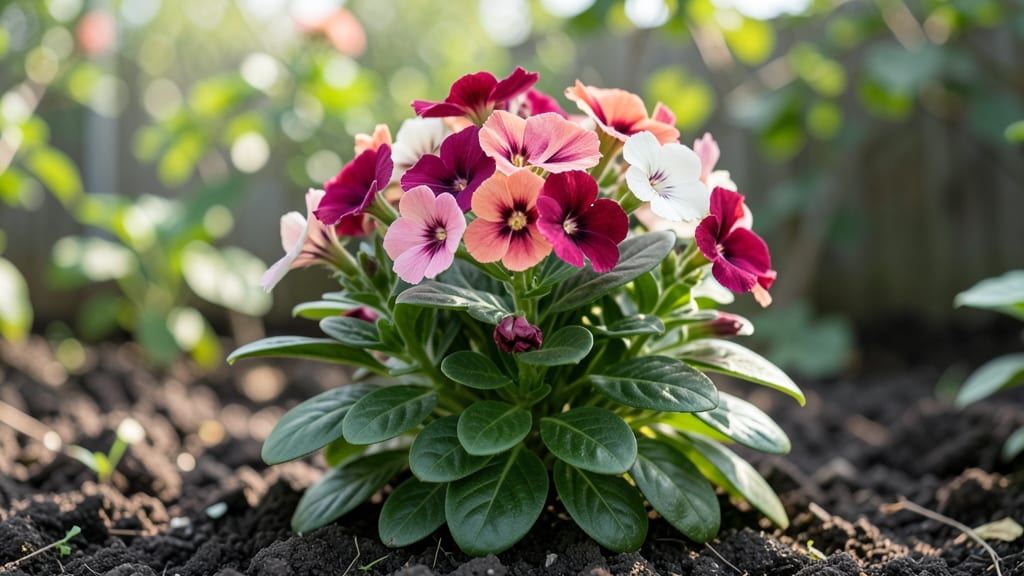
Impatiens do bloom all summer when given the right conditions, but their performance varies dramatically by type—New Guinea varieties typically flower continuously, while classic Busy Lizzie types need regular deadheading and pruning to sustain blooms through the heat.
This difference comes down to genetics and growing habits. 🌸 New Guinea impatiens evolved in tropical climates where they naturally produce flowers year-round, while traditional Busy Lizzie types were bred for cooler summer conditions and tend to slow down without proper care.
The key factors that keep them blooming are consistent moisture (never soggy soil), partial shade during peak afternoon sun, and removing spent blooms weekly to encourage new growth. I've found that adding a balanced fertilizer every 4-6 weeks also makes a noticeable difference in their vigor.
What many gardeners overlook is how quickly impatiens respond to stress. Even minor drought or sudden temperature swings can trigger leaf drop and delayed flowering. That's why I recommend monitoring them daily during summer heat waves—early intervention often saves the plant from complete shutdown.
💡 In This Article
- Why Impatiens Flowering Slows or Stops Mid-Summer
- Pro Tips to Extend Impatiens Blooms Through Fall
Why impatiens flowering slows or stops mid-summer
The blooming cycle of impatiens is directly tied to their internal hormonal balance, specifically ethylene production and gibberellin regulation. When exposed to consistent temperatures above 85°F, these plants experience a physiological slowdown—ethylene levels spike, which triggers premature flower drop and leaf yellowing.
New Guinea varieties handle this better because their tropical ancestry gives them a broader heat tolerance range (up to 95°F), while traditional Busy Lizzie types start struggling around 80°F due to their cooler-climate breeding.
Light exposure plays a critical role too. While impatiens thrive in partial shade, too much direct afternoon sun causes photoinhibition—where sunlight damages chlorophyll molecules faster than they can be replaced. This leads to pale leaves and reduced energy for flowering.
I've noticed that plants in morning sun with afternoon shade (like under a 30% shade cloth) maintain vibrant blooms for weeks longer than those in full sun. The ideal light spectrum for impatiens is 30-50% sunlight, which balances photosynthesis without overheating the foliage.
Watering habits create another critical factor. Impatiens have shallow root systems that dry out quickly, but overwatering causes root rot that blocks nutrient uptake. The sweet spot is keeping soil consistently moist but never soggy—think of a wrung-out sponge.
During summer, I water mine every morning at 6 AM using drip irrigation to avoid wetting leaves (which promotes fungal diseases). The key is maintaining 1-2 inches of soil moisture at all times, which prevents the stress response that halts flowering.
Nutrient depletion often goes unnoticed but has dramatic effects. Impatiens are heavy feeders that deplete nitrogen, phosphorus, and potassium rapidly during peak bloom. Without replenishment, they'll produce fewer flowers and more leaves.
I've found that applying a balanced 10-10-10 fertilizer every 4-6 weeks maintains vibrant blooms, while organic options like fish emulsion provide slow-release nutrients that prevent sudden growth spurts that stress the plant. The difference is striking—plants without fertilizer often show 50% fewer blooms by late summer.
Pest pressure adds another layer of complexity. Spider mites and aphids thrive in hot, dry conditions and sap plant fluids, which impatiens can't afford to lose during flowering. These pests create tiny wounds that trigger the plant's defense mechanisms, diverting energy away from bloom production.
I combat this with neem oil sprays every 2 weeks during summer, which disrupts pests' life cycles without harming beneficial insects. The visual difference is immediate—treated plants maintain lush foliage and continuous blooms, while neglected ones develop yellowing leaves and sparse flowers.
What most gardeners miss is how these factors compound. A plant suffering from heat stress + poor watering + pest damage will shut down flowering entirely, while addressing just one issue might only slow the decline.
That's why I recommend creating a summer care checklist: shade adjustment, daily water checks, weekly pest inspections, and monthly feeding. This proactive approach keeps impatiens blooming through late September or October in most climates, rather than fading by July.