
Blooming
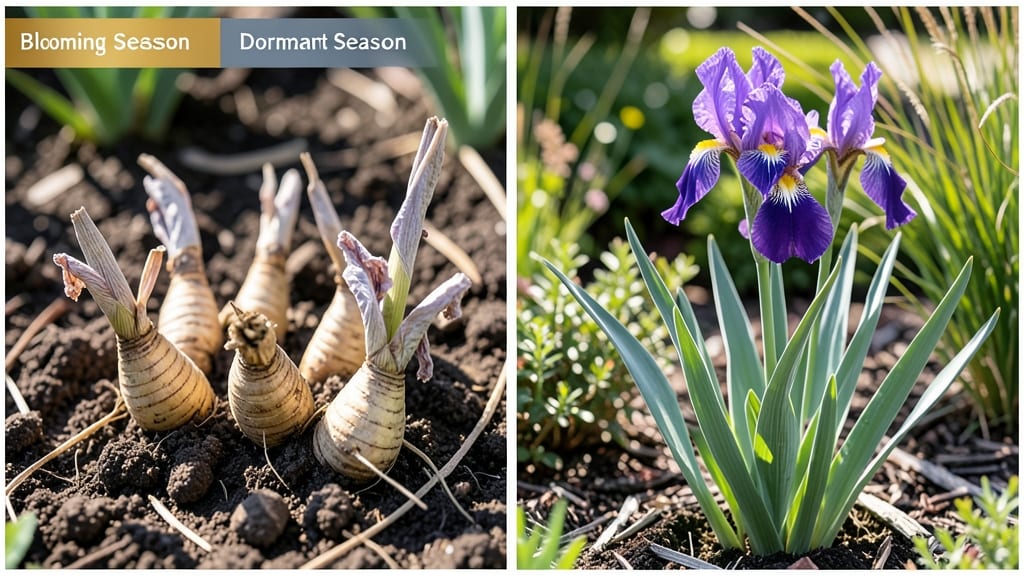
Iris plants don't bloom every year—most varieties produce flowers just once in spring before entering a dormant phase, though certain reblooming types may flower again in late summer or fall. The timing and frequency depend entirely on the specific iris variety and how well you care for them.
Most iris varieties prioritize building strong root systems and foliage during their first growing season, which is why they often skip blooming until they've established themselves. 🌸 The plants store energy in their rhizomes (thick roots) to fuel next year's growth, so forcing them to bloom annually can actually weaken them over time.
That said, some hybrid varieties—like the popular 'Reblooming Bearded Iris'—are specifically bred to produce two flushes of flowers per season when given proper care.
What truly makes the difference is how you nurture them. For example, providing a balanced fertilizer in early spring and again after the first bloom can encourage reblooming in compatible varieties.
I've found that consistent moisture (without soggy soil) and well-draining conditions are just as critical as fertilization—many gardeners overlook how much stress poor drainage puts on these plants during their dormancy period.
💡 In This Article
- Why Most Iris Bloom Only Once Per Year
- How to Encourage Reblooming in Iris Plants
Why most iris bloom only once per year
The iris's annual bloom cycle is all about survival strategy. These plants allocate most of their energy to building robust rhizomes (thick underground stems) rather than producing flowers.
During their first growing season, iris focus on developing a strong root system that can store nutrients for future growth—this is why many first-year plants skip blooming entirely.
Think of it like a marathon runner building endurance before racing: the iris stores carbohydrates in its rhizomes to fuel next year's foliage and flowers.
Climate plays a huge role in bloom timing. Most iris varieties follow a spring bloom pattern because they need the cooler winter months to reset their biological clock. The cold period triggers dormancy, which helps them conserve energy.
For example, in USDA zones 3-7, iris typically bloom between late April and June, while in warmer zones (8-10), they may bloom as early as February.
The key difference between spring-blooming and reblooming varieties lies in their genetic makeup—spring types prioritize one strong bloom cycle, while rebloomers like 'Reblooming Bearded Iris' produce a secondary flush in late summer or early fall when given proper care.
Here's what's happening under the soil: Iris rhizomes contain specialized cells that store starches and sugars. When temperatures drop below 50°F (10°C) for several weeks, these cells activate dormancy hormones. This process is similar to how deciduous trees prepare for winter—the iris essentially "shuts down" non-essential functions to conserve energy.
The trade-off is that this dormancy period is when they rebuild their energy reserves for next year's growth. Forcing them to bloom twice in one season can deplete these stores, leading to weaker foliage and smaller blooms over time.
There's a fascinating exception with some modern hybrids. Breeders have developed varieties that can produce a second bloom cycle by carefully managing their nutrient intake. These rebloomers typically need consistent moisture and balanced fertilization to sustain their second flowering period.
For instance, 'Blue Flag' iris varieties often bloom in May and again in September when grown in ideal conditions. The difference comes down to their ability to photosynthesize efficiently during summer months—a trait not found in traditional spring-blooming types.
Light exposure also affects bloom frequency. Iris need full sun (6-8 hours daily) to produce their signature vibrant blooms. When grown in partial shade, they may produce fewer flowers or skip blooming entirely. This is because photosynthesis in the leaves directly fuels flower production.
The leaves contain chlorophyll that converts sunlight into energy, which gets transported to the rhizomes and flower buds. In low-light conditions, this energy production drops significantly, reducing bloom potential.
Consider this comparison: A well-cared-for spring-blooming iris might produce 50-100 flowers in its single bloom cycle, while a reblooming variety could produce 30-50 flowers per cycle but with two cycles annually.
The trade-off is energy allocation—the spring types invest everything in one spectacular display, while rebloomers spread their energy more thinly across two seasons. 🌿