
Blooming
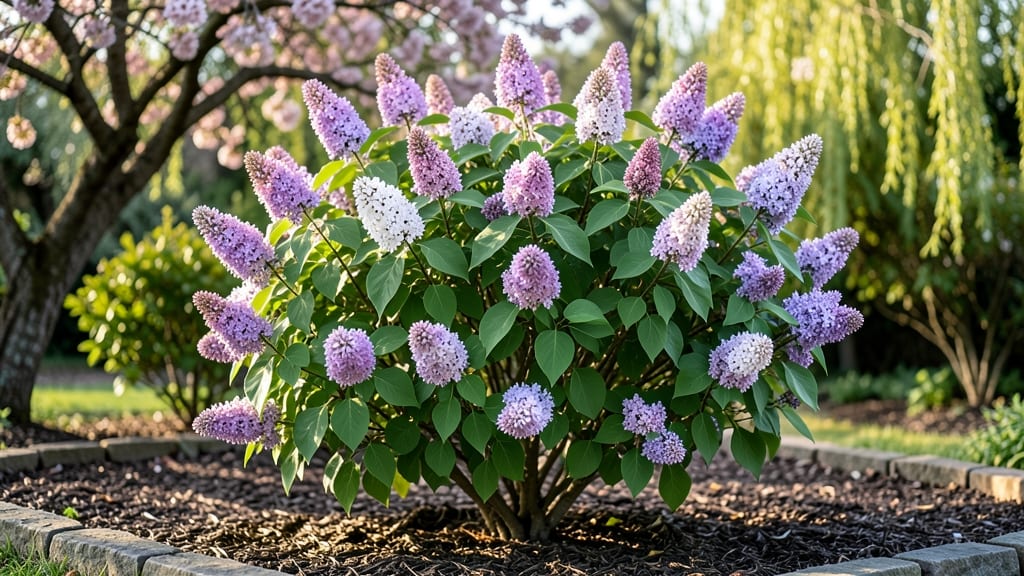
Lilacs don't bloom every year under all conditions: mature plants usually flower annually, but young trees, environmental stress, or extreme winters can cause them to skip blooming. Consistent care helps maintain their flowering reliability.
Lilacs are famous for their fragrant spring blooms, but their flowering isn't guaranteed annually.
Young lilacs (under 3 years old) often skip blooming as they focus on root and foliage growth. 🌸 Even mature plants may skip a year if they experience drought, nutrient deficiencies, or temperatures below -20°F during dormancy. The good news?
With proper pruning, balanced fertilization, and winter protection, you can dramatically increase the chances of those signature purple blooms returning year after year.
What's interesting is how lilacs "bud" for next year's flowers during the current growing season. This means summer care—like watering and mulching—directly impacts whether you'll see blooms the following spring.
I've found that varieties like 'Katherine Havemeyer' are particularly resilient, while others may need extra attention to meet their specific needs.
💡 In This Article
- Lilac Flowering Cycles: Why Some Years Skip Blooms
- How to Encourage Reliable Lilac Blooms Year After Year
Lilac flowering cycles: why some years skip blooms
Lilacs follow a precise biological rhythm where blooming depends on two critical phases: vegetative growth and flower bud formation. Young lilacs (under 3 years old) prioritize root and stem development, often delaying flowers until they've established a strong foundation.
This is nature's way of ensuring survival—just like how a human child grows taller before puberty. 🌱 The flowering cycle begins in late summer when the plant sets next year's buds, but these buds require 60-90 days of chilling temperatures (32-45°F) to mature properly.
The temperature sensitivity explains why lilacs might skip blooms after harsh winters. If winter temperatures drop below -20°F for extended periods, the delicate flower buds can freeze and fail to open. Even milder winters can disrupt blooming if there's insufficient chill time—some varieties need 800-1,200 hours below 45°F annually.
This is why lilacs in warmer climates (like zones 7-8) may bloom less reliably than those in colder regions. The plant's internal clock, called vernalization, triggers flowering only after these chilling requirements are met.
Nutrient availability plays a surprising role too. Lilacs are heavy feeders that require balanced nutrients—especially phosphorus and potassium—to produce abundant blooms. A deficiency in these elements can cause the plant to redirect energy toward leaf growth instead of flowers.
I've noticed that lilacs growing in poor soil (like sandy or clay-heavy types) often produce fewer blooms unless amended with compost or organic matter. The roots must absorb enough nutrients to support both the current year's foliage and next year's flower buds.
Another factor is the plant's age-related decline. After 15-20 years, lilacs naturally produce fewer blooms as their energy shifts toward maintenance. This is why many gardeners replace older lilacs with new varieties every few decades.
The decline isn't sudden—it's a gradual process where blooms become sparser and stems produce fewer flower clusters. Some gardeners combat this by pruning out older wood to encourage new growth, but even this has limits.
Water stress also impacts blooming consistency. Lilacs need 1-1.5 inches of water weekly during their active growing season (spring through early fall). Drought conditions cause the plant to conserve water by reducing flower production—a survival mechanism similar to how cacti store water in dry climates.
Even temporary water shortages can signal the plant to skip blooming the following year. Mulching helps retain moisture and regulate soil temperature, which is why a 3-inch layer of organic mulch around the base improves blooming reliability.
Finally, disease and pest pressure can disrupt flowering cycles. Common lilac pests like lilac borers or aphids weaken the plant, diverting energy away from flower production. Fungal diseases like powdery mildew (which thrives in humid conditions) can also stress the plant to the point where it skips blooming.
Healthy lilacs with strong immune systems are far more likely to bloom consistently than those battling pests or diseases.