
Blooming
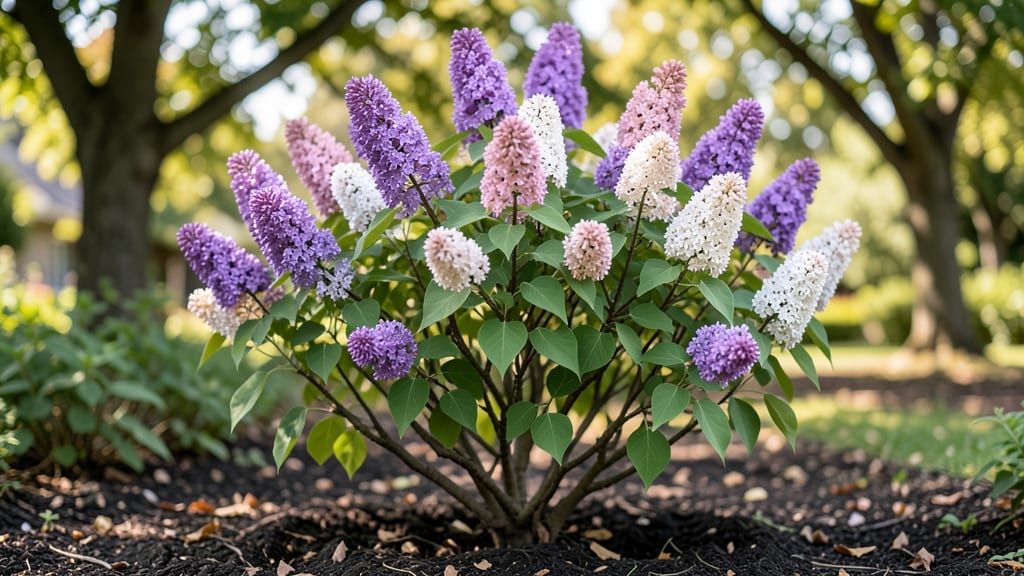
Yes, lilacs bloom on old wood, which means their flowers develop on previous season's growth rather than fresh new shoots. Pruning right after blooming helps produce stronger flowers next year by redirecting the plant's energy. Only cut back old wood if you're rejuvenating a severely overgrown shrub.
This unique growth habit explains why lilacs can look bare for months after flowering—they're storing energy in their woody stems for next year's blooms. 🌸 The flower buds actually form in late summer or fall, so pruning at the wrong time can remove these potential blooms before they even appear.
I've seen gardeners accidentally prune away years of flower production by cutting too aggressively in spring.
Understanding this growth pattern helps you time your pruning perfectly. The key is to wait until after the lilacs finish blooming—usually in late spring or early summer—before making any cuts. This timing ensures you don't accidentally remove next year's flower buds while still maintaining the shrub's shape.
💡 In This Article
- Why Lilacs Rely on Old Wood for Flowering
- Best Pruning Practices for Lilac Blooms
Why lilacs rely on old wood for flowering
Lilacs are unique because their flower buds develop on the previous season's woody stems rather than fresh growth. This process begins in late summer or early fall when the plant starts forming flower buds on the mature wood from the current year.
These buds remain dormant through winter and spring, only opening when temperatures rise in late spring—typically between April and May depending on your climate zone.
The buds form in clusters along the stems, with each cluster capable of producing dozens of individual flowers. The woody stems act as energy reservoirs, storing nutrients that fuel both the plant's growth and the development of these flower buds.
When you prune lilacs at the wrong time—like in early spring—you risk removing these dormant buds before they've had a chance to bloom, which can result in significantly fewer flowers the following year.
Here's what's happening botanically: The lilac's growth pattern is called "spring flowering," meaning it relies on the previous year's wood to produce flowers. Unlike some plants that flower on new growth, lilacs have evolved to prioritize energy storage in their woody stems.
This adaptation allows them to produce abundant blooms even in cooler climates where growing seasons are shorter. 🌿 The trade-off is that lilacs can appear dormant for much of the year, only showing their vibrant flowers for a few weeks annually.
When you see a lilac shrub with bare stems after flowering, those stems are actually critical for next year's blooms. The plant is conserving energy in the wood, preparing to form new flower buds later in the season.
This is why aggressive pruning—cutting back more than one-third of the plant—can reduce flowering for 1-2 seasons as the plant redirects its energy to regenerate new growth.
Consider this comparison: A well-maintained lilac shrub with its old wood intact can produce hundreds of flowers in a single bloom cycle, while a recently pruned shrub might produce only a fraction of that. The old wood isn't just structural support—it's the plant's flower factory.
This is why professional gardeners often say lilacs "bloom on old wood" as a reminder to preserve those stems unless you're intentionally rejuvenating the plant.
One common misconception is that lilacs need to be pruned heavily every year. In reality, most mature lilacs only need light pruning every 2-3 years to maintain shape and remove dead or crossing branches. The key is to work with the plant's natural growth cycle rather than against it.