
Blooming
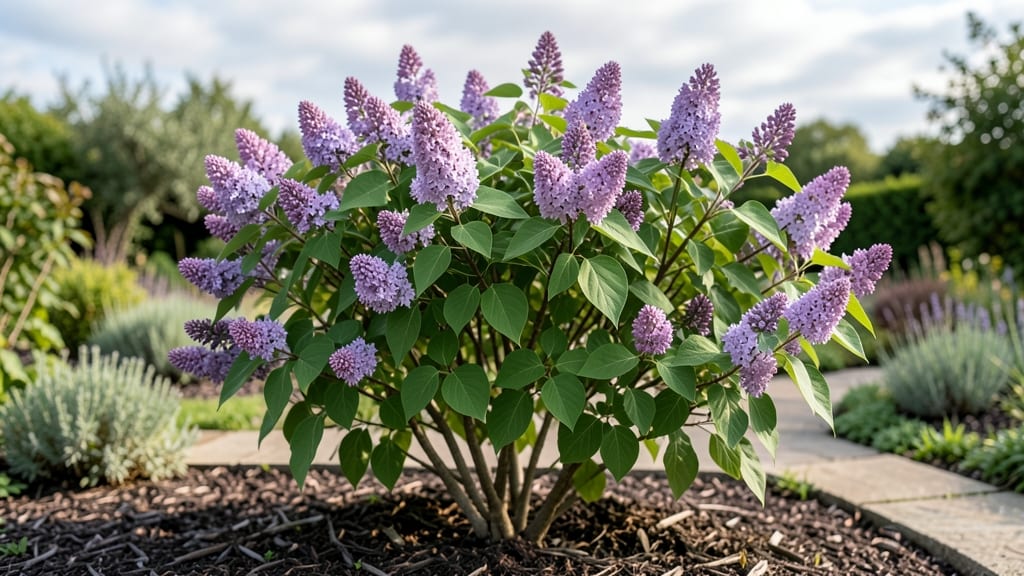
Lilacs don't bloom all summer—most varieties flower for just 1-2 weeks in spring, with late-blooming types like 'Miss Canada' extending into early summer. Proper care can enhance bloom quality and duration but won't fundamentally change their seasonal timing.
Lilacs are spring's fleeting stars, designed by nature to burst into bloom for a brief, spectacular show. 🌸 The timing of their flowers is genetically programmed—most varieties follow a strict 1-2 week window in late spring, triggered by specific temperature shifts after winter dormancy.
Even with ideal growing conditions, you won't coax them into summer flowering because their biological clock is set for this seasonal rhythm.
What you can influence is the health and vibrancy of that bloom period. Think of lilacs like athletes—proper training (pruning, soil prep) makes their performance stronger, but it won't extend their competition season.
For example, pruning right after blooming removes spent flowers while preserving next year's buds, while well-draining soil prevents stress that could shorten their display.
💡 In This Article
- Lilac Blooming Seasons by Variety
- Extending Lilac Blooms with Pruning and Care
Lilac blooming seasons by variety
Lilacs follow a strict biological rhythm tied to temperature cues that trigger bud formation. Most varieties need chilling hours (typically 800-1,200 hours below 45°F) during winter dormancy to break dormancy, followed by 10-14 days of warm weather (60-70°F) to stimulate flowering.
This explains why their bloom periods are so predictable—nature's internal clock resets annually. For instance, early bloomers like 'Katherine Havemeyer' typically flower in late April to early May, while late varieties such as 'Miss Canada' may linger until mid-May to early June, but rarely beyond.
The duration of blooming depends on both genetics and environmental factors. Early bloomers often have shorter bloom cycles (7-10 days) because their buds form earlier in the season when temperatures are cooler, while late bloomers may stretch to 2-3 weeks due to warmer spring conditions.
However, extreme heat or drought can shorten this window—buds may drop prematurely if temperatures exceed 85°F during flowering. The 'Dwarf Korean' variety, for example, thrives in cooler climates and may bloom 1-2 weeks later than its full-sized counterparts, but its total bloom duration remains limited by the same biological constraints.
Climate plays a surprising role in bloom timing. Regions with rapid temperature shifts (like the Midwest) often see lilacs bloom earlier than coastal areas with gradual warming. This is because lilacs require a 10-15°F temperature drop after bud formation to "lock in" their blooming schedule.
In warmer climates, lilacs may produce smaller, less abundant flowers or bloom sporadically because they struggle to meet these chilling requirements. For gardeners in zones 7-9, this often means lilacs may bloom 2-3 weeks later than in colder regions, but the total bloom duration remains consistent.
What most gardeners don't realize is that lilacs are short-day plants, meaning their flowering is triggered by decreasing daylight hours in late winter/early spring. This explains why you'll never see lilacs bloom in summer—they've already completed their annual reproductive cycle.
Even with perfect care, their genetic programming prevents summer flowering. However, some modern hybrids like 'Bloomerang' have been bred to produce secondary blooms in late summer (though these are typically smaller and less fragrant), proving that while nature sets the baseline, selective breeding can nudge the timeline slightly.
Consider these key factors when choosing lilac varieties for your garden:
- Early bloomers: 'Neglect' (April-May) thrives in cold climates but may struggle in heat
- Mid-season: 'Syringa vulgaris' (May) offers classic fragrance with reliable timing
- Late bloomers: 'Miss Canada' (May-June) extends the season but needs consistent moisture
- Reblooming hybrids: 'Bloomerang' produces secondary blooms but requires heavy pruning
The takeaway? While you can't extend lilacs into summer, selecting the right variety for your climate and providing optimal growing conditions will maximize their already stunning display. The secret lies in understanding their temperature-dependent triggers rather than fighting their natural cycle. 🌸