
Blooming
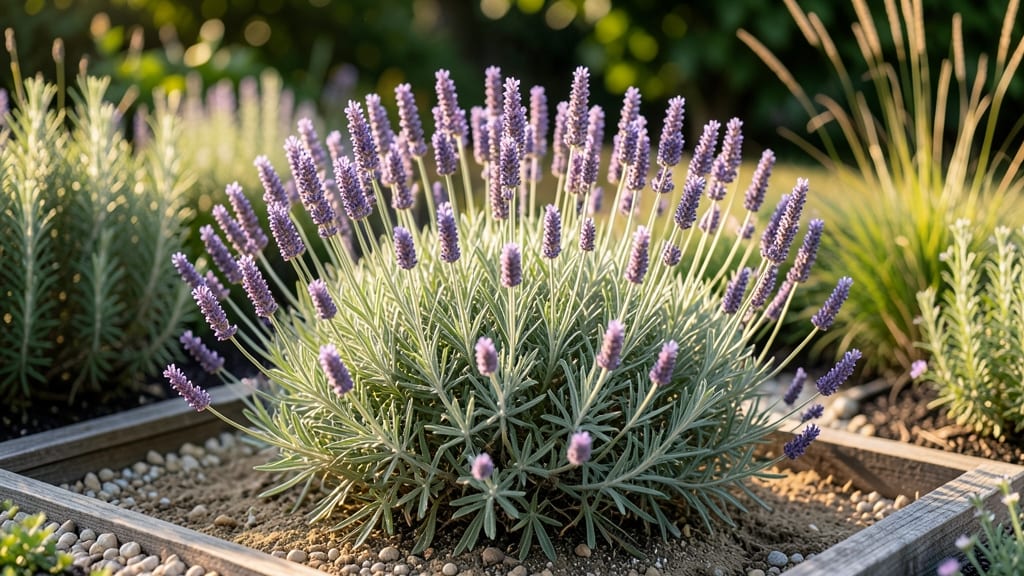
Summer’s purple spikes of fragrance are the secret weapon of heat-loving gardens. 🌿 I’ve spent years chasing plants that thrive when temperatures soar—because nothing says "summer" like a border bursting with lavender, salvia, and cleome that keep blooming long after most flowers fade.
These aren’t just pretty faces; they’re tough, drought-resistant, and packed with pollinators. The key? Matching plants to your USDA zone and watering deeply but infrequently.
My lavender in Zone 7 still blooms in August with just one inch of water per week, while zinnias in Zone 9 need consistent moisture to keep their petals popping. Both handle the heat better than roses or hydrangeas ever could.
By late July, your garden can look like this: salvia’s velvety purple spikes, cleome’s airy pink plumes, and zinnias’ rainbow of faces—all while keeping bees and butterflies buzzing. The best part? Many of these plants self-seed, so next year’s garden almost plans itself.
For those who want summer to last, deadhead spent blooms and feed the soil with compost. That extra boost keeps lavender blooming until frost and zinnias producing cut flowers all the way into October.
Nature’s Summer Bloom Trigger
Summer isn’t just a season—it’s a biological cue that sets off a symphony of colors and fragrances in your garden. But why do certain plants choose this fiery, sun-drenched time to burst into bloom?
The answer lies in a mix of evolutionary strategies, environmental signals, and plant physiology. Let’s break down the science behind summer’s floral explosion.
Many summer-blooming plants thrive in warmth because higher temperatures accelerate their metabolic processes. Here’s how it works:
- Photosynthesis boost: Warmer days mean more sunlight absorption, giving plants the energy to produce flowers. Think of it like a plant-powered solar panel—more heat = more fuel for blooms.
- Faster nutrient uptake: Heat increases soil microbial activity, releasing nutrients like nitrogen and phosphorus that plants crave for flower development. 🌱
- Pollinator magnet: Bees, butterflies, and hummingbirds are most active in summer. Plants that bloom then get a competitive edge by offering nectar and pollen when pollinators are hungry.
Pro tip: If your summer-bloomers seem sluggish, check soil moisture—heat can dry out roots faster. Mulch helps retain moisture and cool the soil.
Some plants are day-length sensitive, meaning they respond to the lengthening days of summer. Here’s the science:
- Florigen hormone: As daylight stretches beyond 14–16 hours, plants produce florigen, a chemical signal that triggers flowering. This is why many summer bloomers (like zinnias or sunflowers) wait until June or July to show off.
- Short-day vs. long-day plants: While some plants bloom in shorter days (like fall crocuses), summer favorites are often long-day species. They’ve evolved to sync with peak pollinator activity.
Actionable insight: If you’re growing summer bloomers indoors, supplement with grow lights (14+ hours of light) to mimic natural conditions.
Believe it or not, drought-like conditions can trigger flowering in some plants. This might sound counterintuitive, but it’s a survival tactic:
- Stress-induced blooming: Plants like lavender or Russian sage produce flowers when water is scarce, ensuring they reproduce before resources run out. 💦
- Root depth matters: Deep-rooted plants (e.g., coneflowers) access moisture from lower soil layers, giving them the stamina to bloom even in dry heat.
- Avoid overwatering: Some summer bloomers (like succulents or agave) thrive with minimal water. Overhydration can delay flowering.
Summer bloomers have outcompeted others through millennia of adaptation. Key advantages include:
| Trait | Why It Works |
|---|---|
| Bright colors (e.g., purple salvia) | Attracts pollinators from a distance, even in crowded gardens. |
| Strong fragrances (e.g., night-blooming jasmine) | Lures moths and bats, which are active at dusk when daytime pollinators rest. |
| Long bloom cycles (e.g., black-eyed Susans) | Provides sustained food for pollinators over weeks, not just days. |
Fun fact: Some summer flowers (like milkweed) time their blooms to coincide with monarch butterfly migrations, ensuring cross-pollination over vast distances.
Plants in hot climates (e.g., deserts or Mediterranean regions) have evolved to bloom in summer to:
- Beat the heat: Flowers open early in the morning or late afternoon to avoid wilting in midday sun.
- Conserve water: Many have thick, waxy leaves (like yucca) to reduce evaporation while still producing vibrant blooms.
- Sync with monsoons: In regions with seasonal rains (e.g., Southwest U.S.), plants like penstemon bloom after summer storms to take advantage of sudden moisture.
Garden hack: If you live in a cooler climate, choose heat-tolerant varieties (e.g., Lavandula ‘Grosso’) or extend the season with row covers.
Revitalize Your Summer Garden Now
Summer’s scorching heat can turn your dreamy blooming garden into a wilting disappointment—but don’t let it! With the right fixes, you can coax vibrant, fragrant summer flowers like cleome, salvia, or lantana back to life.
Below are targeted solutions to common summer-bloom struggles, complete with prevention tips to keep your garden thriving.
Too much or too little water stresses plants, stunting blooms or causing them to wilt. Summer’s intense heat demands balance.
#### 🔥 Cause: Overwatering - Symptoms: Yellowing leaves, moldy soil, or plants that feel soggy. - Solution: - Let the top 1–2 inches of soil dry out between waterings. - Use a moisture meter or the "finger test" (stick your finger in the soil—if it’s damp, wait). - Improve drainage by adding perlite or sand to heavy soil. - 💡 Prevention Tip: Water deeply but infrequently—early morning is best to reduce evaporation. #### 🍳 Cause: Underwatering - Symptoms: Crispy leaf edges, drooping stems, or flowers that close midday. - Solution: - Water at the base (not overhead) to avoid fungal issues. - Mulch with straw or wood chips to retain moisture. - Group thirsty plants (like hibiscus) together for efficient watering. - 🌡️ Prevention Tip: Drip irrigation or soaker hoses deliver water slowly and directly to roots.Intense sunlight can scorch leaves, leaving plants struggling to bloom. Even shade-loving varieties need protection.
#### 🔪 Cause: Sunburned Leaves - Symptoms: White or brown patches on foliage, curled leaves. - Solution: - Provide afternoon shade with sheer curtains or lattice screens. - Move potted plants to slightly shadier spots during peak heat (12–4 PM). - Prune excess foliage to improve airflow and reduce stress. - ✨ Prevention Tip: Choose heat-tolerant varieties like zinnia or portulaca for full-sun spots. #### ⏰ Cause: Sudden Heat Waves - Symptoms: Flowers dropping prematurely or stems turning limp. - Solution: - Mist leaves lightly in the early morning (avoid evening to prevent fungus). - Apply a layer of mulch to insulate roots. - Use shade cloth (30–50%) for delicate bloomers like petunias. - 🎯 Prevention Tip: Harden off new plants gradually to build heat tolerance.Nutrient-poor soil or compacted dirt can starve plants, leading to sparse or weak blooms.
#### 📊 Cause: Compacted or Nutrient-Depleted Soil - Symptoms: Stunted growth, pale leaves, or flowers that fail to open. - Solution: - Test your soil (DIY kits are affordable) and amend with compost or aged manure. - For quick fixes, use a balanced fertilizer (10-10-10) every 4–6 weeks. - Top-dress with worm castings for a gentle nutrient boost. - 💪 Prevention Tip: Add organic matter (like leaf mold or coconut coir) to soil in early spring. #### 🍎 Cause: Over-Fertilizing - Symptoms: Leafy growth but no flowers, or burned foliage. - Solution: - Flush the soil with water to remove excess salts. - Switch to a low-nitrogen, high-phosphorus fertilizer (like 5-10-10) to encourage blooms. - Avoid fertilizing during extreme heat—roots can’t absorb nutrients efficiently. - 🔥 Prevention Tip: Follow package instructions and fertilize in the early morning or evening.Summer pests (aphids, spider mites) and fungal diseases (powdery mildew) can sabotage blooms.
#### 👨🍳 Cause: Pests (Aphids, Whiteflies) - Symptoms: Sticky residue (honeydew), curled leaves, or chewed petals. - Solution: - Blast pests off with a strong spray of water. - Use neem oil or insecticidal soap (follow label rates). - Introduce beneficial insects like ladybugs or lacewings. - 🌡️ Prevention Tip: Encourage pollinators with native plants—they help control pests naturally. #### 🥘 Cause: Fungal Diseases (Powdery Mildew) - Symptoms: White powdery coating on leaves, stunted growth. - Solution: - Remove infected leaves immediately and dispose of them. - Apply baking soda spray (1 tsp baking soda + 1 quart water + a drop of soap) weekly. - Space plants for better airflow to reduce humidity. - ✨ Prevention Tip: Water at the base and avoid overhead sprinklers.With these fixes, your summer garden can bounce back stronger than ever. Start with one or two adjustments, monitor progress, and soon you’ll be enjoying fragrant purple spikes and lush blooms—heat be damned! 🌸🔥
Frequently asked questions
Which summer-blooming plants attract the most pollinators?
Look for zinnias, coneflowers, and lavender—they’re pollinator magnets! These plants produce abundant nectar and pollen, drawing bees, butterflies, and hummingbirds. For extra buzz, add milkweed (monarch butterfly host) and salvia (hummingbird favorite). Plant them in clusters for maximum impact.
Can I grow summer flowers in containers?
Choose compact varieties like petunias, geraniums, or portulaca for containers. Use well-draining potting mix and ensure pots have drainage holes. Water containers daily in extreme heat, and fertilize every 2 weeks with a balanced liquid fertilizer. Terracotta pots help regulate soil temperature better than plastic.
How do I extend summer blooms into fall?
Deadhead spent blooms regularly to encourage new flowers, and feed plants with a low-nitrogen, high-phosphorus fertilizer every 4 weeks. Mulch heavily to retain moisture, and protect tender plants from early frosts with row covers. Choose late-blooming varieties like cosmos, asters, or mums for extended color.
What’s the easiest summer flower for beginners?
Zinnias and marigolds are foolproof! They thrive in full sun, tolerate poor soil, and resist pests. Zinnias bloom nonstop from summer to frost with minimal care, while marigolds deter pests naturally. Both self-seed easily, so you’ll have free plants next year. Start seeds indoors 4-6 weeks before last frost.
Why do some summer flowers wilt so quickly?
Many summer bloomers (like petunias or impatiens) wilt in heat because they’re not drought-tolerant. Overwatering or poor airflow can also cause wilting. Choose heat-resistant varieties like lantana or verbena, and water deeply at the base in the morning. Mulch helps retain moisture and keeps roots cool.